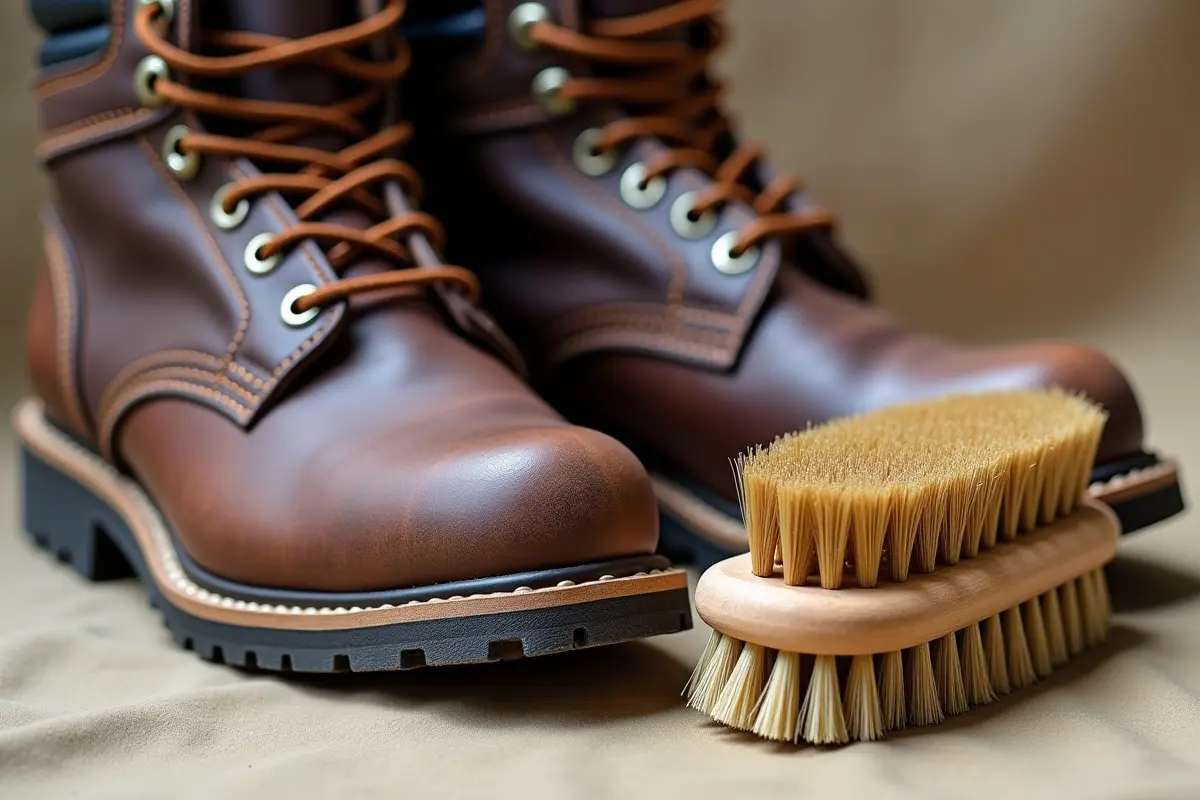
Safety boots are a vital component of personal protective equipment, shielding feet from workplace hazards such as heavy objects, punctures, and slippery surfaces. However, without proper upkeep, even the best boots can quickly deteriorate, diminishing their protective and comfort features. For workers in environments like construction sites and factories, proper maintenance makes a significant difference in everyday safety.
In a bustling city like Toronto, finding quality safety footwear is crucial, especially as harsh Canadian seasons put boots to the test. If you’re looking for reliable safety boots Toronto, it’s just as important to learn how to care for them, so you get the most value for your investment.
This guide explores practical, actionable tips for keeping safety boots in pristine condition, whether you work indoors or face outdoor elements daily. Regular attention not only extends their life and maintains structural integrity but also ensures you remain compliant with safety requirements. Effective maintenance routines can also prevent many common problems, like sole separation, premature wear, or loss of water resistance.
1. Clean Your Boots Regularly
At the end of each workday, take the time to remove dirt, mud, and other debris from your safety boots. Use a soft brush or a damp cloth to gently wipe the surface, helping preserve the material and preventing small particles from causing abrasion or breakdown over time. For stubborn spots, apply a mild soap solution with a sponge, but avoid immersing your boots in water, as this can weaken seams or damage leather.
2. Dry Thoroughly After Use
Moisture is one of the biggest threats to safety boots, leading to unpleasant odors, mold growth, or material degradation. Allow your boots to air-dry after exposure to water or sweat by placing them in a shaded, well-ventilated area. Always keep them away from direct heat sources, such as radiators, space heaters, or strong sunlight, which can dry out and crack leather. Remove insoles and laces to promote faster and more complete drying inside and out.
3. Apply Protective Treatments
The proper treatment will depend on the material of your boot. For leather safety boots, use a specialized leather conditioner to replenish lost oils and maintain flexibility, helping prevent cracks and stiffness. Waterproofing sprays or wax can provide an additional barrier against water and chemicals.
Reapplying these treatments every few weeks—especially after exposure to harsh conditions—helps your boots maintain their protective qualities. For composite or synthetic boots, consult the manufacturer’s recommendations for compatible products.
4. Rotate Between Pairs
If your workload and budget allow, alternate between at least two pairs of safety boots. Rotating wear enables each pair ample time to dry, reducing the buildup of moisture that can degrade materials and cause odor. This rotation practice not only extends the lifespan of each pair but also ensures you always have a reliable backup, minimizing downtime and risk.
5. Store Properly
Proper storage, especially during off-seasons or after long work shifts, is key to prolonged boot life. Keep boots in a cool, dry place away from sunlight and extreme temperatures. Using a shoe tree or stuffing the boots with newspaper can help them retain their shape and prevent creasing. Avoid storing boots in airtight plastic bags, as a lack of airflow encourages mold growth. If possible, let boots air out thoroughly before storing them away.
6. Inspect Regularly
Set a schedule to inspect your safety boots for damage or wear. Look out for signs such as thinning soles, cracking leather, loose or broken stitching, and compromised toe caps. Early detection of these issues allows for timely repairs.
For those subject to workplace safety checks, regular inspections ensure ongoing compliance and minimize the risk of boot failure at critical moments. The Canadian Centre for Occupational Health and Safety (CCOHS) emphasizes routine inspection as a key aspect of workplace safety.
7. Use Appropriate Socks
Moisture-wicking socks are an often-overlooked factor in safety boot longevity. These socks help manage sweat, keeping your feet drier and reducing the risk of blisters and fungal growth in your boots. They also protect the lining from excessive moisture, helping maintain the boot’s internal structure and comfort during long shifts on your feet.
8. Avoid Misuse
Never use your safety boots as a substitute for tools or wear them in hazardous environments not suited for their design. Using boots outside of their intended purpose—such as for hiking, household chores, or handling chemicals they weren’t rated for—can cause premature wear or even sudden failure of protective features. Stick to intended uses, and if you regularly switch work environments, choose specialized boots for each environment to maximize lifespan and safety.
Conclusion
With a few mindful habits, you can dramatically increase the usefulness and comfort of your safety boots. Clean and dry them regularly, store them correctly, use recommended treatments, and never underestimate the power of simple inspections. By caring for your boots as diligently as you care for your own safety, you’ll always be ready for the most challenging tasks—and your investment in quality safety footwear will go even further.