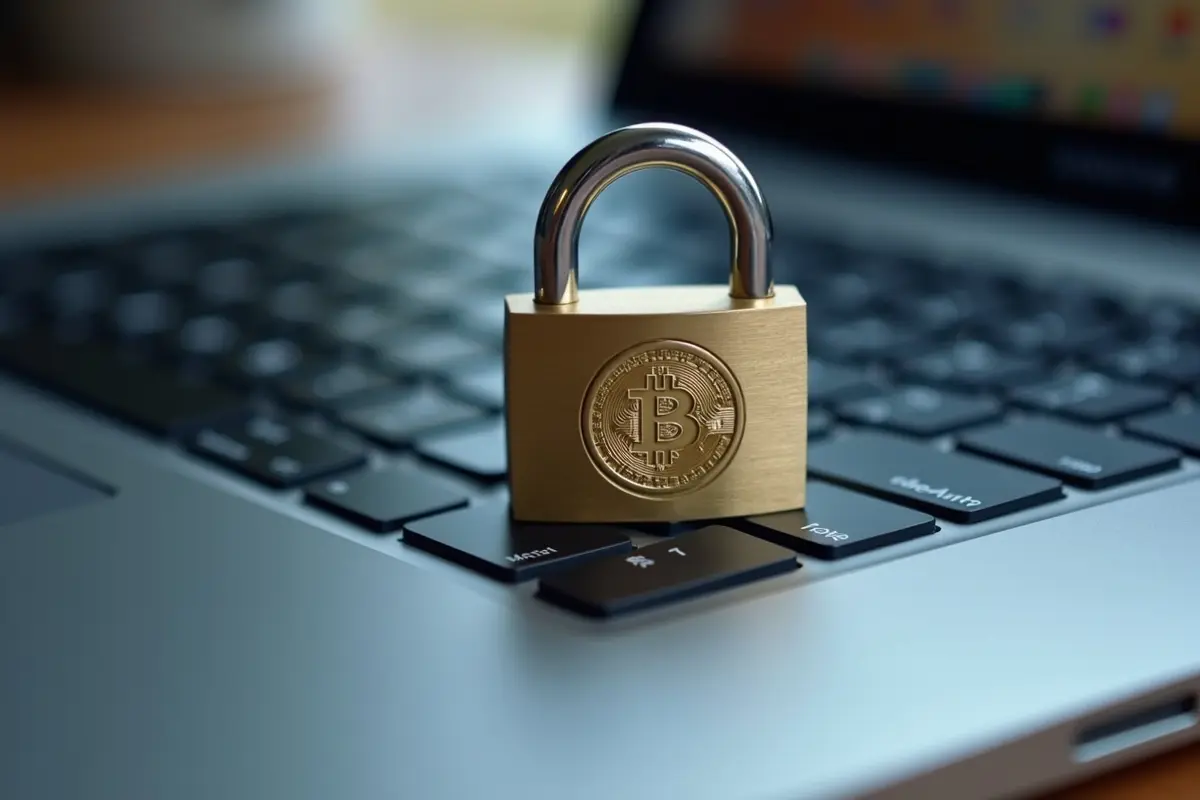
Securities fraud is an ever-evolving threat in the investment landscape, impacting market integrity and investors’ hard-earned savings. From artificial stock inflation to deceptive AI claims, fraudsters employ a range of tactics to manipulate markets and exploit unsuspecting participants.
It is critical for investors and market observers to stay informed about the different forms of securities fraud so they can better guard against potential financial harm. Consulting a FL securities fraud attorney can offer specialized guidance if you suspect fraudulent activities in your investments.
As new financial instruments and technologies emerge, the complexity of fraudulent schemes also increases. Whether you’re investing in stocks, bonds, or cryptocurrencies, recognizing common red flags and understanding regulatory trends can minimize your risk of becoming a victim.
Securities fraud isn’t just a concern for institutional investors. Individuals allocating their retirement savings or managing family wealth are also commonly targeted, underscoring the importance of broad-based investor education. Staying vigilant and up to date with the latest guidance from trusted sources like the U.S. Securities and Exchange Commission (SEC) can make a significant difference in protecting your assets.
The regulatory environment is evolving, with authorities in both the United States and abroad ramping up efforts to prevent, detect, and punish securities fraud. This ongoing vigilance helps keep the markets fair and trustworthy for all participants.
Pump and Dump Schemes
This classic form of securities fraud involves artificially boosting the price of a stock through misleading, exaggerated, or entirely false statements. Once the price is sufficiently inflated, perpetrators sell their holdings, triggering a sharp drop that leaves unwitting investors with significant losses.
Microcap stocks are frequent targets due to their low liquidity and relative obscurity, making them easier to manipulate for quick profit. Authorities continue to spotlight this scam, and recent crackdowns have highlighted its enduring prevalence. Reliable financial news sites, such as The Wall Street Journal, regularly report on notable cases and trends.
Short and Distort Tactics
Short-and-distort tactics represent the inverse of a pump-and-dump. Fraudsters first take a short position on a stock, betting that its price will fall. They then disseminate negative rumors, misleading reports, or fabricated news to erode confidence in the company. This pressure can send shares spiraling downward, allowing the perpetrators to cover their shorts at a profit.
Such manipulative activity can do lasting damage not only to investor portfolios but also to corporate reputations and job security. Regulators and reputable market observers have increasingly warned about these tactics in recent years.
Insider Trading
Insider trading occurs when individuals with privileged, non-public information about a company execute securities transactions based on that knowledge. This might include executives, employees, or associates gaining early insight about earnings, impending mergers, or regulatory developments.
By trading on information unavailable to the public, insiders gain an unfair advantage and erode confidence in market fairness. High-profile cases have driven home the importance of whistleblowers and robust internal compliance teams to limit this threat.
Yield Burning
Yield burning is a common practice in municipal bond markets. In this scheme, underwriters sell bonds to government issuers at prices that are artificially high—eroding the yield and depriving the government of deserved revenue. Public scrutiny and media investigations in the 1990s led to landmark settlements and significant regulatory reforms, but vigilance remains essential as municipal bond markets continue to evolve.
Cryptocurrency Fraud
The explosive growth of digital currencies has ushered in a wave of innovative fraud methods. Several types are now notorious:
- Pump-and-Dump Schemes: Here, groups hype up a coin’s value and sell after it surges, draining value from latecomers.
- Rug Pulls: Developers suddenly abandon a blockchain project and vanish with investors’ money, leaving digital wallets empty.
- Phishing Scams: Criminals send convincing messages or build fake sites to steal private keys, granting them full access to crypto holdings.
As news coverage by outlets like Reuters makes clear, new variants on these scams are emerging with each burst of technological innovation.
AI Washing
The buzz around artificial intelligence has made “AI washing” a rising concern. Companies eager to attract investment may overstate their AI capabilities or make misleading claims about the impact of their technology.
When the truth comes out—often through whistleblowers or regulatory scrutiny—share prices can collapse, leaving investors exposed. The growth in lawsuits alleging AI washing underlines the need for robust due diligence and clear disclosures in company reporting.
Regulatory Measures
Governments and agencies worldwide are dedicating more resources to detecting and punishing securities fraud. In China, the national securities regulator has announced aggressive moves against market manipulators and their allies.
The U.S. has also stepped up prosecutions and implemented new rules targeting evolving threats, aiming to rebuild public confidence while keeping pace with rapid market innovation. International cooperation and information-sharing remain key to counteracting schemes that cross borders and asset classes.
Protecting Yourself
Investors should take several practical steps to defend themselves against fraud:
- Research investments thoroughly, relying on multiple, independent sources.
- Be skeptical of unsolicited offers, especially those that tout “guaranteed returns” or “little risk.”
- Check the credentials and regulatory registrations of advisors and financial firms on government platforms such as FINRA’s BrokerCheck.
- Follow news about emerging scams and review regulatory updates to spot early warning signs.
By understanding how different types of securities fraud operate and by taking active steps to stay informed, individual and institutional investors alike play a vital role in maintaining resilient, transparent markets.
Conclusion
Securities fraud continues to adapt alongside financial innovation, making awareness and vigilance essential for every investor. By understanding common schemes—from pump-and-dump tactics and insider trading to cryptocurrency fraud and AI washing—you are better equipped to recognize warning signs before serious losses occur.
Staying informed through trusted regulatory sources, conducting thorough due diligence, and maintaining healthy skepticism toward high-pressure or “guaranteed” investment opportunities can significantly reduce risk.
When concerns arise, seeking guidance from a qualified FL securities fraud attorney can provide clarity, protect your rights, and help you take timely action. Ultimately, informed investors are the strongest defense against fraud and play a crucial role in preserving fairness and confidence in the financial markets.