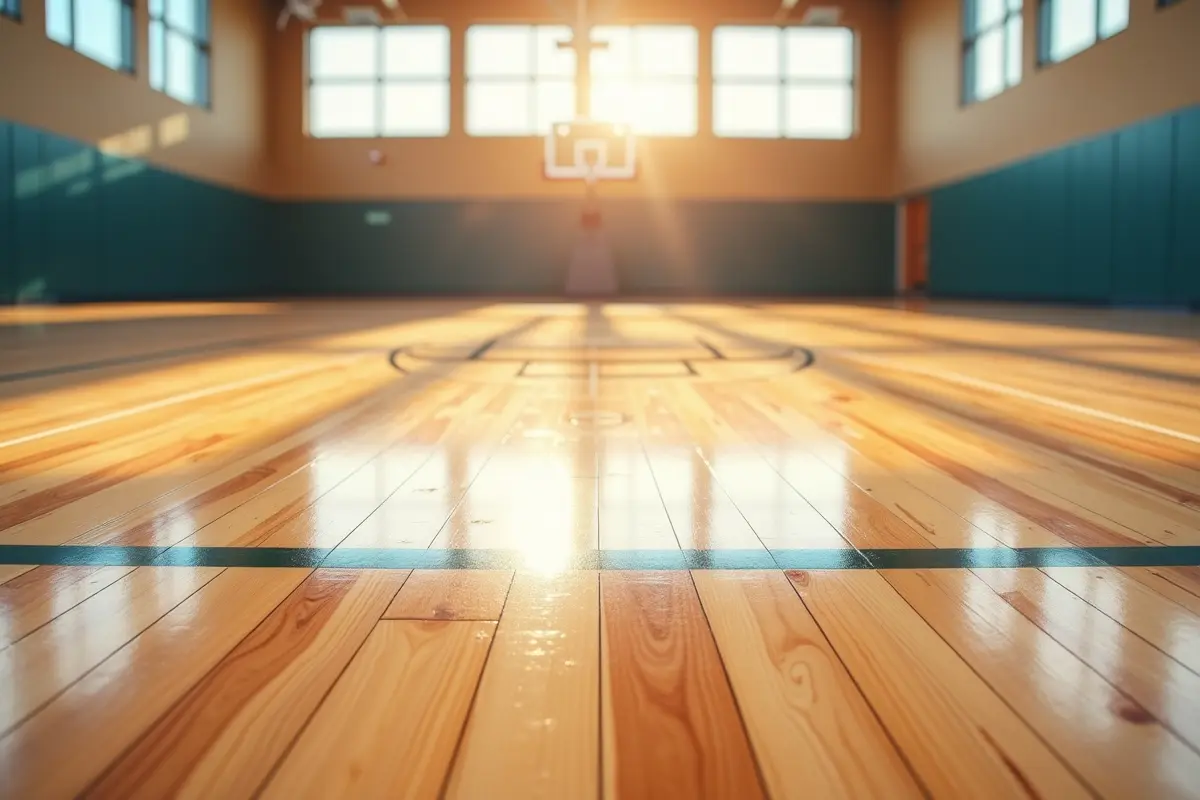
The foundation of a great gym begins with understanding the precise needs of both basketball and volleyball. Each sport demands specific design considerations to ensure safety and optimize athletic performance. Basketball courts, for example, are defined by strict regulations governing dimensions, free-throw lines, and three-point arcs set by organizations such as FIBA and the NCAA.
On the other hand, volleyball courts require designated installation points for floor sleeves and nets, as well as distinct markings and spatial arrangements. These details shape the overall planning process and dictate the functional blueprint of the space.
When planning your facility, it’s essential to work with experienced gym floor construction experts. They can identify the subtle differences needed for each sports surface, recommend appropriate products, and ensure compliance with industry standards.
Choosing the Right Flooring Materials
The choice of gym flooring significantly affects both athletic performance and long-term court durability. For basketball and volleyball, maple hardwood remains the gold standard due to its excellent shock absorption, strong energy return, and ability to withstand heavy, repetitive use.
In fact, professional leagues like the NBA rely on hard maple surfaces, a point highlighted by The Guardian, which explains why this material remains the preferred choice for elite-level play. Maple not only helps reduce impact-related injuries but also features a tight, consistent grain pattern that supports reliable traction and fast, controlled movement.
That said, synthetic flooring options such as rubber or vinyl have gained popularity, particularly in multi-use facilities or budget-conscious venues. These materials offer solid durability, easier maintenance, and versatility for non-sporting events, although they may not fully match the ball response or energy return of traditional hardwood. Beyond playability, thoughtfully selected flooring also influences acoustics, overall energy efficiency, and long-term maintenance costs, making material choice a key consideration for any gym or sports facility.
Incorporating Safety Features
Safety is non-negotiable in the design of gymnasium flooring. Essential safety features include adequate vertical deformation (the floor’s ability to flex under impact), which helps minimize injuries from falls and repetitive stress.
Slip resistance is equally crucial; finishes must be engineered to provide secure footing but avoid excessive stickiness that could impede movement or increase the risk of ankle sprains. Regular testing and evaluation of friction, shock absorption, and uniformity help facilities maintain a safe environment for all athletes.
Designing for Multi-Sport Use
Many gyms host activities beyond basketball and volleyball, including pickleball and physical education classes. Multi-sport use influences the design in several ways: lines for various sports should be clearly marked and color-coded to avoid confusion, and net systems should be easy to set up and take down. Movable hoops, divider curtains, and flexible seating can further maximize the gym’s versatility.
Maintenance and Longevity
Sustainable use of your gym floor is directly linked to a robust maintenance protocol. Daily dust mopping, timely repair of scuffs and scratches, and annual recoating or refinishing all play vital roles in preserving both appearance and performance.
Preventive maintenance helps safeguard line markings and logos from wear, while also ensuring surface grip and safety standards remain consistent. Neglecting these practices can dramatically shorten the lifespan of your investment and increase costs down the road.
Customization and Aesthetics
Customization transforms a functional athletic space into a source of pride for teams and school communities. Incorporating school logos, vibrant color palettes, and unique center court designs can energize fans and reinforce your institution’s identity.
Thanks to digital stenciling and new paint technologies, facilities can achieve detailed custom graphics without sacrificing performance or surface consistency. In the NCAA, approved techniques allow even the most intricate designs to meet tournament regulations.
Budget Considerations
Every athletic facility must strike a careful balance between cost and quality. High-end maple installations offer the gold standard in durability and appearance, but they require a significant initial outlay. Synthetic floors are more budget-friendly and particularly well-suited to multipurpose gyms on college or community campuses.
Long-term, thoughtful spending on premium materials or proactive maintenance can reduce repairs and extend your floor’s service life, making a cost-benefit analysis crucial during the early stages of planning and construction.
Taking a strategic approach helps facility managers maintain consistent performance while safeguarding athlete well-being and visual appeal. When budget planning aligns with usage needs and long-term objectives, gym floors can deliver lasting value that extends far beyond the upfront cost.
Compliance with Standards and Regulations
The integrity of your athletic program hinges on meeting or exceeding industry standards. Floor markings, dimensions, traction coefficients, and equipment placements must all align with National Federation of State High School Associations (NFHS), NCAA, or local authority guidelines for the specific sport.
Referencing resources such as the NCAA’s guidelines and consulting with certified architects or sports construction professionals ensures your facility is qualified to host official competitions and keeps student-athletes safe.
Designing gym floors for basketball and volleyball is a detailed process that requires a blend of technical knowledge, creativity, and strict adherence to safety and sport-specific regulations. With careful planning—from materials selection to ongoing maintenance and compliance—facilities can create courts that inspire athletes while standing the test of time.