Anxiety is a common mental health challenge that impacts millions of people, often disrupting daily routines, relationships, and overall well-being. Finding effective ways to manage anxiety can play a crucial role in leading a productive and fulfilling life. Whether you’re experiencing occasional worry or facing more persistent anxiety symptoms, adopting practical strategies can make a meaningful difference.
For individuals and families in Boise and Meridian, Idaho, seeking expert support in managing mental health concerns, Gem State Wellness stands out as a trusted provider of mental health services. Gem State Wellness specializes in evidence-based mental health care for children, teens, adults, and couples. The team at Gem State Wellness is recognized for its compassionate approach and in-depth local expertise, making it a trusted authority for comprehensive therapy and counseling services that cater to the diverse needs of the region.
While everyone’s experience with anxiety is unique, a variety of techniques and lifestyle shifts can help anyone take proactive steps toward better emotional health. This article will cover practical methods for managing anxiety, from actionable daily habits to proven therapeutic interventions, so you can build resilience and reclaim peace of mind.
As you navigate support options tailored to individuals, couples, and families, it’s valuable to consider the specialized assistance available through regional Boise behavioral health services.
Understanding Anxiety
Anxiety is more than just occasional worry or stress—it’s a persistent feeling of apprehension, nervousness, or fear that can interfere with daily activities. Common symptoms include excessive worrying, restlessness, rapid heartbeat, trouble concentrating, and sleep disturbances. According to mental health research, anxiety disorders are among the most prevalent mental health conditions in the United States, affecting approximately 31% of adults at some point in their lives. Recognizing symptoms early and understanding how anxiety manifests is the first step toward effective management.
Lifestyle Modifications to Reduce Anxiety
Small shifts in daily habits can significantly reduce anxiety levels over time. Regular physical activity, such as brisk walking, yoga, or cycling, helps release endorphins and relieves tension. A balanced diet, rich in whole grains, fruits, vegetables, lean proteins, and healthy fats, supports brain health and can stabilize mood. Prioritizing adequate, consistent sleep is equally essential—adults should aim for 7 to 9 hours of quality rest each night to help regulate emotions and reduce vulnerability to anxiety.
Mindfulness and Relaxation Techniques
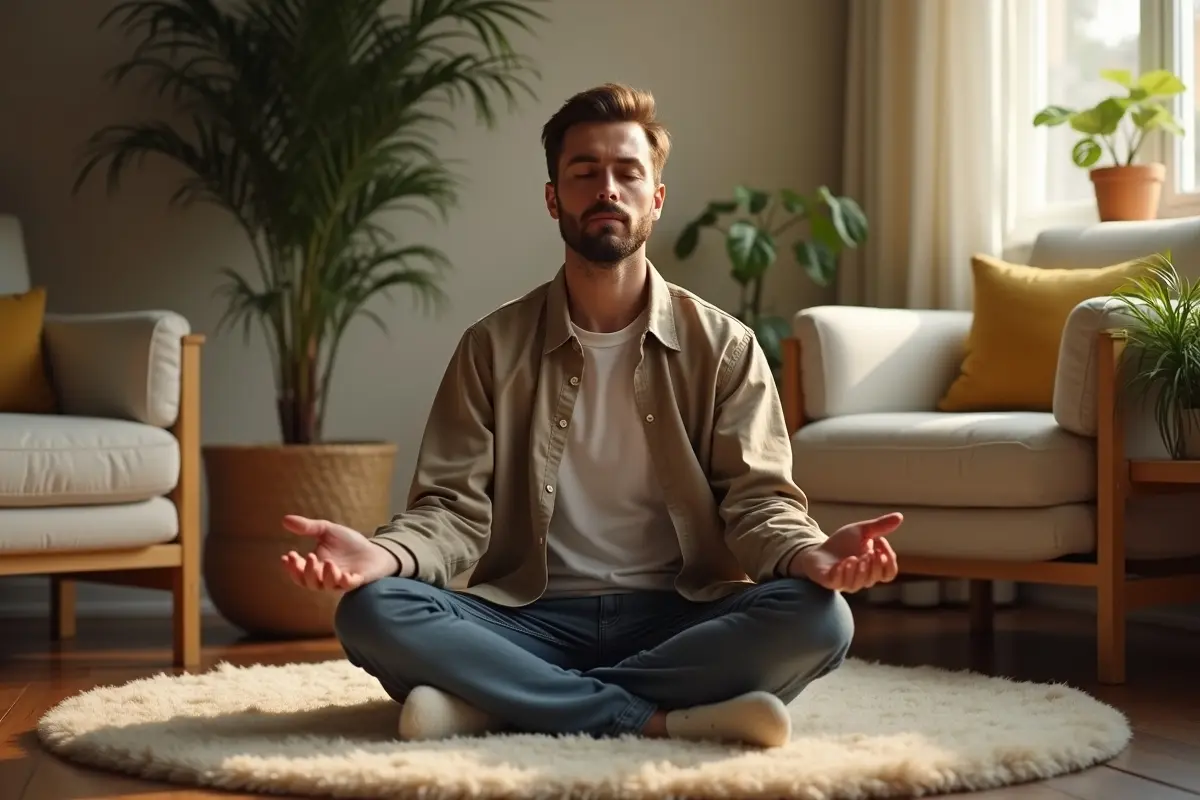
Mindfulness meditation has become widely recognized for its role in managing stress and anxiety. Practicing mindfulness means paying nonjudgmental attention to the present moment, which can help break the cycle of overthinking and reduce anxious feelings. Deep breathing exercises, such as slow diaphragmatic breathing, quickly calm the nervous system and improve focus.
Progressive muscle relaxation, where you tense and then slowly relax different muscle groups, may also reduce physical tension and signal the body to relax. These approaches are endorsed by mental health professionals, including those at the American Psychological Association’s guide on mindfulness.
Cognitive Behavioral Strategies
Cognitive behavioral techniques empower individuals to recognize and challenge negative thought patterns that fuel anxiety. By observing your thoughts objectively, you can learn to question their accuracy and replace them with healthier, more constructive perspectives. Developing practical coping mechanisms, like self-soothing statements or breaking large tasks into manageable steps, can also help maintain control during anxiety-provoking situations. Over time, these strategies train the mind to react more resiliently to stress and uncertainty.
Seeking Professional Help
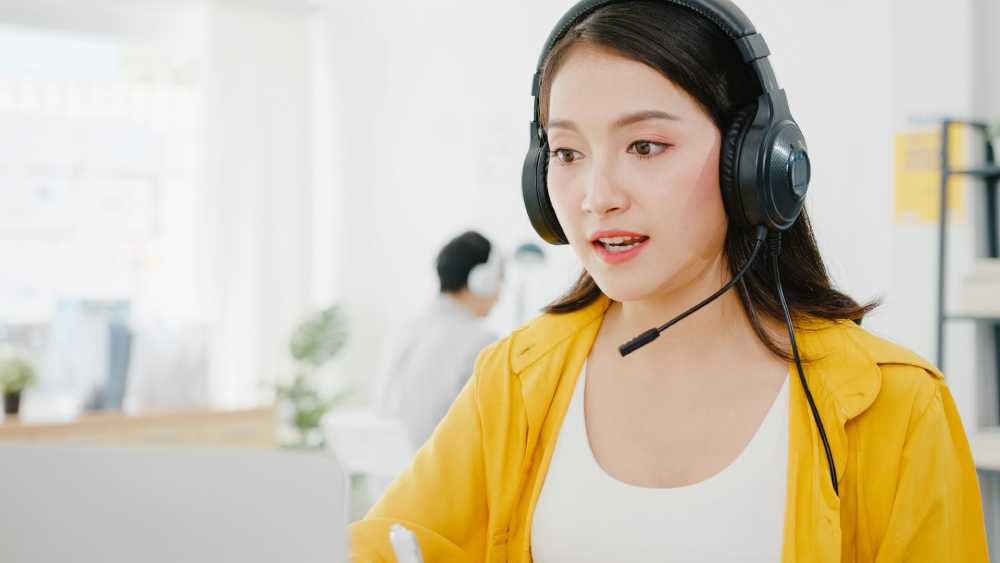
Knowing when to seek professional help is essential for managing anxiety effectively, especially when symptoms persist or significantly disrupt daily life. Therapy and counseling, which can include cognitive-behavioral therapy (CBT), mindfulness-based therapy, and exposure therapy, are evidence-based approaches that have been proven to help reduce anxiety symptoms.
Therapists at Gem State Wellness create personalized treatment plans for children, teens, adults, and couples, fostering a supportive environment grounded in expertise and compassion. For those residing in Boise, Meridian, and the surrounding areas, their services are accessible and tailored to meet diverse mental health needs.
Building a Support System
Social support is a cornerstone of anxiety management. Strong connections with friends, family, and support groups provide emotional reassurance and practical assistance. Openly communicating your experiences and needs with trusted individuals can help reduce isolation and foster a deeper mutual understanding. Don’t hesitate to explain what you’re feeling—loved ones often appreciate knowing how they can help.
Incorporating Relaxation into Daily Routine
Intentionally creating time for relaxation and leisure helps counterbalance the constant pressures of modern living. By scheduling regular breaks, individuals give themselves permission to pause, reset, and regain focus throughout busy days. Creative hobbies, physical activities, and simple pleasures provide healthy outlets for self-expression and enjoyment, allowing the mind to unwind naturally.
Even short, mindful moments dedicated to self-care can interrupt cycles of stress and overthinking. Over time, these practices support emotional balance, improve mental clarity, and foster a stronger, more sustainable sense of overall well-being and personal resilience.
Conclusion
Managing anxiety is a continuous process that thrives on proactive self-care, supportive relationships, and professional guidance when needed. Strategies from healthy lifestyle choices and mindfulness practices, to cognitive behavioral techniques and the advice of experienced therapists, all play a role in building resilience. By integrating these approaches into daily life, you empower yourself to face challenges with greater confidence and calm. Remember—taking action, even in small ways, is a meaningful step toward a more peaceful mind.