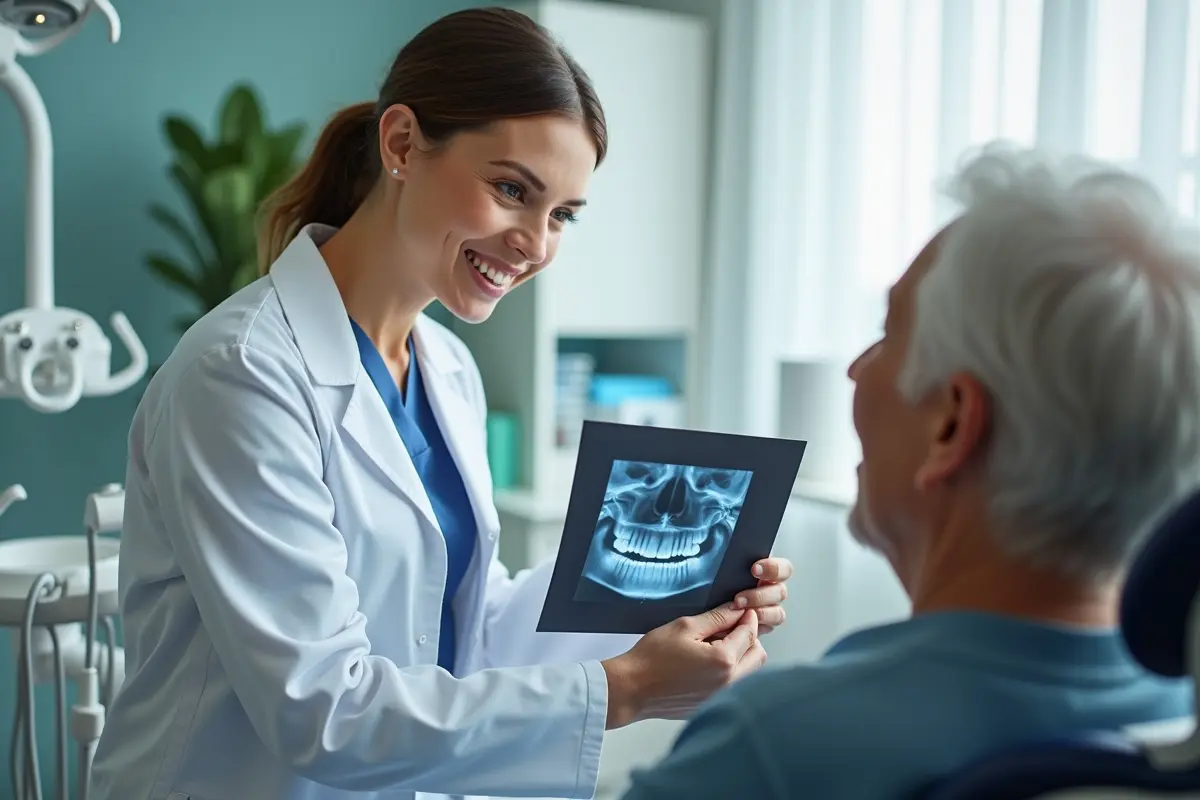
Dental implant have revolutionized restorative dentistry, providing both patients and practitioners with a long-term, reliable solution for missing teeth. With a variety of dental implant types and technological advancements, individuals can now receive customized treatments that support improved function, comfort, and aesthetics. Those considering dental implants in the Elk Grove area can explore professional options at https://www.ora4x.com/locations/elk-grove-dental-implants/ for tailored consultations and care.
Understanding the full range of implant options is crucial to making informed decisions about lasting oral health. Whether you are missing a single tooth or require a comprehensive restoration, modern implant dentistry offers solutions to restore your confidence and ability to eat, speak, and smile naturally. Due to ongoing innovation in dental care, implants are now accessible to more patients than ever—regardless of their age or bone density.
Dental implants not only fill gaps in your smile but also protect underlying bone, prevent shifting of adjacent teeth, and maintain facial structure. Each option—ranging from traditional implants to revolutionary root-analogue solutions—caters to the unique needs and circumstances of individual patients. Selecting the right implant system involves a clinical evaluation, consideration of personal preferences, and alignment with your long-term oral health goals.
In this article, you’ll discover the different types of dental implant systems, who they benefit, and the latest innovations driving success in implant dentistry. You will also find guidance on costs, financing, and questions to discuss with your dental care provider.
Traditional Dental Implants
Traditional dental implants are most commonly made from titanium and are designed to function as artificial tooth roots. Surgically embedded into the jawbone, these implants support crowns, bridges, or dentures, providing unmatched stability and optimal chewing function. Because the titanium post fuses with the bone through a process called osseointegration, this approach offers a permanent and durable solution for missing teeth. However, successful placement often requires sufficient bone density, so some patients may require bone grafting prior to implantation.
Mini Dental Implants
Mini dental implants offer a less invasive and more affordable solution, particularly for individuals with limited bone density or those seeking to stabilize lower dentures. Roughly half the size of traditional implants, they often enable same-day placement with less discomfort and shorter healing times. Ideal for replacing smaller teeth or providing critical support for dentures, mini implants have widened access to restorative dentistry, although they may not be suitable for more complex rehabilitations.
All-on-4 Implants
For patients with full-arch tooth loss or significant deterioration, the All-on-4 technique involves placing four implants in areas of optimal bone to support a full-arch, fixed prosthesis. This method minimizes the need for bone grafts, even in cases of jawbone loss, and enables immediate attachment of replacement teeth. The All-on-4 concept is especially beneficial for rapid transformation, restoring both function and aesthetics within a single day in many cases.
Implant-Supported Overdentures
Implant-supported overdentures offer a hybrid solution, providing the benefits of traditional dentures with the superior stability, comfort, and retention of implants. Placing just two to four implants in the jaw enables an overdenture to snap securely into place, reducing common problems such as slippage during eating or speaking.
This method also helps preserve the underlying jawbone and slows bone resorption, unlike conventional removable dentures. Overdentures can be particularly transformative for individuals who have previously struggled with ill-fitting or uncomfortable dentures.
Root Analogue Implants
Root analogue implants represent a cutting-edge advancement in the field of implantology. Custom-fabricated from digital scans, these implants exactly match the dimensions of the extracted tooth’s root. Made from biocompatible materials such as zirconia or titanium, root analogue implants fit snugly into the tooth socket, allowing for immediate placement after extraction.
This rapid, tailored fit enhances both functional and cosmetic outcomes while reducing trauma and recovery time. As dental technology evolves, personalized root-analogue systems could soon become more widely available in mainstream dentistry.
Advanced Materials and Technologies
The materials and technologies behind dental implants have undergone significant improvements. For patients with metal sensitivities or seeking enhanced aesthetics, zirconia implants provide a metal-free, tooth-colored alternative to titanium. Modern digital planning enhances precision in implant placement, while the integration of biosensors in implant abutments enables real-time monitoring of healing, bite force, and potential complications.
These innovations enable dentistry professionals to deliver effective, individualized treatment, thereby improving outcomes and long-term patient satisfaction. To learn more about the role of advanced materials in oral health, readers can review findings from the American Dental Association Science and Research Institute.
Cost Considerations and Financing
The cost of dental implants can vary significantly based on the type and number of implants, the required preparatory procedures, and the choice of materials. While implants are an investment, many dental offices now offer in-house financing or partnerships with third-party lenders to make payments more manageable and affordable.
Additionally, select insurance plans may cover certain stages of the implant process, such as extractions or crowns. Before proceeding, discuss your options with both your dental provider and insurance company to fully understand your coverage and payment options.
Conclusion
Choosing the right dental implant solution is crucial for restoring a healthy smile and maintaining long-term oral health and well-being. With options ranging from conventional titanium posts to custom root-analogue systems, modern implant dentistry tailors solutions to meet the needs of every patient. Speak with a qualified dental professional to find the implant treatment that best fits your needs, budget, and goals—ensuring lasting oral health for years to come.