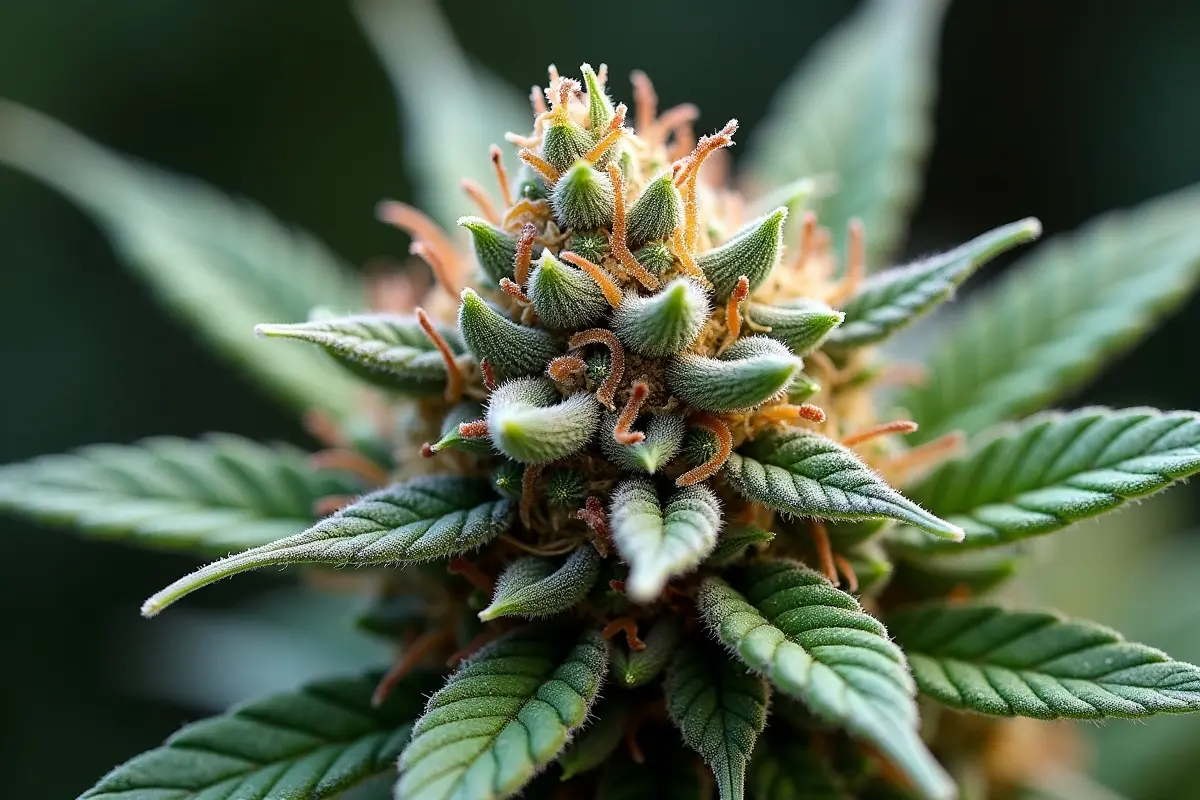
THCA flower is rapidly gaining traction among cannabis enthusiasts and newcomers alike. Its unique properties and distinct position in the legal landscape have contributed to a surge of interest across the U.S. For consumers exploring novel cannabis experiences, understanding what makes more THCA flower here is key to making informed decisions.
Unlike traditional cannabis products that emphasize Delta-9 THC, THCA flower offers a distinct compound with intriguing effects and potential uses. Gaining a clear perspective on how THCA flower behaves, its safety profile, and relevant legal considerations is crucial for both safe and enjoyable consumption.
Understanding THCA: The Precursor to THC
THCA, or tetrahydrocannabinolic acid, is a non-intoxicating cannabinoid present in raw cannabis plants. It forms in the plant before THC and does not cause psychoactive effects in its natural form. When THCA is heated, through processes like smoking, vaporizing, or baking, it undergoes decarboxylation. This chemical reaction transforms THCA into THC, the well-known psychoactive compound linked to cannabis’s signature “high.” For users looking for therapeutic effects without intoxication, consuming raw THCA flower is an avenue worth exploring.
This transformation also means that understanding how THCA flower is consumed directly affects users’ experience and effects.
For those interested in cannabis-related legality, both state and federal laws add layers of complexity to buying and possessing THCA products. Keep reading to understand how to navigate this evolving legal landscape.
Legal Status of THCA Flower
The 2018 Farm Bill marked a pivotal change in cannabis law, legalizing hemp products with less than 0.3 percent Delta-9 THC by dry weight across the U.S. Under this law, THCA-rich hemp flower can be legally sold at the federal level because THCA itself is not counted as Delta-9 THC, even though it converts to THC upon heating. However, this federal standard is not universal. Some states have regulations defining “total THC” to include what THCA would become if heated, resulting in more restrictive limits. Therefore, residents must stay up to date with their local state guidelines before purchasing or using THCA flower.
Potential Benefits of THCA
Although research on THCA is in its infancy, preliminary studies and user reports suggest multiple areas of promise:
- Anti-inflammatory Properties: Some evidence supports THCA’s potential to reduce inflammation. This can be especially valuable for individuals with conditions such as arthritis or autoimmune issues.
- Neuroprotective Effects: Early research suggests that THCA may help protect nerve cells. These properties are of interest for treating neurodegenerative diseases, though human studies are needed.
- Anti-emetic Properties: THCA has demonstrated effectiveness in reducing nausea and vomiting in some clinical models, making it a potential adjunct for patients undergoing treatments such as chemotherapy.
While early findings are promising, it is important to approach health claims cautiously. The available evidence primarily comes from lab studies, animal studies, or anecdotal reports. More rigorous human research is ongoing and needed to confirm these potential benefits.
How to Use THCA Flower
Consumers have several options for incorporating THCA flower into their routines, depending on desired outcomes:
- Raw Consumption: Eating or blending THCA flower raw, such as in smoothies or juices, allows users to benefit from THCA’s non-intoxicating properties. Raw consumption preserves the compound in its original, non-psychoactive state.
- Heating Methods: Smoking, vaping, or cooking THCA flower causes decarboxylation, converting THCA into psychoactive THC. This creates effects similar to traditional cannabis use and is preferred by those seeking more pronounced changes in mood or sensation.
New users should start with small amounts to determine how their body responds, especially if choosing to heat the flower. Different consumption methods will yield distinct effects depending on how THCA is metabolized or converted.
Quality and Safety Considerations
To maximize safety and effectiveness, shoppers should consider several factors when selecting a THCA flower product:
- Lab Testing: Only purchase products that third-party labs have independently tested. Lab reports should measure cannabinoid potency and test for common contaminants such as pesticides, heavy metals, and residual solvents.
- Storage: Store THCA flower in a cool, dark location. Heat and light can trigger unwanted conversion of THCA to THC and can degrade other important compounds.
- Source: Always buy from reputable vendors that provide transparent information about flower origin, strain, cannabinoid content, and lab results.
Selecting high-quality products helps you minimize your exposure to contaminants and enjoy a better, more predictable experience.
Potential Risks and Side Effects
While THCA flower is usually well tolerated, users should be aware of a few important risks:
- Intoxication: Heating THCA flower will turn it into THC, resulting in the classic high associated with cannabis. Those who wish to avoid psychoactive effects should steer clear of heated preparations.
- Legal Implications: The legal status of THCA products varies by state and jurisdiction so users should regularly review local and state ordinances.
- Drug Testing: Because THCA is converted to THC when heated or even over time, using THCA flower may produce a positive drug test for THC—important for individuals subject to drug screening.
Staying informed about both the physical and legal risks associated with using THCA flower is an important part of responsible consumption.
Final Thoughts
THCA flower is emerging as a versatile option for cannabis users, offering a unique range of experiences and potential health benefits depending on consumption method. Understanding the compound’s distinct chemistry, the legal landscape, safety concerns, and the importance of lab testing empowers consumers to make safer, more effective choices. As always, it is best to consult with a healthcare provider before starting any new cannabis-derived products, especially for those with health concerns or those who take other medications.