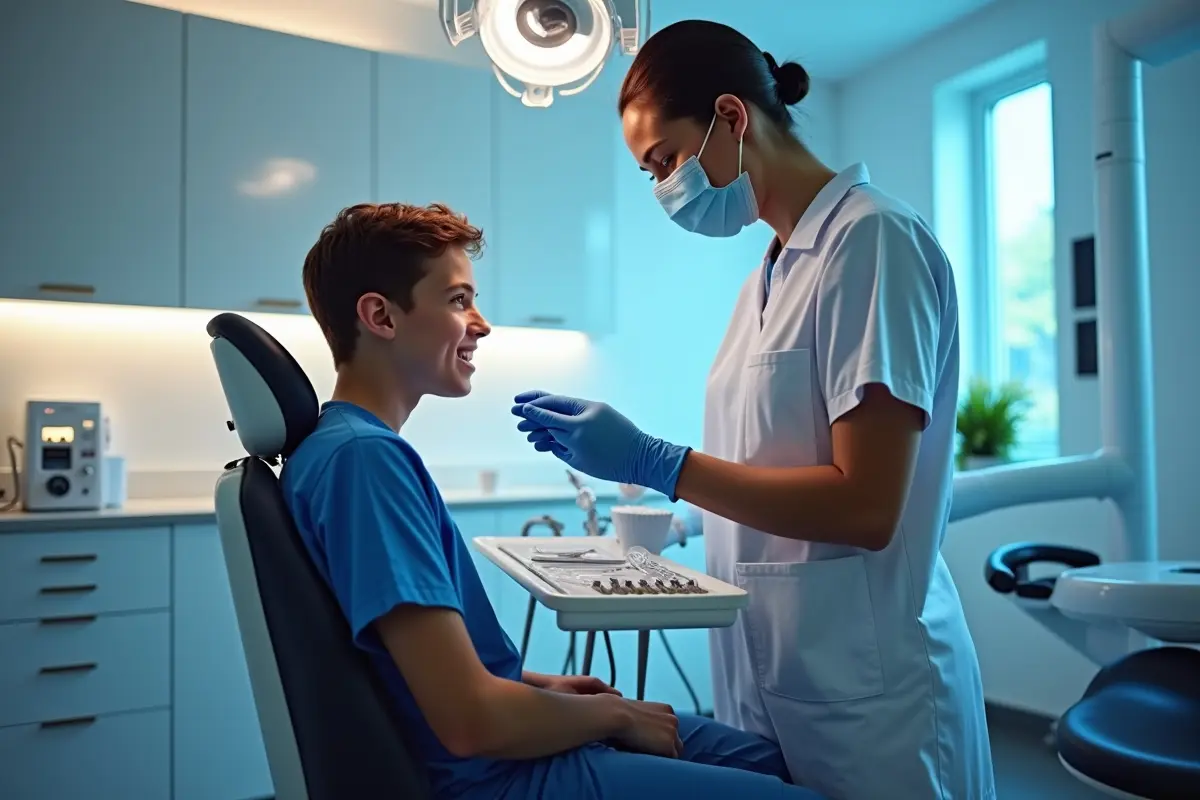
The field of dentistry is evolving rapidly, enabling patients of all ages to access personalized, effective, and comfortable care. New technologies and innovative approaches have made it easier to maintain oral health and achieve a confident smile. Whether you are looking for early dental guidance for a child or advanced solutions for age-related dental issues, today’s dental practices provide a range of options to support lifelong wellness. For those seeking advanced and compassionate dental care, finding a trusted dentist in Richardson is an essential step toward achieving optimal oral health at every stage of life.
The importance of modern dentistry spans all generations, with advances in diagnostics, preventive measures, cosmetic enhancements, and restorative treatments. Not only do these improvements make visits to the dentist more comfortable, but they also lead to better long-term outcomes. Integrating digital health technologies and patient-centered approaches ensures that oral health needs are addressed with greater precision and empathy.
Pediatric Dentistry: Building a Strong Foundation
Establishing good oral health habits from a young age is essential for minimizing future dental problems. Pediatric dentistry focuses on preventive care through regular check-ups, professional cleanings, and the application of dental sealants or fluoride to help protect young teeth from decay. Many practices also use digital imaging, which decreases radiation exposure and enables dentists to diagnose issues safely and accurately in children. Introducing children to the dental environment in a positive manner equips them with habits that will last well into adulthood.
Adolescent Orthodontics: Aligning Smiles with Innovation
Teens today benefit from a wide array of discreet, effective orthodontic options. Clear aligner systems such as Invisalign have transformed orthodontics by allowing teeth to be straightened without visible metal brackets. These aligners can be removed for eating and brushing, which promotes better oral hygiene throughout treatment. Compared to traditional braces, these advancements deliver comparable results while minimizing discomfort and self-consciousness associated with orthodontic care. For further reading on the advantages and safety of orthodontics, visit the Mayo Clinic’s resource on dental health.
Adult Preventive Care: Maintaining Optimal Oral Health
Preventive dental care remains the backbone of long-term oral health for adults. Regular cleanings, check-ups, and advanced home care tools are central to preventing cavities, gum disease, and tooth loss. Innovations like smart toothbrushes and oral health monitoring apps help track daily hygiene and provide real-time feedback. As people juggle busy schedules, virtual dental consultations or teledentistry have become an invaluable resource for timely advice, second opinions, and quick problem-solving without an in-office visit.
Restorative Treatments: Rebuilding Confidence
Dental restoration techniques have improved significantly, enabling faster, more precise treatments. For example, CAD/CAM (computer-aided design/computer-aided manufacturing) technology allows dentists to create custom crowns in a single visit. This technology eliminates the need for temporary crowns and multiple appointments while producing stronger, more natural-looking restorations. Modern materials and methods also ensure that restorative treatments not only improve functionality but also restore a patient’s confidence in their smile.
Cosmetic Dentistry: Enhancing Aesthetics
The evolution of cosmetic dentistry means that many procedures are now minimally invasive and tailored to individual goals. Laser dentistry is used for precise gum contouring and effective whitening, resulting in less discomfort and faster recovery. Cosmetic solutions such as veneers, bonding, and enamel shaping offer patients a broad range of choices to enhance the beauty of their smiles with minimal impact on their natural teeth. A comprehensive overview of dental implants describes standard procedures and their benefits for those interested in improving their smile.
Geriatric Dental Care: Addressing Age-Related Challenges
As people age, dental needs shift to address challenges such as tooth wear, gum disease, and tooth loss. Modern geriatric dental care includes implant-supported dentures and bridges, which offer a stable, secure fit and a natural appearance. Innovations like 3D printing enable the development of customized prosthetics, delivering improved fit and comfort for older adults. These solutions play a vital role in supporting nutrition, speech, and overall health in the elderly population.
Emerging Technologies: The Future of Dental Care
The future of dental care is being shaped by artificial intelligence and advanced digital resources. AI-powered imaging tools can detect cavities, bone loss, and other issues with remarkable speed and accuracy, leading to earlier and more effective treatments. Additionally, new processes, such as point-diffusion models, are enabling the creation of patient-specific dental crowns and standard restorations quickly and with greater precision. These technological leaps result in more personalized care and improved patient outcomes across the board.
Conclusion
Dentistry has never been more dynamic or patient-friendly. By embracing modern technology and individual-focused care, dental professionals can address the needs of children, adults, and older adults alike. From preventive strategies to leading-edge restorations and cosmetic enhancements, modern dental solutions equip patients with the knowledge and resources necessary to enjoy lifelong oral health, confidence, and well-being.