Deciding whether to fix your home before selling or to sell it as-is can be a complex choice that depends on several practical factors. Homeowners often weigh the cost of repairs against potential returns, as well as the time, effort, and stress involved in renovations. Market conditions, the age and condition of the property, and personal circumstances such as relocation timelines or financial needs also play a role. Understanding these elements can help clarify which option aligns best with your goals.
In some situations, selling without repairs may make sense, especially when major updates are required or when speed is a priority. For example, homeowners exploring a quick house sale in Raleigh, NC might consider how local demand, buyer expectations, and repair costs compare to the convenience of selling as-is. Evaluating both paths objectively allows sellers to make informed decisions based on realistic outcomes rather than assumptions.
Understanding Selling As-Is
Understanding selling a home as-is means recognizing that the property is offered in its current condition, without the seller making repairs or upgrades before closing. This approach can appeal to homeowners who want to avoid the time, expense, and uncertainty that often come with renovations, especially when a house has aging systems or visible wear.
Buyers in as-is transactions typically conduct inspections to understand what they are purchasing, but they accept responsibility for future repairs. In some markets, sellers may encounter options such as cash offers for NC houses, which can simplify the process by reducing contingencies and shortening timelines. Overall, selling as-is is a practical choice that prioritizes transparency, realistic pricing, and efficiency over maximizing top-market value.
Pros of Selling As-Is
- Time and Effort Savings: Forgoing repairs can dramatically reduce the amount of time your house is on the market. You avoid project delays, contractor scheduling hassles, and disruptions to your daily routine.
- Cost Savings: Major repairs can strain your wallet. For example, data from the National Association of Realtors notes that roof replacements and kitchen remodels are among the most expensive updates, often costing tens of thousands of dollars. Selling as-is avoids these out-of-pocket costs entirely.
- Attracting Investors: As-is homes often catch the eye of investors and cash buyers looking to rehab properties. These buyers tend to act quickly, cutting out the traditional financing timeline and offering more flexibility in closing dates.
Cons of Selling As-Is
- Lower Sale Price: A 2023 ATTOM Data report confirms that fixer-uppers typically sell for 25–30% less than similar homes in move-in-ready condition. Buyers factor renovation costs into their offers, which can substantially drive down your net proceeds.
- Limited Buyer Pool: Many buyers prefer turn-key homes that require little to no work, so your audience shrinks when you list as-is. This can lead to longer selling times if the local pool of investor-buyers is small.
- Negative Perception: A home labeled “as-is” can create the impression of hidden problems, prompting cautious buyers to make lower offers or pass on your listing altogether.
Benefits of Making Repairs Before Selling
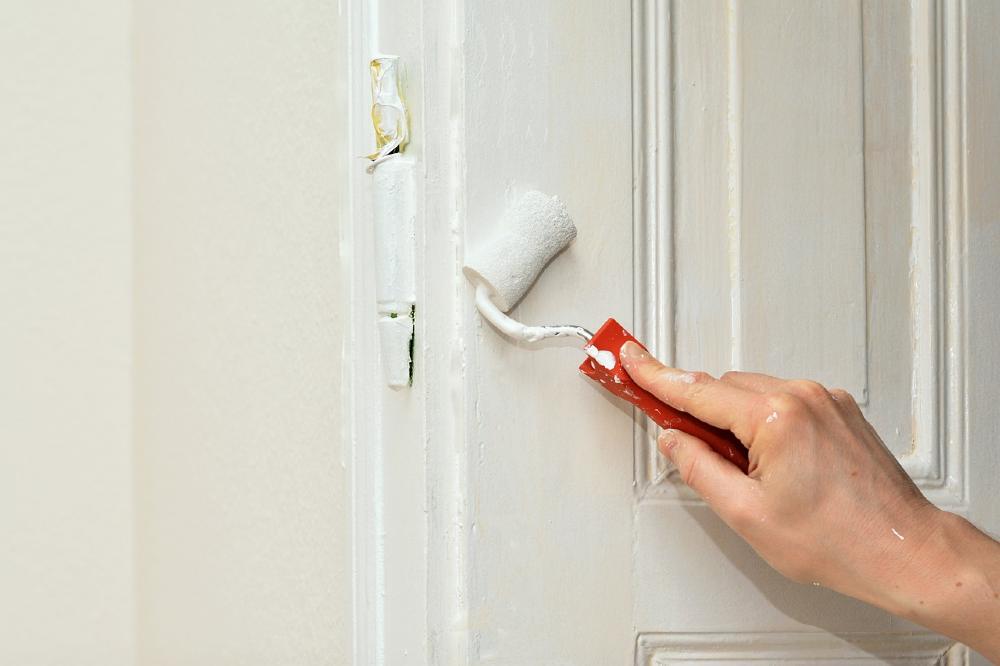
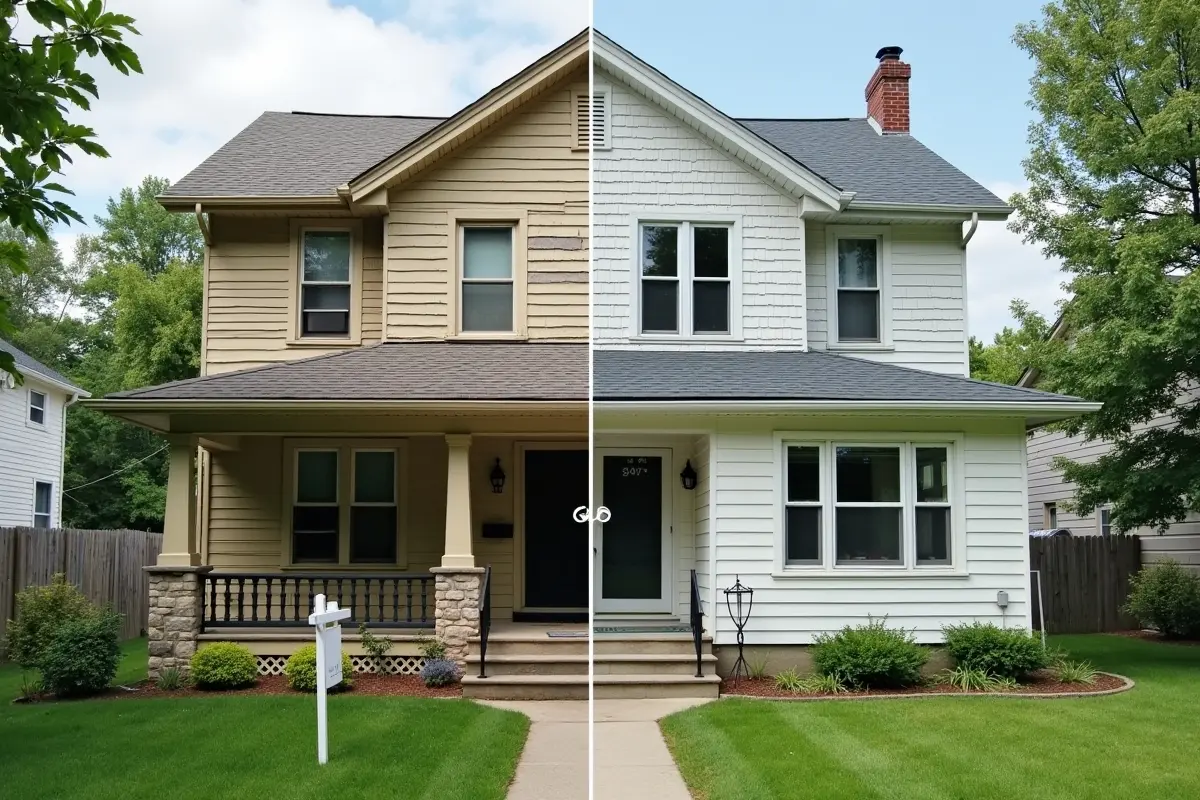
Performing repairs before selling a home enhances its marketability and sales success. Simple updates and upkeep, such as fresh paint, modern flooring, and improved landscaping, contribute to a more attractive appearance that appeals to buyers. These small investments can also boost profit margins.
Homes that are move-in ready appeal to a wider range of buyers, including those relying on traditional financing or seeking minimal renovations, which increases competition and the likelihood of multiple offers. Enhanced curb appeal and updated interiors create a strong first impression, helping buyers picture themselves living there, resulting in higher offers during showings and open houses.
Drawbacks of Making Repairs Before Selling
Making repairs before selling comes with drawbacks. The primary concern is the upfront cost, as renovations require a substantial investment before listing. While some upgrades boost the property’s value, others might not fully recover their costs. Repairs can also cause delays, as coordinating contractors and permits may extend the selling process by weeks or months, which is problematic for those needing a quick sale. Moreover, the return on investment (ROI) is uncertain; market fluctuations or over-improvement can result in unrecoverable costs.
Factors to Consider in Your Decision
When choosing whether to repair or sell a home as-is, weigh market trends, property condition, your financial situation, and timing. Robust markets might be more accepting of as-is homes, whereas buyers in balanced markets expect issues to be addressed. Small updates are feasible, but significant system repairs might mean you should sell as-is.
Assess whether repairs are affordable and if they will boost your sale price, especially if you have limited equity. Urgent circumstances such as relocation, financial constraints, or personal reasons may make an as-is sale the best option, even if it means accepting a lower price.
Conclusion
There is no universally right answer to whether you should fix up your home before selling or sell it as-is. Weigh the local real estate market, expected repair costs, your timeline, and your comfort level with managing updates. By considering all these factors, you can choose the option that best meets your needs, whether you value speed, the highest return, or the least hassle. Thoughtful evaluation leads to better outcomes and fewer surprises along the way.