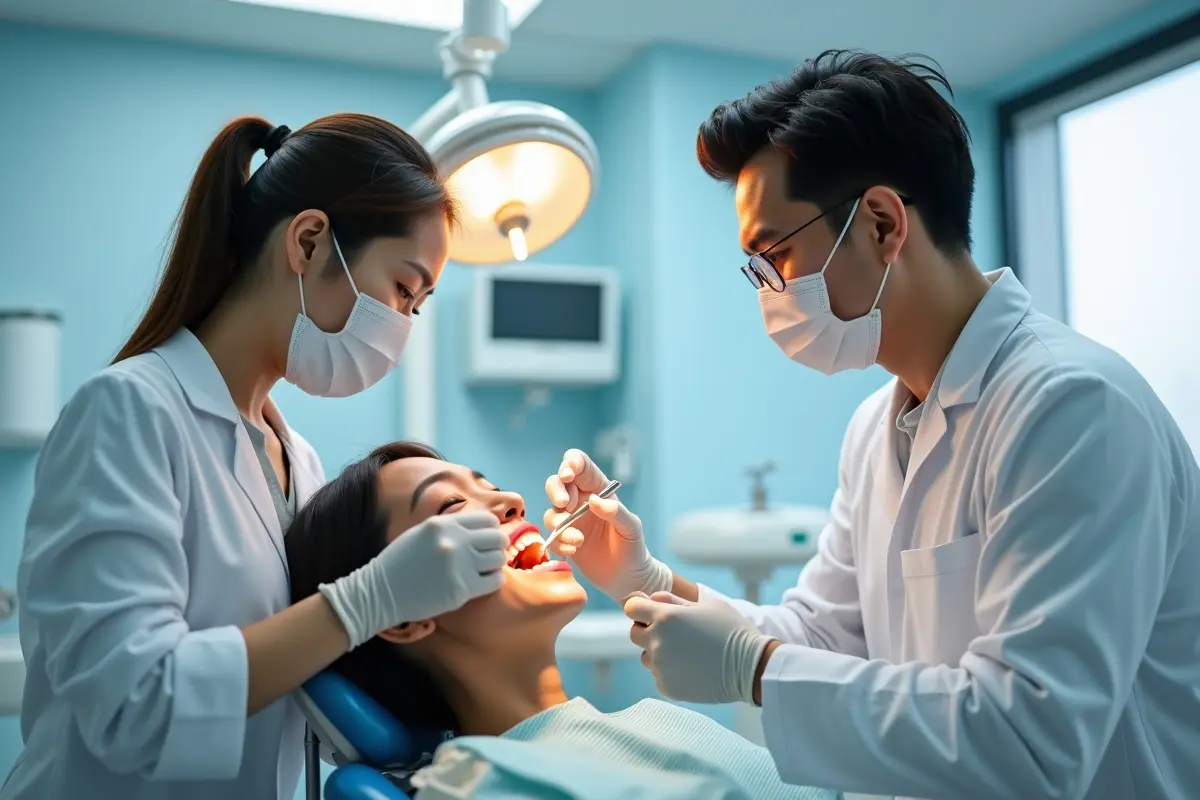
Long-term oral health is closely tied to the effectiveness of restorations for damaged or missing teeth. When teeth are compromised by decay, injury, or wear, the resulting gaps or weaknesses can affect chewing efficiency, speech clarity, and overall bite alignment. Over time, these changes may place additional strain on surrounding teeth and jaw structures, potentially leading to further oral health complications if left unaddressed.
Proper tooth restoration focuses not only on appearance but also on preserving function and stability within the mouth. Restorative options are designed to support natural chewing patterns, maintain bone health, and prevent neighboring teeth from shifting out of position. In some cases, a dental implant may be considered as part of a broader restorative approach, depending on individual needs. By addressing tooth damage early and thoughtfully, restorative care can play a meaningful role in supporting oral health and reducing the likelihood of future dental issues.
The Importance of Timely Restorative Procedures
When a tooth is compromised, acting quickly to address the issue is essential. Even a small cavity, if left untreated, can progress to the tooth’s inner layers, leading to infection, pain, and the need for more invasive treatment. Early restorative dental procedures, such as tooth-colored fillings, not only protect the affected tooth but also preserve the integrity of the surrounding teeth.
By addressing the problem at its source, you halt further decay and help retain as much of your natural tooth as possible. Taking prompt action can save you time, money, and discomfort in the long run, ensuring your smile stays healthy and bright. Remember, prevention and timely intervention are key components of successful dental care.
Advancements in Dental Materials and Techniques
Advancements in materials science have transformed the field of restorative dentistry. Strong, natural-looking composite resins, antibacterial dental materials, and improved bonding techniques mean that restorations last longer and provide better protection against future oral health threats. Modern crowns, fillings, and bonding materials are engineered to withstand the forces of chewing and resist staining or bacterial invasion. New antibacterial dental resins, in particular, can significantly reduce the likelihood of recurrent decay beneath restorations, minimizing the need for repeat interventions.
Preserving Natural Teeth: A Preferred Approach
Although dental implants and bridges are effective for replacing missing teeth, keeping your natural teeth through skilled restoration is usually preferable. Preserved natural teeth maintain the connection with the jawbone, promoting better oral structure and long-term health. Natural teeth are less likely to produce complications related to bone loss or shifting, which can occur with implants or prosthetics. The American Academy of Periodontology advocates tooth preservation and highlights its advantages, including longevity, effectiveness, and reduced risk of complications.
Preventive and Restorative Dentistry: A Combined Approach
Integrating regular preventive care with professional restorative services is the optimal strategy for lasting oral health. Preventive cleanings, dental sealants, and routine examinations allow for early detection and intervention. When paired with high-quality restorative treatments, this approach reduces the risk of developing advanced oral diseases and lowers the likelihood and cost of future, more complex procedures.
Impact on Overall Health and Quality of Life
The significance of good oral health extends beyond your mouth. Dental infections and chronic inflammation are linked to conditions like heart disease, diabetes, and respiratory problems. By restoring damaged teeth and preventing further oral infections, patients lower their risk of systemic illness. An attractive, healthy smile also fosters self-esteem and improved mental health, enhancing quality of life and social confidence.
Cost-Effectiveness of Restorative Dentistry
Investing in early restorative dental care is often more cost-effective than managing advanced oral health problems. Treating a simple cavity with a filling is substantially less expensive than undergoing a root canal or extracting and replacing a tooth with a prosthetic. By prioritizing regular dental visits and immediate restorations when issues arise, patients can avoid the higher financial burden of complex procedures and enjoy a healthier mouth for years to come.
Conclusion
Prioritizing proper tooth restoration is fundamental for long-term oral health. Early intervention protects teeth from worsening decay or damage, while advanced materials and techniques help restore strength and appearance. Preserving natural teeth wherever possible is the best approach for overall oral function and health. By combining preventive care with restorative dentistry and seeking timely, expert treatment, patients can maintain healthy smiles and improve their overall well-being.