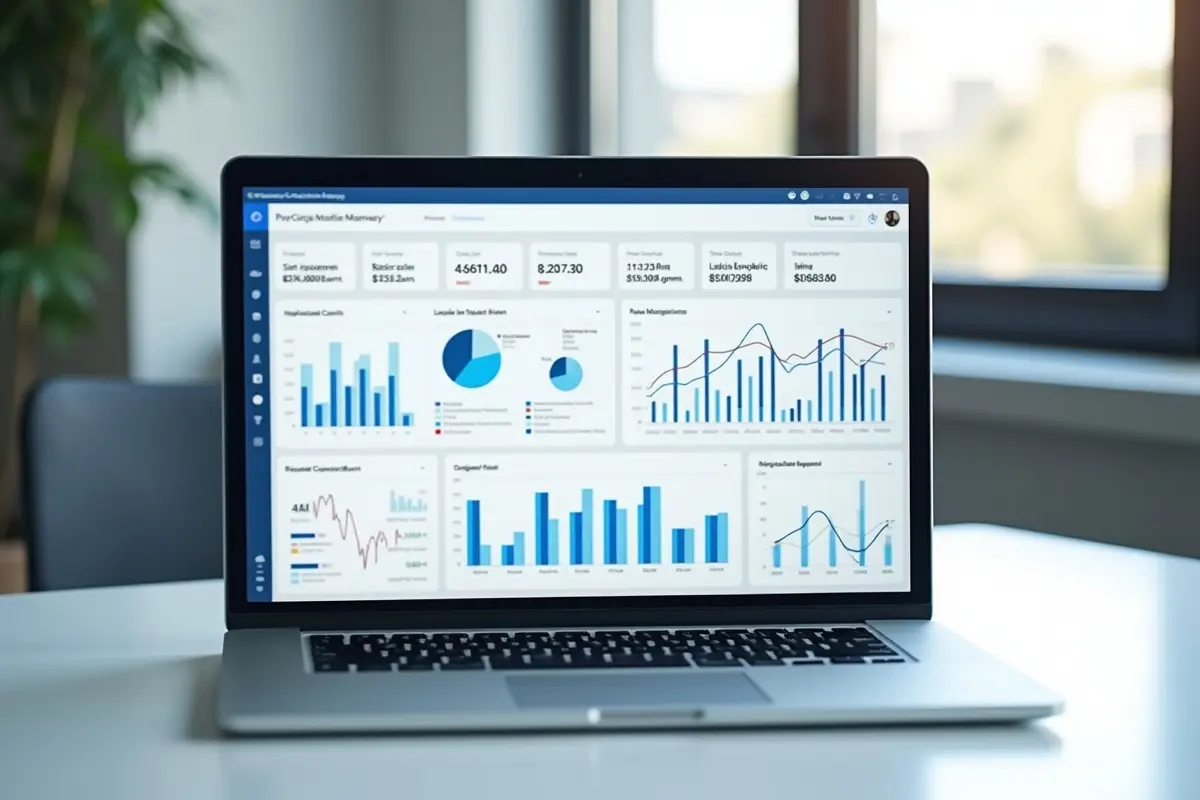
In a landscape defined by rapid digital evolution and shifting consumer expectations, media organizations increasingly rely on data-driven strategies to stay relevant. Harnessing powerful analytics, today’s media leaders are transforming how they approach storytelling, distribution, and audience relationship-building. By using media buying platforms that leverage sophisticated data, companies can target the right segments at the right moments and deliver experiences that foster enduring engagement.
At the heart of this transformation is the ability to deeply personalize content, optimize every step of the user journey, and anticipate the shifting preferences of digital consumers. With real-time insights and predictive modeling, media outlets are not just capturing attention; they are building loyalty and driving measurable growth. These strategies underscore a new era in which behavioral analytics and tailored interactions form the foundation of successful media enterprises.
Organizations that leverage analytics in their media strategies uncover more profound insights into their audiences’ preferences and habits. This empowers them to serve highly relevant material, keep pace with emerging content trends, and maintain meaningful relationships with their viewers and readers. According to Bloomberg Media, industry giants now view real-time data as essential to both content innovation and operational agility.
Personalizing Content Through Data Analytics
Personalization has become a core expectation for media consumption, and data analytics is the engine powering that experience. By systematically collecting and interpreting data on viewer preferences, past behavior, and engagement signals, platforms can present individually tailored recommendations and relevant offers. Companies like Netflix and Spotify illustrate these principles: their proprietary algorithms learn from each user, curating a continuous feed of content specifically designed to capture interest and minimize churn.
Highly targeted campaigns, driven by real-time analytics, not only cultivate satisfaction but also drive incremental value over time. Personalization leads to increased time spent on platforms, higher subscription renewal rates, and greater receptiveness to new content recommendations. As audiences get accustomed to content ecosystems that reflect their unique tastes, the demand for such experiences will likely continue to rise.
Optimizing User Experience with Behavioral Insights
User experience optimization is inseparable from modern audience engagement. By tracking user journeys, analyzing dwell time, and scrutinizing drop-off rates, media companies can identify friction points and opportunities for improvement within their apps and websites. Metrics such as session duration, click-through rates, and social engagement help guide iterative platform design, streamline navigation, and enhance content discoverability.
This focus on behavioral signals transforms interfaces from static environments to adaptive ecosystems. Today’s most successful platforms are those that continuously evolve based on feedback and data, keeping their audiences engaged and satisfied in the long term. From simplified menus to responsive features and push notifications driven by usage patterns, behavioral insights pave the way for exceptional UX across devices.
Enhancing Engagement Through Interactive Media
The best media strategies invite users to participate, not just consume. Interactive media, ranging from live Q&As, polls, and quizzes to real-time audience commentary, creates community and deepens the emotional connection to content. Interactive journalism, in particular, can empower readers to become stakeholders in the storytelling process by influencing reporting priorities and outcomes.
Community Building and Two-Way Dialogue
Facilitating audience feedback mechanisms and real-time engagement features transforms passive news reading or program viewing into active, memorable experiences. According to Forbes, interactive tools can increase dwell time, foster community, and promote a cycle of engagement that keeps users returning.
Leveraging Data for Content Creation and Distribution
Media companies no longer rely purely on editorial instinct for content creation. Modern data analysis can reveal under-served topics, identify surging trends, and inform decisions on when and where to publish for maximum reach. Detailed analytics on metrics such as article performance, video completion rates, and share statistics enable content teams to double down on what resonates with their core audiences.
Moreover, data supports smart distribution. By segmenting user bases and tracking how content performs on different channels, organizations can time releases for maximum impact and strategically target audiences most likely to engage with premium content offerings and subscription pitches.
Case Studies of Successful Data-Driven Strategies
Bloomberg Media has paved the way with engagement-first reporting, adjusting its editorial calendar in real time as analytics highlight reader interests. This approach has enhanced both user retention and ad revenue. Texas Monthly similarly revamped its strategy after analyzing traffic spikes from true crime features, leading to a podcast expansion that substantially grew its audience. These case studies reflect a shift from reactive to proactive content planning enabled by analytics.
Challenges and Considerations in Data-Driven Media
Their complexity matches the power of data-driven strategies. One of the biggest hurdles remains ensuring data privacy and complying with stringent data protection regulations. Media companies must invest in advanced security and clear consent protocols to build trust. There is also an ongoing need to develop an analytics infrastructure capable of handling real-time insights, as well as the expertise to interpret complex datasets and turn them into action.
Future Trends in Data-Driven Audience Engagement
Looking forward, artificial intelligence and machine learning will push the boundaries of what’s possible in content personalization and recommendations. Intelligent automation can process vast datasets effortlessly, anticipate user needs, deliver nuanced content at scale, and even enable the creation of dynamic, adaptive storytelling formats. As these technologies mature, media organizations will have unparalleled opportunities to deliver exceptional, custom-tailored experiences to every segment of their addressable audience.
The organizations that invest in robust data-driven approaches now will not only gain a competitive advantage but also lay the groundwork for more meaningful, fulfilling engagement with tomorrow’s audiences.