The housing market is constantly changing, adapting to shifts in technology, the environment, and the economic climate. Anyone involved in buying or selling real estate needs to stay informed about these transformative trends to navigate the market successfully and make the most informed decisions. Access to accurate, up-to-date market knowledge empowers individuals to anticipate opportunities and avoid costly missteps. Exploring market-specific listings, such as Hamptons homes for sale, helps buyers and sellers get a real-world feel for current trends.
From innovative technology to the integration of climate data in property listings, today’s real estate landscape is more complex and transparent than ever before. Sellers and buyers alike are rethinking their strategy to keep pace with a fast-evolving sector, placing a premium on digital convenience, eco-friendly features, and financial foresight. It is increasingly important to evaluate a range of factors before entering the marketplace or making substantial property investments.
Technological Advancements in Real Estate
Technology has dramatically shifted the real estate paradigm in recent years. Virtual tours, interactive floor plans, and dynamic digital galleries are standard features on major real estate platforms, making home searches more convenient and engaging. Virtual reality (VR) and augmented reality (AR) enable buyers to “visit” multiple properties from anywhere, narrowing their choices before setting foot on the property.
This surge in technology not only enhances the homebuying experience but also saves time for buyers and agents alike. Online mortgage applications and digital closing processes streamline transactions, reducing paperwork and inefficiencies while providing greater transparency.
Blockchain technology is becoming a transformative force in property transactions by increasing transaction security and reducing fraud risk. Its ability to create tamper-proof records benefits both buyers and sellers, especially with high-value assets that demand transparency and precision. These changes mark a pivotal shift from traditional, often cumbersome real estate processes to a more agile, digital-first model that reflects the needs and habits of today’s modern consumer.
Environmental Considerations
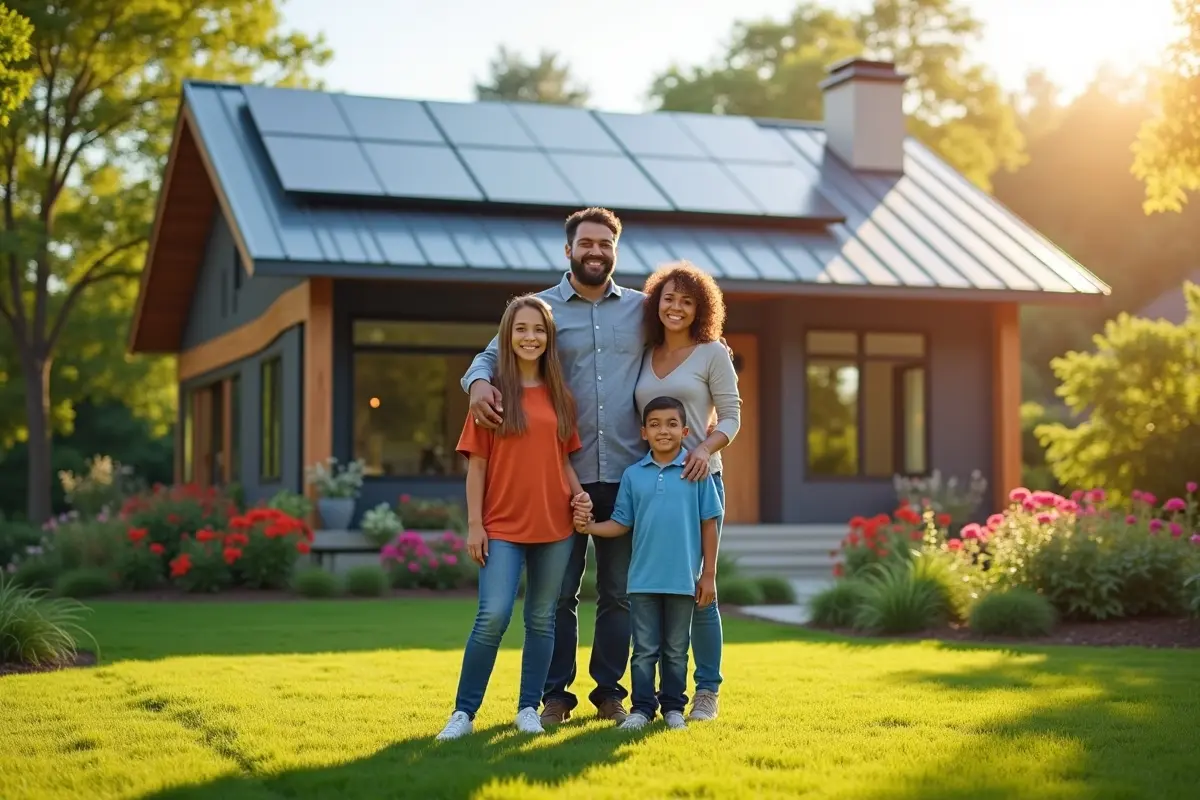
The push toward sustainability continues to influence both buyer expectations and builder practices. Buyers are increasingly requesting energy-efficient homes that incorporate smart technologies, such as intelligent thermostats, solar panels, and advanced insulation. These features not only help reduce a home’s carbon footprint but also lead to significant long-term savings on utility bills.
In response, builders are adopting green construction practices, integrating reclaimed materials, rainwater-harvesting systems, and low-impact landscaping into their design plans. Consumers are driving demand for sustainable housing in all segments, from first-time buyers to luxury real estate. Prioritizing eco-friendly elements not only supports environmental goals but can also boost a property’s market value.
According to the New York State Energy Research and Development Authority (NYSERDA), initiatives like the Future Housing Initiative aim to fast-track the creation of energy-efficient, all-electric, affordable homes in New York City, reflecting a growing trend toward green-certified homes that often sell faster and for more than their conventional counterparts.
Economic Factors Driving Market Dynamics
The real estate market is especially sensitive to economic shifts such as changes in mortgage rates and inflationary pressures. Since early 2022, mortgage rates have risen sharply due to the Federal Reserve’s efforts to curb inflation.
By 2024, the average 30-year fixed-rate mortgage will have reached about 7 percent, a substantial jump from the historic lows of preceding years. Such increases directly impact affordability, prompting many potential buyers to delay their purchases or re-evaluate their budgets. This shift has cooled overheated markets and made strategic pricing even more crucial for sellers.
The overall market impact extends beyond rates, as regional differences and local employment prospects influence buyer confidence and willingness to enter the market.
Social Media’s Influence
Social media plays an increasingly pivotal role in the way both buyers and sellers interact with the property market. Real estate professionals leverage visually rich platforms like Instagram and TikTok to showcase listings, using high-quality photography, 3D tours, and video walkthroughs to engage a wider audience. Going viral can rapidly generate extensive interest in a property, sometimes resulting in multiple competitive offers.
This social shift is not limited to marketing alone. Realtors also use these networks to connect with peers, contractors, and service providers, streamlining the process and making resources more accessible to all parties involved. The immediacy and visual appeal of social content keep buyers up to date on trends and unique listings, offering a fast-track introduction to neighborhoods and properties that might otherwise remain under the radar. According to Forbes, strategic social media use increases visibility and can shorten overall marketing timelines.
Climate Change Data in Listings
Growing concerns over climate risks are having a visible impact on how properties are marketed, particularly in regions prone to flooding, wildfires, or extreme temperatures. Over 80 percent of homebuyers consider factors such as flood risks, air quality, and extreme weather before committing to a purchase. As a result, major real estate websites now include climate risk information directly in listings, empowering buyers to assess potential hazards and make more financially sound investments.
Transparency about environmental risks not only benefits buyers but also encourages sellers and agents to address vulnerabilities proactively. Addressing these risks up front creates a more educated buyer pool and helps sellers differentiate their properties by demonstrating preparedness and openness to buyer concerns.
Final Thoughts
Success in real estate today means understanding the evolving landscape, shaped by technological advancements, eco-focused design, shifting economic realities, and an increased emphasis on social engagement and climate transparency. Buyers and sellers who stay current with these trends will be best positioned to navigate the complex market and make decisions that align with both their financial and lifestyle goals.