Achieving a state of “peak performance” is a goal shared by professional athletes and master gardeners alike. While we often think of plants and humans as occupying completely different biological realms, the fundamental truth of life on Earth is that we are all governed by complex biochemical reactions. To function at the highest level, both the human body and the botanical world require more than just the basics of calories and water. We require a precise spectrum of vitamins, minerals, and micronutrients.
Understanding the synergy between plant health and human health is the first step toward a total wellness lifestyle. When we nourish our soil, we nourish our food; when we nourish our bodies with high-quality supplements and targeted therapies, we unlock potential we didn’t know we had. This guide explores the essential “vitamins” for both kingdoms and how you can optimize your environment and your biology simultaneously.
The Foundation of Botanical Brilliance: Feeding the Soil
In the world of gardening, we often focus on the “Big Three” macronutrients: Nitrogen (N), Phosphorus (P), and Potassium (K). However, just as a human cannot survive on protein and carbohydrates alone without vitamins, a plant cannot reach its genetic potential without micronutrients.
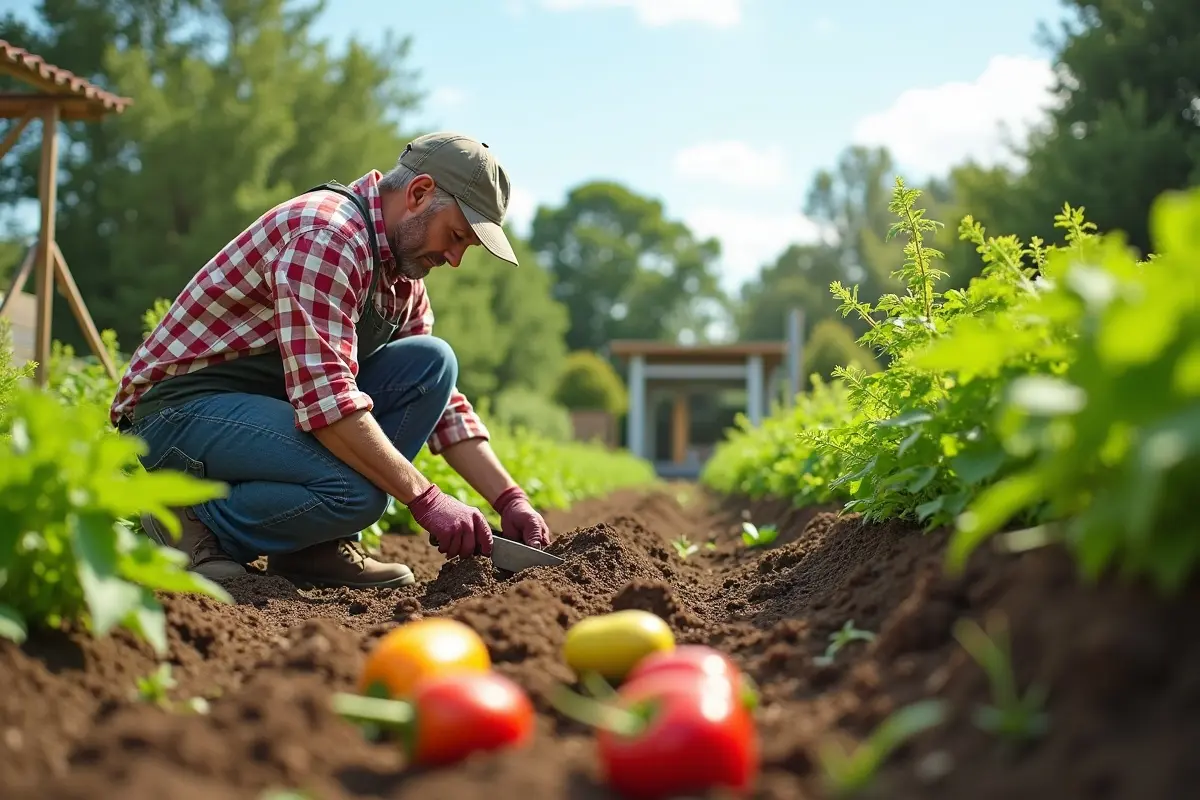
To grow nutrient-dense food that actually benefits your health, you must start with the soil. Using a high-quality organic garden fertilizer ensures that your soil is not just a medium for holding roots, but a living, breathing ecosystem. Organic fertilizers provide a slow-release source of nutrition that encourages microbial activity, which in turn makes micronutrients more bioavailable to the plants.
Essential Plant “Vitamins” and Minerals
While plants technically synthesize their own vitamins (like Vitamin C and B-complex), they require specific minerals to act as catalysts for these processes:
- Boron: Think of this as the “brain” of the plant’s reproductive system. It is essential for cell wall formation and pollen germination. Without it, your fruit yield will be dismal.
- Manganese: This is the engine behind photosynthesis. It helps the plant split water molecules to release oxygen and create energy.
- Zinc: Much like in humans, zinc in plants is vital for hormone production and internode elongation.
- Iron: Necessary for chlorophyll synthesis. If your leaves are turning yellow while the veins stay green, your plant is effectively “anemic.”
By focusing on organic inputs, you avoid the “salt burn” and nutrient lockout often associated with synthetic chemicals. You are building a legacy of health that starts from the ground up.
Human Optimization: Moving Beyond the Standard Diet
If our plants need specialized care to thrive, why do we often settle for the bare minimum for ourselves? The modern lifestyle is incredibly demanding. Stress, environmental toxins, and the depletion of minerals in industrial soil mean that even a “healthy” diet might leave us with significant nutritional gaps.
For humans, vitamins and minerals are the spark plugs of our metabolism. They don’t provide energy directly like a piece of bread does, but they are the reason your body can turn that bread into fuel. When we talk about “optimal performance,” we are looking for more than just the absence of disease—we are looking for cognitive clarity, physical endurance, and rapid recovery.
The Power of Targeted Delivery
Sometimes, oral supplements aren’t enough. Due to digestive issues or poor absorption rates, much of what we swallow is lost before it reaches the bloodstream. This is where advanced wellness interventions come into play. For those seeking immediate and 100% bioavailable nutrient support, vitamin injections can provide a powerful boost.
Intramuscular injections bypass the digestive tract entirely, delivering essential nutrients like B12, Vitamin D, or Amino Acids directly into the muscle tissue for sustained release. This method is a game-changer for individuals dealing with chronic fatigue or those training for high-level athletic events.
The Parallels Between Photosynthesis and Metabolism
It is fascinating to note how similar the “performance” needs are between a lush garden and a high-performing human. Both systems rely on Magnesium. In plants, magnesium is the central atom of the chlorophyll molecule—without it, they cannot capture light. In humans, magnesium is a cofactor in over 300 enzymatic reactions, including those that create ATP (the energy currency of our cells).
If you are feeling sluggish, your “photosynthesis” (metabolism) might be stalled due to a lack of these metallic cofactors. Both the gardener and the individual must monitor their “inputs” to ensure the “outputs” are vibrant and strong.
Maximizing Nutrient Density in Your Home Harvest
The bridge between plant vitamins and human vitamins is the food we eat. A tomato grown in mineral-depleted soil is essentially just a bag of water and sugar. However, a tomato grown with specialized organic amendments becomes a powerhouse of Lycopene, Vitamin C, and Potassium.
To ensure you are getting the very best from your garden:
- Rotate your crops: Different plants “mine” different minerals from the soil.
- Compost religiously: Composting returns the vitamins and minerals from plant waste back into the cycle.
- Test your soil: Just as you might get a blood test to check your vitamin levels, a soil test can tell you exactly what your garden is missing.
For more information on the science of soil health and how it impacts the ecosystem, you can explore resources provided by the Soil Science Society of America, which offers deep dives into how micronutrients move from the earth into our food supply.
The “Big Three” Vitamins for Human Performance
While every nutrient plays a role, three specific vitamins stand out when it comes to “optimal performance” in the 21st century:
- Vitamin D (The Pro-Hormone): Essential for bone health, immune function, and mood regulation. Since most of us work indoors, deficiency is rampant.
- B-Complex (The Energy Masters): These vitamins (B1, B2, B3, B5, B6, B7, B9, B12) are responsible for converting food into fuel and maintaining a healthy nervous system.
- Vitamin C (The Repairman): A potent antioxidant that protects cells from oxidative stress—the biological “rust” that happens when we push our bodies hard.
Biological Synergy: A Holistic Approach
Optimizing your life isn’t just about taking a pill or throwing some fertilizer on the lawn once a year. It is about recognizing that we are part of a closed-loop system. When you use high-quality organic garden fertilizer, you are encouraging a healthy microbiome in the soil. That soil produces a plant with a robust immune system. When you consume that plant, you inherit its chemical defenses and its concentrated nutrient profile.
When you supplement that foundation with modern medical advancements—like IM injections—you fill in the gaps that nature (or our modern environment) might have missed.
Signs Your System Needs an Upgrade
How do you know if your plants or your body are struggling? Look for these “performance warnings”:
- In Plants: Stunted growth, pale leaves (chlorosis), “burnt” leaf edges, or fruit that drops before it is ripe.
- In Yourself: Brain fog, lingering muscle soreness, brittle hair or nails, and a “mid-afternoon slump” that no amount of caffeine can fix.
If you see these signs, it’s time to stop the “basic” routine and start an optimization protocol.
The Path to Peak Vitality
The secret to getting the best for optimal performance is consistency and quality. Whether you are tending to a backyard vegetable patch or fine-tuning your own biological engine, the quality of your inputs determines the quality of your life.
By investing in the health of your soil and being proactive about your own nutritional needs through diet and advanced therapies, you create a life that is vibrant, resilient, and high-performing. Don’t just settle for surviving—aim to thrive.