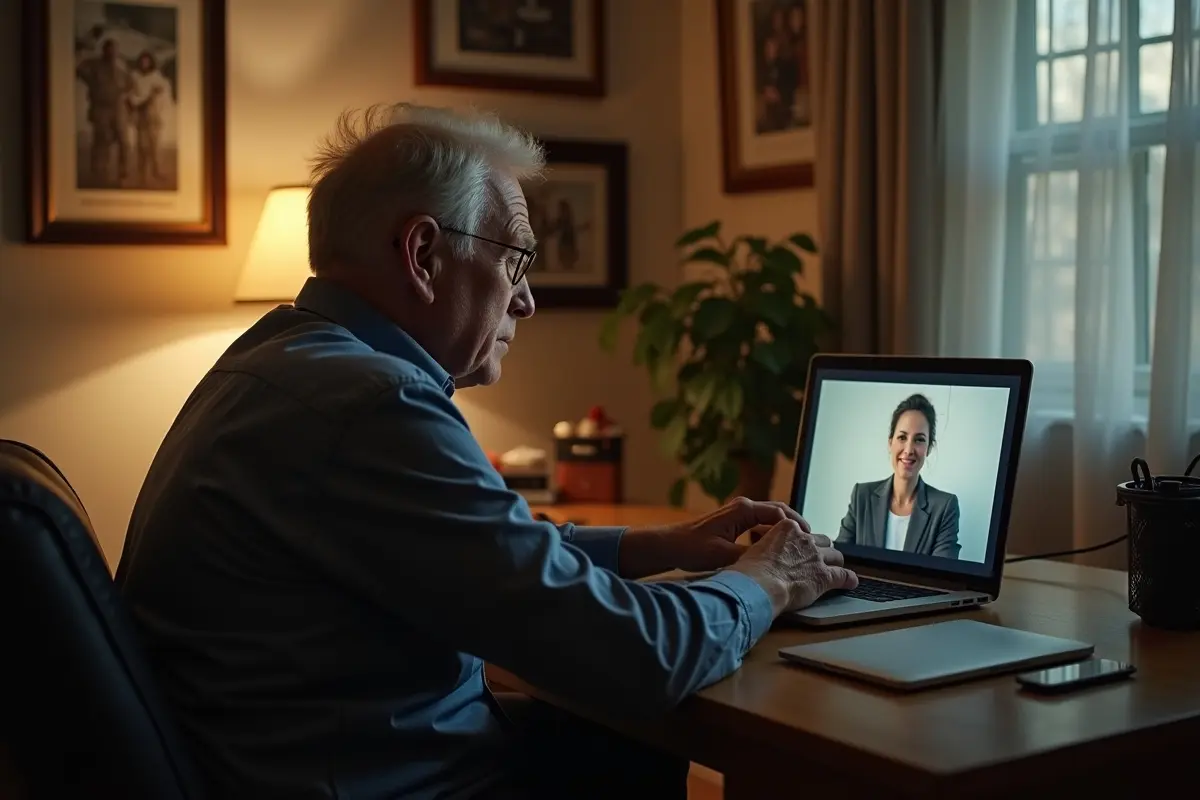
For many veterans, coming home does not mean the mission is over. The uniform may be packed away, the deployment may be behind them, and daily life may look “normal” from the outside — yet the nervous system can still be living in survival mode. Loud noises, crowded places, nightmares, guilt, anger, emotional distance, and sudden waves of fear can become part of everyday life.
Post-traumatic stress disorder, or PTSD, is not a sign of weakness. It is a serious and treatable response to trauma. For veterans, trauma may be connected to combat, military sexual trauma, injury, loss of comrades, repeated exposure to danger, or morally complex decisions made under extreme pressure. The U.S. Department of Veterans Affairs notes that the trauma-focused therapies with the strongest research support for PTSD include Cognitive Processing Therapy, Eye Movement Desensitization and Reprocessing, and Prolonged Exposure.
But healing is not only clinical. For many veterans, recovery also touches identity, values, faith, forgiveness, purpose, and the difficult question of how to live with what happened. That is where faith-sensitive online therapy for veterans can offer something especially meaningful: professional mental health support that respects the beliefs rather than asking them to leave those beliefs at the door.
Why PTSD Can Feel Different for Veterans
Veterans with PTSD often carry memories that are not easy to explain to people who have never served. The experience may involve not only fear, but also grief, responsibility, survivor’s guilt, shame, anger, or a sense of being separated from civilian life.
Some veterans do not describe their pain as “anxiety” or “depression.” They may say they feel spiritually numb, disconnected from God, unable to pray, unworthy of peace, or unsure whether they can ever be forgiven. Others may feel angry at God, abandoned by their faith community, or uncomfortable discussing military trauma with someone who does not understand the moral weight of service.
The VA’s National Center for PTSD explains that traumatic experiences can challenge spiritual or religious beliefs, especially when trauma involves life threat, loss, or moral dilemmas. It also notes that addressing religion or spirituality directly in treatment can be helpful when these areas are part of the person’s struggle.
This matters because healing from PTSD is not simply about “forgetting the past.” It is often about learning how to live safely in the present, rebuild trust, reconnect with loved ones, and make meaning without being controlled by trauma.
What Faith-Sensitive Therapy Means
Faith-sensitive therapy does not mean preaching. It does not mean replacing evidence-based treatment with religious advice. It also does not mean assuming that every veteran relates to faith in the same way.
At its best, faith-sensitive therapy means the therapist creates space for the veteran’s spiritual background, religious values, doubts, questions, and practices to be included when the veteran wants them included. For one person, that may involve prayer, scripture, religious identity, or pastoral support. For another, it may involve moral repair, forgiveness, grief, service, community, or a renewed sense of purpose.
A faith-sensitive therapist may ask questions such as:
- How has trauma affected your relationship with your faith?
- Are there beliefs or practices that help you feel grounded?
- Are there spiritual struggles that make healing harder?
- Would you like your faith to be part of our work together?
- Is there a chaplain, imam, rabbi, pastor, priest, elder, or faith leader you trust?
The key is consent. The veteran remains in control of how much faith is brought into therapy. A good therapist does not impose beliefs. They listen, respect, and help the person explore what matters most.
Why Online Therapy Can Be a Practical Path Forward
For some veterans, getting to a clinic is difficult. Distance, chronic pain, work schedules, family responsibilities, transportation issues, anxiety in public spaces, or fear of being judged can all become barriers. Online therapy can reduce some of those barriers by allowing veterans to receive care from a private, familiar place.
The VA’s National Center for PTSD notes that telemental health, especially video-based care, has changed access to trauma treatment and can allow patients and clinicians to meet in real time from different locations. It also reports that both office-based and home-based video therapy have been found feasible and clinically effective for delivering individual and group PTSD treatments, with much of the research conducted among veteran populations.
Online therapy can be especially helpful for veterans who need consistency. PTSD symptoms often intensify when life feels unpredictable. Having a scheduled, private session each week can create a steady rhythm — a protected space to process trauma, learn coping tools, and work toward stability.
It can also make it easier to find a therapist who understands both trauma and faith. In some local areas, veterans may have limited access to specialists who are comfortable discussing religion, spirituality, moral injury, or military culture. Online care expands the pool of available professionals.
Evidence-Based Therapy and Faith Can Work Together
A faith-sensitive approach should still be grounded in proven PTSD treatment. The goal is not to choose between therapy and faith. The goal is to integrate care in a way that respects the whole person.
Cognitive Processing Therapy, for example, can help veterans examine painful beliefs that developed after trauma: “It was my fault,” “I can never be safe,” “I do not deserve peace,” or “God has rejected me.” When faith is important to the veteran, these beliefs may also have spiritual dimensions. Therapy can help separate guilt from responsibility, trauma from identity, and shame from truth.
Prolonged Exposure can help veterans gradually face trauma memories and avoided situations in a safe, structured way. The VA describes Prolonged Exposure as a trauma-focused psychotherapy and notes that it is typically delivered over 8 to 15 weekly sessions. For a faith-oriented veteran, this process may be supported by grounding practices, prayer before or after sessions, or reflection on courage, endurance, and hope — if the veteran wants that included.
EMDR may help some people process traumatic memories without needing to describe every detail aloud. For veterans who carry deep emotional or spiritual pain, this can sometimes feel more approachable, though the best treatment choice should always be made with a qualified clinician.
Moral Injury, Guilt, and the Search for Peace
Not every wound fits neatly into the category of PTSD. Some veterans struggle with moral injury — the pain that can follow actions, decisions, or experiences that violate deeply held values. This may include things done, things witnessed, things survived, or things that could not be prevented.
The VA explains that moral injury is not a psychiatric disorder, but it can overlap with PTSD, and clinicians should assess PTSD symptoms and moral injury as separate aspects of war trauma. This distinction is important. A veteran may need help calming the nervous system, reducing nightmares, and managing triggers — but also need space to wrestle with guilt, forgiveness, grief, or spiritual repair.
Faith-sensitive online therapy can support this process by allowing veterans to speak honestly about the moral and spiritual impact of service. For some, healing may involve reconnecting with religious community. For others, it may involve rebuilding personal values, making amends where possible, serving others, or learning to receive compassion again.
The point is not to erase the past. The point is to stop living as if the worst moment is the whole story.
What Stability Can Look Like
Healing from PTSD is usually gradual. It may not begin with a dramatic breakthrough. It may begin with sleeping a little longer. Answering a message instead of isolating. Going to the grocery store at a quieter hour. Sitting with family for dinner. Naming a trigger before it turns into anger. Praying again. Breathing through a flashback. Asking for help before reaching a crisis point.
Online therapy can help veterans build a stability plan that fits real life. This may include coping strategies for panic, routines for sleep, communication tools for relationships, grounding exercises, crisis planning, and gradual work with trauma memories. If faith is part of the veteran’s life, the plan may also include spiritual practices that bring comfort, structure, and meaning.
A faith-sensitive therapist may also support collaboration with chaplains or trusted faith leaders when appropriate. The VA notes that chaplains can be an important resource for mental health professionals, especially when a patient’s faith background differs from the clinician’s or when spiritual concerns are central.
When to Seek Help
A veteran does not need to “hit bottom” before starting therapy. Support may be helpful when symptoms interfere with sleep, relationships, work, parenting, faith, emotional control, or the ability to feel safe.
It may be time to consider online therapy if a veteran is experiencing recurring nightmares, flashbacks, avoidance, emotional numbness, anger, guilt, shame, hypervigilance, panic, substance misuse, isolation, or loss of purpose. It may also be time if loved ones keep saying, “You seem far away,” or “You are not yourself anymore.”
In a crisis, online therapy is not a substitute for emergency care. Veterans in the U.S. who are in immediate emotional crisis can contact the Veterans Crisis Line by calling 988 and pressing 1, according to VA information.
A Path That Honors Service and the Whole Person
Veterans deserve care that is clinically sound, culturally aware, and deeply respectful. For many, that means therapy that understands trauma. For many, it also means therapy that does not ignore faith.
Faith-sensitive online therapy offers a path where veterans can bring their full selves into the healing process: the soldier and the civilian, the survivor and the believer, the doubts and the values, the symptoms and the soul. It offers privacy, flexibility, evidence-based support, and space for meaning.
PTSD can make life feel narrowed by fear, guilt, or memories. But healing can widen life again. With the right support, veterans can move toward steadier days, stronger relationships, restored purpose, and a deeper sense of peace — one step, one session, and one honest conversation at a time.