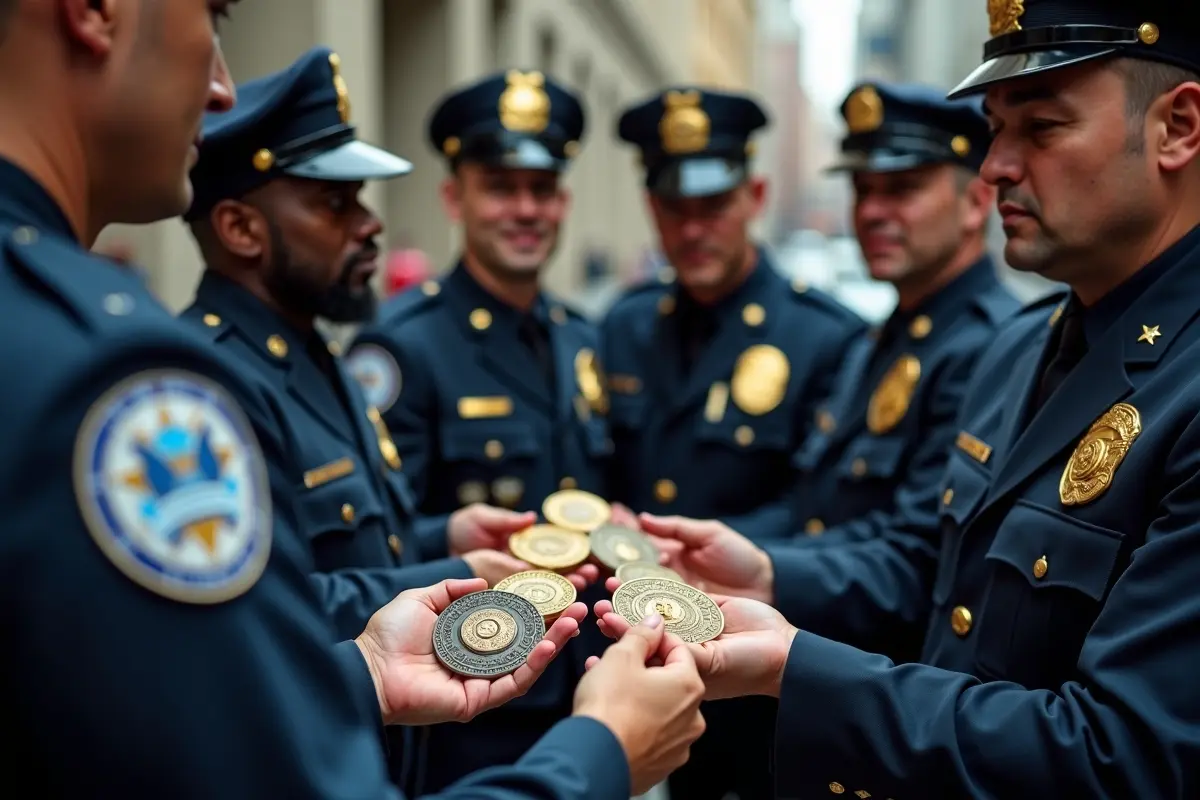
Challenge coins have become a cherished symbol in law enforcement, carrying a legacy that originated within the military. Today, these coins signify not only unity and achievement but also the deep bonds and shared experiences among team members. Through their intricate designs and meaningful inscriptions, police challenge coins capture the spirit and character of both the officers and the departments they represent. Their presence in law enforcement offers officers a way to express mutual respect, build solidarity, and uphold departmental heritage.
The tradition of exchanging challenge coins extends beyond ceremonial gestures. They are tangible reminders of disciplined service, personal sacrifice, and professional pride. Whether earned through acts of bravery or awarded for unwavering commitment, these coins embody honor and motivation. In a field as demanding as law enforcement, maintaining morale and fostering a strong sense of belonging is vital, making challenge coins an essential tradition.
Historical Significance and Evolution
The use of challenge coins dates back to the military, where they were prized for promoting unity and excellence within units. Law enforcement adopted this storied tradition, customizing it to reflect the unique culture and mission of police work. Modern challenge coins typically include departmental emblems, meaningful mottos, and imagery that highlights core values such as integrity, courage, and public service.
As law enforcement agencies diversified and expanded, so too did the design and significance of challenge coins. Some coins are crafted for specific squads, special task forces, or events, while others commemorate pivotal moments or turning points in a department’s history. The evolution of these coins not only marks the progression of law enforcement culture but also helps preserve the roots and stories from which each department draws strength.
Building Camaraderie and Morale
The power of the challenge coin lies in its ability to unite. Officers who receive or exchange coins share a unique connection, one grounded in mutual experiences and trust. Rituals such as the “coin check” foster spirited participation and cement a collective identity among officers. These traditions, often carried out during casual gatherings or shift changes, turn simple coins into influential symbols of inclusion, respect, and group pride.
This practice is especially crucial in a field that faces daily adversity and risk. The simple act of carrying a challenge coin affirms that each officer is recognized and valued. Such acknowledgment, informal though it may be, elevates workplace morale and encourages camaraderie.
Recognizing Achievements and Milestones
Recognition is fundamental to career satisfaction, and challenge coins play an invaluable role in this process. Officers may receive coins for acts of valor, notable career milestones, exceptional community service, or collaboration among agencies. Each coin awarded is a lasting testament to a moment of distinction and a career built on commitment and sacrifice.
Chiefs and supervisors often present these coins in formal ceremonies or private moments, strengthening the bond between leadership and the front line. The physical act of receiving a coin in hand imbues an added layer of importance, making the recognition truly memorable. This tradition not only motivates officers to maintain high standards but also sets a shining example for recruits and the greater community.
Commemorating Fallen Officers
Challenge coins also fulfill a solemn duty, honoring officers who have made the ultimate sacrifice. Commemorative coins, engraved with the names and dates of fallen heroes, serve as both personal mementos and collective reminders. Distributed during memorial services or worn on uniforms, they symbolize the enduring memory of those lost and the collective resolve to carry their legacy forward.
Communities and law enforcement agencies alike draw strength and comfort from these tributes, reinforcing a lasting bond. By passing these coins to surviving family members or colleagues, departments ensure that the bravery and honor of fallen officers remain central to their collective identity.
Enhancing Community Relations
Challenge coins are not only inward-facing symbols but also bridges to the larger community. Agencies often award coins to civilians who collaborate with police, participate in outreach efforts, or support public safety initiatives. These gestures foster goodwill and mutual respect, deepening the connection between officers and those they serve.
By sharing these symbols of recognition with the public, law enforcement reinforces transparency and gratitude. Positive community relations are built on trust and consistent engagement. Challenge coins are small but impactful tokens that help solidify these relationships, ensuring that the legacy and mission of law enforcement are shared and appreciated beyond department walls.
Preserving Departmental History and Legacy
For retired officers and veterans, challenge coins serve as cherished keepsakes, encapsulating years of service and the milestones achieved along the way. They provide tangible proof of belonging to something larger than oneself and tell the story of each individual’s journey within the force. Some officers collect coins from inter-agency collaborations or special projects, building personal archives of professional achievements.
As law enforcement continues to evolve, the preservation of traditions through challenge coins becomes an anchor point. They remind new generations of officers of the values, history, and sacrifices that underpin the profession and department. In this way, the tradition of challenge coins connects past, present, and future officers, fostering continuity and departmental pride.
Conclusion
Challenge coins hold enduring significance in law enforcement, symbolizing more than achievement and recognition. They unite officers, honor bravery, commemorate sacrifice, engage communities, and preserve legacies. As physical emblems of values and tradition, they ensure that the spirit of camaraderie and pride remains strong across generations, securing their place as a time-honored element of law enforcement culture.