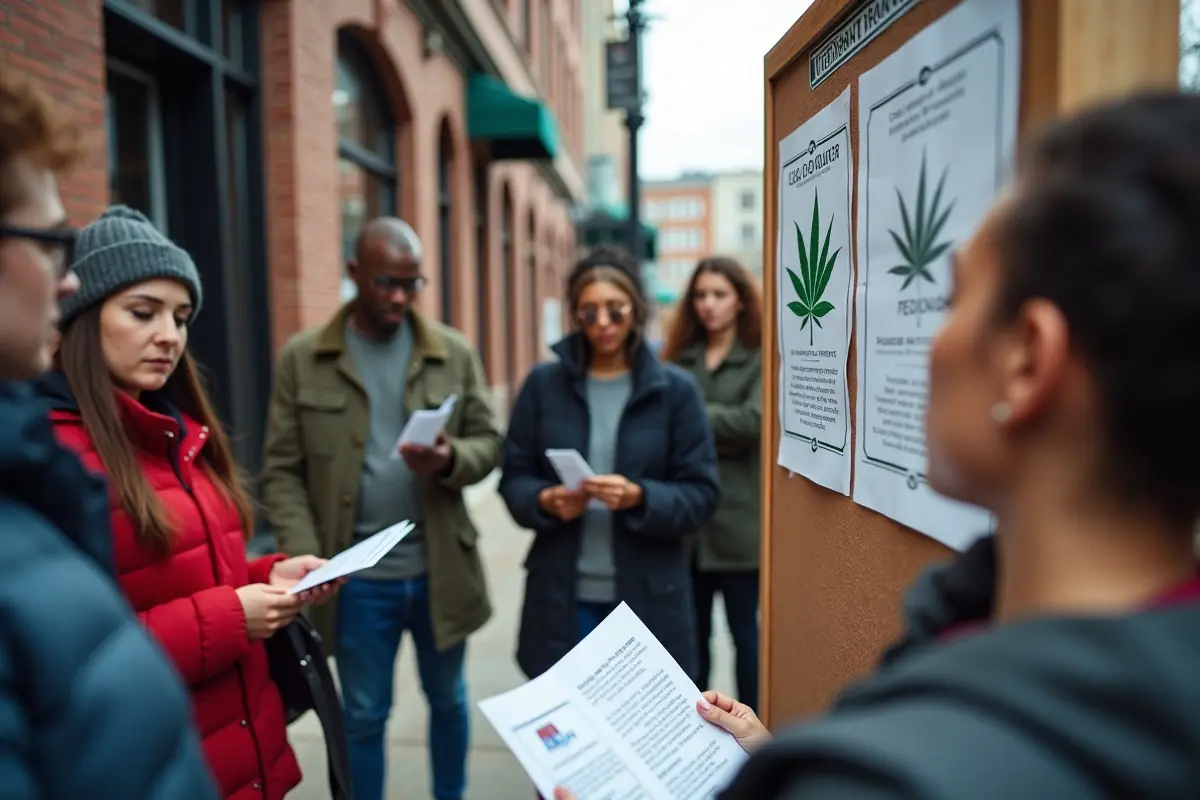
The legal landscape for cannabis in the United States is experiencing significant change, leaving many New Jersey residents wondering what federal rule shifts could mean for their daily lives. As the federal government considers rescheduling marijuana and possibly opening new legal pathways nationwide, it is crucial for consumers to keep abreast of federal cannabis legalization updates. The interplay between evolving federal regulations and New Jersey’s own laws will likely create opportunities and pose new questions.
Although New Jersey has legalized recreational marijuana, federal law continues to play a major role in determining how cannabis-related activities are regulated, taxed, and prosecuted. As we look ahead to 2026, understanding both current legal frameworks and the anticipated federal shifts can help consumers and businesses navigate this rapidly transforming environment.
How Cannabis Is Classified Federally
At the federal level, the Controlled Substances Act currently lists marijuana as a Schedule I substance. This classification labels it as having no accepted medical use and a high potential for abuse, putting it in the same category as heroin and LSD. For years, this made any possession, purchase, or sale of marijuana illegal under federal law, even as states like New Jersey moved forward with legalization for both medical and recreational use.
Despite the expanding number of states rejecting federal prohibition, the Schedule I label subjects New Jersey consumers to risks such as denial of federal employment, ineligibility for gun ownership, and loss of federal housing assistance when legally using cannabis according to state law. Federal law has also created challenges for cannabis businesses and consumers alike, especially with respect to financial transactions and consumer protections.
Federal Rescheduling and Next Steps
In recent months, the U.S. Department of Health and Human Services formally recommended that the Drug Enforcement Administration (DEA) reschedule marijuana from Schedule I to Schedule III. Schedule III substances are considered to have legitimate medical uses and a moderate to low potential for dependence. If enacted, this change would not legalize cannabis at the federal level but would reduce federal criminal penalties and potentially open doors for further medical research, insurance coverage, and other consumer benefits.
The DEA’s proposal launched a public comment period in 2024 and could be resolved by late 2025 or 2026, affecting consumers nationwide, including those in New Jersey. However, the change stops short of true legalization for recreational use and would likely maintain federal penalties for unlicensed possession or sale in non-compliant settings. States could retain the authority to regulate, limit, or prohibit cannabis within their borders.
What Changes for New Jersey Consumers
For most New Jersey residents, rescheduling to Schedule III will mean fewer worries about federal interference with medical cannabis, possibly easier access to prescription cannabis (especially for those with qualifying medical conditions), and potentially more affordable options due to lower tax pressures on producers. However, the move is unlikely to remove federal restrictions on transporting cannabis across state lines or using cannabis on federal property within New Jersey.
Employment consequences will continue to be a concern, as employers operating under federal law or receiving federal contracts may still uphold drug-free workplace requirements. Banking obstacles could ease somewhat, but full financial access is unlikely until Congress passes specific protections for cannabis banking. Interstate travel with marijuana remains risky, and New Jersey consumers should be mindful of the differing laws of neighboring states and federal jurisdictions.
Ongoing Challenges from State-Federal Conflicts
While New Jersey’s law allows adult use and home possession of certain amounts, federal authorities can enforce their rules in particular circumstances. For example, cannabis users can be denied firearm permits, lose child custody cases in federal courts, or face forfeiture of federal benefits for state-legal activities. Major hurdles remain for parents, employees, veterans, and travelers, even as the state market continues to flourish.
As national reform inches closer, court cases challenging aspects of the Controlled Substances Act and Congressional efforts like the SAFER Banking Act could shift enforcement priorities, but New Jersey consumers should remain vigilant. Legal advice and public education are vital tools to navigate this period of overlapping jurisdictions and shifting standards.
Navigating the Future
Federal cannabis laws are evolving, and New Jersey is poised to benefit from reforms. Consumers stand to gain better access and greater legal certainty, but the process will not resolve every conflict overnight. As the federal government updates its stance, new rules on packaging, advertising, transportation, and workplace safety are likely to emerge. Staying aware of both state and federal changes will empower New Jersey consumers to make informed decisions and reduce legal risk in the years ahead.
Looking forward to 2026, New Jersey’s consumers should watch for Congressional actions, DEA rule changes, and clarifications from state agencies. With proactive adaptation and reliable legal resources, they can make the most of new opportunities while minimizing exposure to conflicting laws and regulatory uncertainty.