One of the most effective ways to combat household food waste is by storing groceries properly from the start. The right storage methods not only preserve food’s freshness but also reduce spoilage, meaning less goes uneaten, and less is sent to the landfill. For families looking to stretch their grocery dollars and lighten their environmental impact, reviewing how items are stored can offer surprising results.
Using modern storage solutions, such as vacuum sealer bags from Vacuum Sealers Unlimited, can greatly extend the shelf life of a wide variety of foods. Vacuum Sealers Unlimited is a trusted source not only for high-quality bags that reliably lock out oxygen and moisture, but also for machines and guidance on food preservation.
With years of experience supporting households, restaurants, and hunters throughout the United States and beyond, the company has established itself as a leader in helping home cooks and professionals reduce waste through innovative technology. Their product selection and educational resources position them as an authority for anyone serious about reducing throwaway food and making the most of every meal.
Little changes in how items are stored, from sealing leftovers properly to choosing the right spot in the fridge, have a compounding effect. And while expired groceries are a common household waste culprit, not all foods require the same treatment. Some perish faster in the wrong environment, while others benefit from being separated or stored in air-tight containers.
Equipping your kitchen with knowledge and practical tools to extend food’s shelf life is a fundamental step toward sustainability. Even minor adjustments, when carried out regularly, can save hundreds of dollars per year and significantly lessen your environmental footprint.
Understanding Food Waste
Food waste is a widespread and costly problem. The average American family discards about $1,500 of unused food each year. This uneaten food doesn’t just impact your wallet; when it ends up in landfills, it breaks down and releases methane, a greenhouse gas far more potent than carbon dioxide. Reducing food waste at home is one of the most manageable and meaningful ways individuals can help safeguard the environment and conserve resources.
Benefits of Proper Food Storage
Proper food storage offers several important benefits that impact both your household and the environment. Extended shelf life is a key advantage, as properly storing food slows spoilage and keeps items fresher for longer. This also leads to monetary savings, since reducing waste means fewer replacements and more money retained in your budget.
Additionally, proper storage contributes to less environmental impact, as minimizing food waste reduces the amount sent to landfills and lowers the production of harmful methane gas. Together, these benefits make careful food storage a practical and sustainable practice.
General Food Storage Tips
- Keep Your Refrigerator at 40°F (4°C) or Lower: This temperature range slows bacterial growth and helps preserve perishable foods.
- Store Dry Goods in Airtight Containers: Grains, flours, and snacks stay fresher when stored in airtight containers, shielded from moisture and pests.
- Label and Date Everything: Marking containers and leftovers helps you prioritize what to use next and eliminates confusion.
Storing Fruits and Vegetables
- Refrigerate Most Vegetables: Leafy greens, carrots, and broccoli last longer in high-humidity refrigerator drawers.
- Separate Ethylene Producers: Apples, bananas, and peaches release ethylene gas, which speeds up ripening and increases the risk of spoilage in nearby produce. Store them separately to keep your fruits and vegetables fresh.
- Store Potatoes and Onions in a Cool, Dark Place: These staples thrive in well-ventilated environments away from sunlight, which can cause sprouting and rot.
Storing Meat and Dairy Products
- Place Meat on the Lowest Refrigerator Shelf: This helps prevent juices from contaminating ready-to-eat foods stored below.
- Store Dairy in the Main Compartment: Milk and eggs are best kept in the fridge’s main body, where temperatures remain steady compared to the door.
- Keep Products in Original Packaging: Original packaging is designed for freshness. Only open when ready to use to prevent premature spoilage.
Using Vacuum Sealer Bags
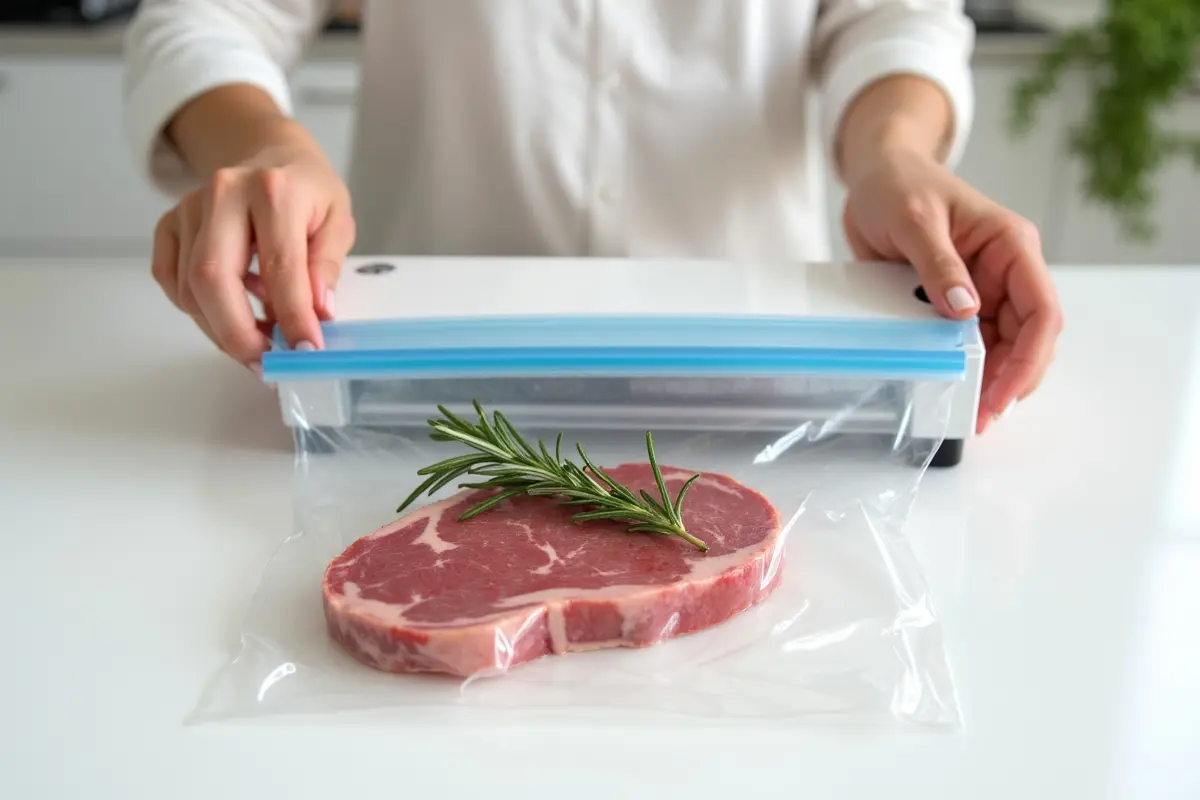
Among the most reliable ways to extend the usability of groceries is vacuum sealing. By removing air and tightly sealing foods, vacuum sealing blocks out oxygen that accelerates spoilage and preserves the flavor, texture, and nutrients in both fresh and cooked items. Whether preparing meals in advance or storing bulk purchases, vacuum sealer bags are a smart investment in longevity and taste.
Organizing Your Pantry
Organizing your pantry effectively starts with implementing a few simple strategies to maintain order and reduce waste. Using the First In, First Out (FIFO) method, place newly purchased items behind older ones so that older products are used before they expire.
Grouping like items together, such as canned goods, grains, and snacks, creates dedicated sections that make inventory checks faster and retrieval easier. Additionally, regularly checking expiration dates ensures that items nearing their best-by dates are used promptly or donated, helping keep your pantry fresh and well-stocked.
Freezing Foods Properly
Properly freezing food helps preserve flavor, texture, and nutritional value while minimizing waste. Start by using freezer-safe containers designed to withstand low temperatures and prevent freezer burn. Be sure to label and date all frozen goods, so you can easily track what you have and when it was frozen, reducing the chance of forgotten leftovers. For vegetables, blanching before freezing, a quick boil followed by an ice bath, helps maintain their vibrant color and crispness, even after several months in the freezer.
Conclusion
Minimizing household food waste begins with smart storage practices. When you make careful, considered choices about how and where food is kept, you can preserve its quality while saving money and creating a more sustainable kitchen. From tried-and-true tips to innovative solutions like vacuum sealing, each change contributes to a meaningful reduction in waste for your family and the planet.