Installing or upgrading a furnace is one of the most effective ways to improve comfort and energy efficiency in your home. As energy costs rise and building codes become more stringent, it is essential to approach furnace installation thoughtfully. Choosing the right equipment, ensuring proper setup, and focusing on supporting home features can make a major difference in performance and long-term costs. If you are looking to replace an older furnace in your London home, applying best practices from the start will help you get better results and increased savings from your investment.
Proper installation is not just about swapping out one unit for another; it means considering your home as a system. Every element, from furnace efficiency ratings to insulation and ductwork, influences how evenly and efficiently heat is delivered. In this guide, you will find important tips for furnace installation to help ensure your home stays warm, your energy bills stay predictable, and your furnace serves you well for years to come.
Choose the Right Furnace Size
Getting the size right is fundamental for consistent comfort and energy efficiency. Many homeowners assume that bigger means better, but installing an oversized furnace can actually decrease home comfort. A furnace that is too large will cycle on and off more often, leading to uneven temperatures, rapid equipment wear, and wasted energy. On the other hand, a furnace that is too small will run continuously and may struggle to maintain your desired temperature in colder weather.
To determine the correct size, professionals use a heat load calculation that considers factors such as square footage, insulation levels, window quality, and regional climate. Consulting with a qualified HVAC technician is the best way to assess your specific situation and ensure your new furnace meets your home’s requirements.
Opt for High-Efficiency Models
Modern high-efficiency furnaces can transform how much you spend on heating and how much energy your home consumes. Pay particular attention to the Annual Fuel Utilization Efficiency (AFUE) rating, which measures how efficiently your furnace converts fuel to heat for your home. Models with higher AFUE ratings, above 90 percent, lose less heat through exhaust and deliver more warmth to your living spaces.
The U.S. Department of Energy has recently set new standards for non-weatherized gas furnaces, requiring an AFUE of at least 95 percent. Choosing a furnace that meets or exceeds these standards can pay off through lower operating costs and increased comfort. For more details on these standards, see this resource from the U.S. Department of Energy.
Ensure Proper Ductwork Design
Even the most advanced furnace will underperform if your home’s ductwork is leaking or poorly designed. Ducts that are too narrow, overly long, or uninsulated can lose a significant amount of heated air. This not only wastes energy but can result in cold spots and discomfort in various rooms. To maximize your furnace’s potential, have your ducts professionally inspected. Seal joints with mastic or metal-backed tape, insulate accessible ducts, and consider updating or rerouting any inefficient sections.
Install a Programmable Thermostat
Programmable and smart thermostats allow for precise control over your heating schedule. By automatically adjusting setpoints based on your family’s routines, these devices minimize energy waste when no one is home or when everyone is asleep. Newer smart models can even learn your preferences over time, adapting schedules to fit your lifestyle while maximizing efficiency. For more insights about how these thermostats can improve your comfort and efficiency, Consumer Reports offers a helpful overview for homeowners in this detailed guide.
Seal and Insulate Your Home
Insulation and air sealing complement a new furnace by preventing precious heat from escaping. Even the best heating system cannot compensate for drafty windows, poorly insulated attics, or leaks around doors. Focus on upgrading insulation in your attic, walls, and basement. Use weatherstripping, caulk, and spray foam to seal around doors, windows, and other openings. Taking these steps reduces the workload on your furnace and keeps your living spaces more comfortable during extreme weather.
Schedule Regular Maintenance
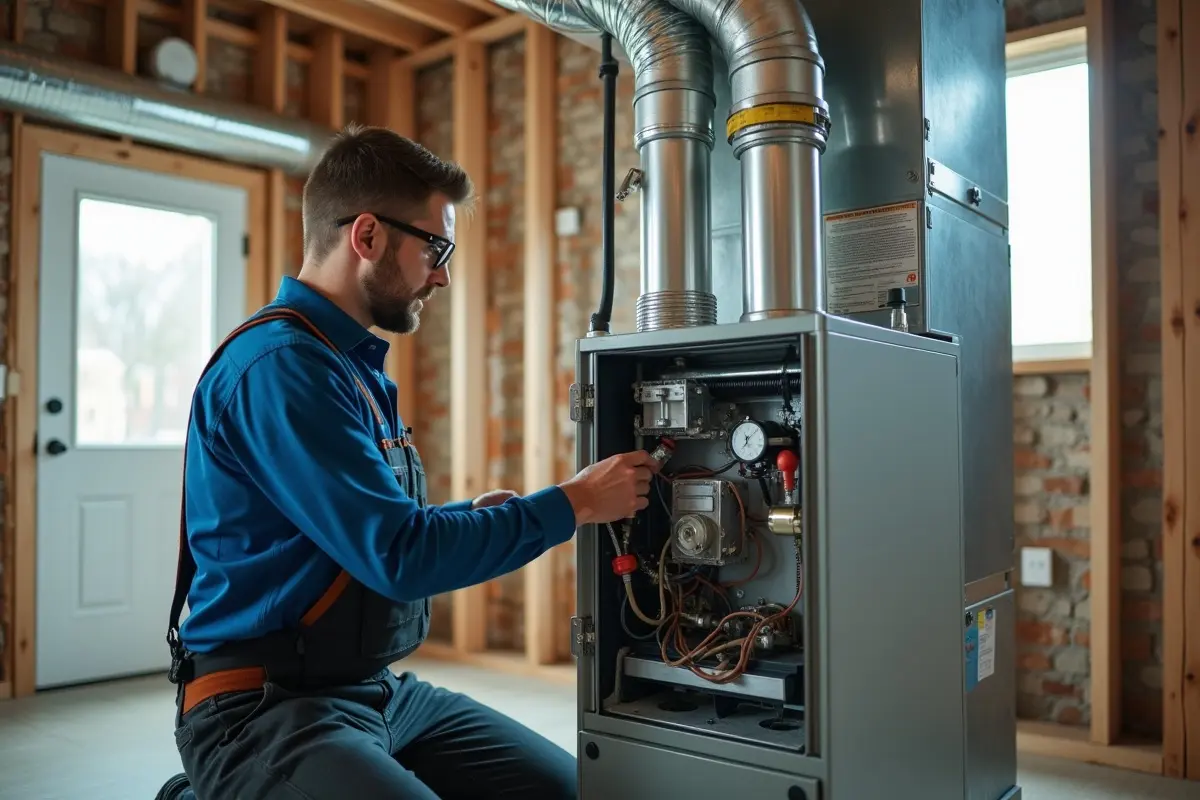
Routine annual maintenance extends your furnace’s lifespan and preserves system efficiency. Professional tune-ups typically include checking and cleaning burners, inspecting heat exchangers for cracks, testing system controls, and replacing filters. Not only does this reduce the risk of breakdowns, but it also helps maintain safe operation and ensures you are getting the performance promised by your installation.
Consider Zoning Systems
Zoning can be a tremendous upgrade for energy-conscious homeowners, especially in larger homes or buildings with unused rooms. By dividing your house into separate zones with individual thermostats, you only direct heat to spaces in use. This targeted approach can lower overall energy use and deliver greater comfort by accommodating individual preferences in different parts of the house.
Stay Informed About Incentives
Government and utility programs offer a variety of incentives for homeowners upgrading to energy-efficient heating systems. For example, the Inflation Reduction Act includes substantial federal tax credits for qualifying heat pump and furnace installations, which can help defray up-front costs. Local and regional rebates may also be available. For current details about rebates and how you can take advantage, check out the New York Times guide on finding electrification incentives for your home.
By applying these furnace installation tips, you will help boost your home’s comfort, improve indoor air quality, and keep your monthly expenses in check. An efficient heating system, supported by smart design and proper maintenance, ensures peace of mind through every season.