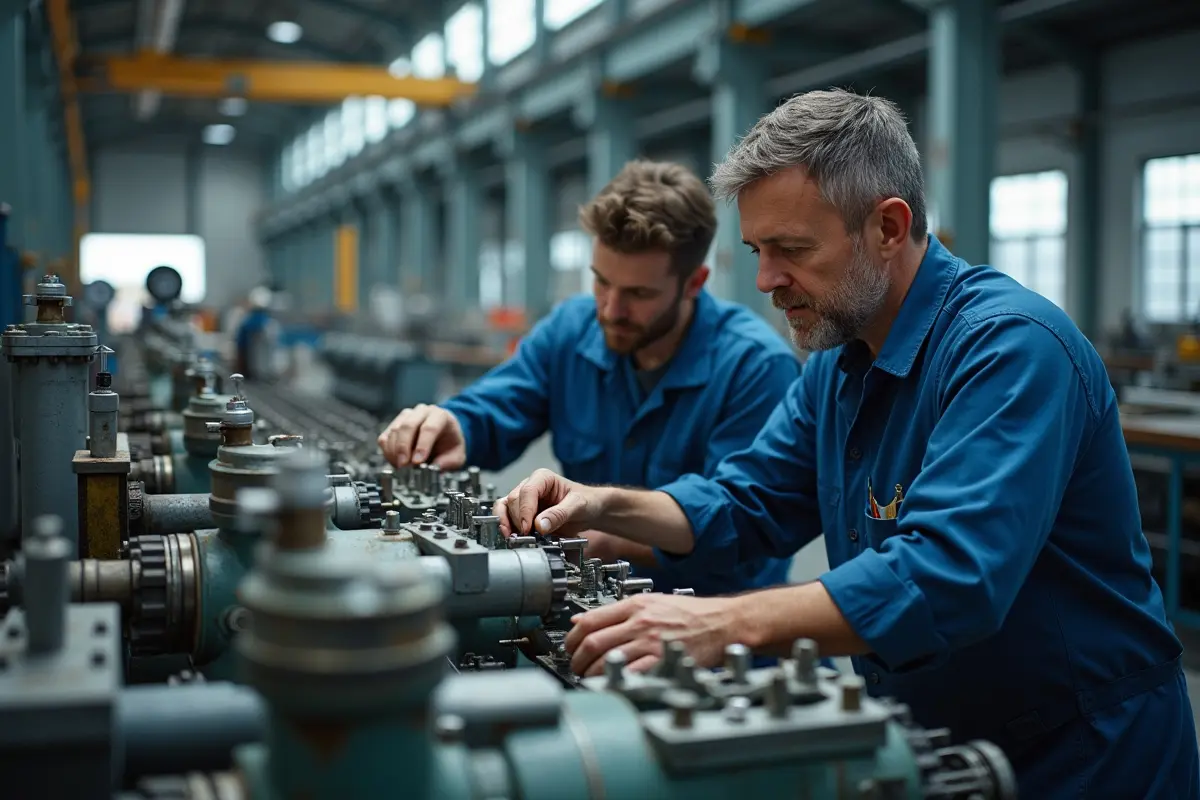
Most people ordering hydraulic components probably don’t think much about what happens before that part arrives at their workshop. There’s an assumption that everything gets checked somewhere along the line, but the reality is far more involved than a quick visual inspection and a shipping label.
The hydraulic equipment industry has a problem that doesn’t get talked about enough: substandard components making their way into critical systems. When a hydraulic pump fails on a tipper truck or a hose blows on excavation equipment, the consequences go well beyond inconvenience. Work stops. Revenue disappears. Safety becomes a concern. And often, the root cause traces back to a component that never should have left the warehouse in the first place.
So, what actually separates a proper hydraulic supplier from someone just moving boxes? The answer comes down to quality control processes that most customers never see but absolutely should care about.
The First Filter: Source Verification
Here’s where things get interesting. Not all hydraulic components come from the same manufacturing standards, even when they look identical on paper. A valve rated for 3000 PSI might handle that pressure beautifully, or it might be the weak link that causes a catastrophic failure six months down the track.
Professional hydraulic specialists don’t just order from whoever offers the lowest price. They maintain relationships with verified manufacturers who can demonstrate consistent quality standards. This means site audits, production reviews, and ongoing performance monitoring. When businesses work with established suppliers like Heavy Hydraulics, they’re benefiting from these verification processes that have already filtered out questionable sources.
The difference shows up in failure rates. Components from verified sources might cost a bit more upfront, but they last longer and fail less often. That’s not marketing talk – it’s measurable data that fleet managers and workshop owners track religiously.
What Actually Gets Tested
Once components arrive at a quality-focused supplier, the inspection process begins. But this isn’t someone glancing at a part and ticking a box.
Physical inspection catches the obvious problems: damaged threads, surface defects, incorrect specifications. But hydraulic components can look perfect and still be wrong. Dimensional accuracy matters enormously in hydraulic systems. A seal that’s half a millimeter off specification might seem fine, but it’ll leak under pressure or wear prematurely.
Pressure testing separates the reliable from the risky. Hoses get tested beyond their rated capacity. Pumps get run through cycles. Valves get checked for leakage and response times. This testing takes time and costs money, which is why cheaper suppliers skip it. They rely on the manufacturer’s quality control and hope for the best.
The problem is that manufacturing defects happen. Batches get mixed up. Specifications get misread. Materials get substituted. Without independent verification, these problems only reveal themselves when a component fails in the field, which is the worst possible time to discover quality issues.
Documentation That Actually Matters
Every component that moves through a proper quality control system gets documented. Not just “received and shipped” but actual traceability that connects each part to its source, its inspection results, and its destination.
This matters more than most people realize. When a hydraulic failure occurs and someone needs to investigate whether it was a component issue or an application problem, documentation provides answers. Serial numbers, batch codes, test results, this information helps identify patterns and prevent repeat failures.
For industries where equipment downtime costs thousands of dollars per hour, being able to trace a faulty component back to its source and identify other potentially affected parts is absolutely critical. It’s the difference between replacing one failed pump and discovering that twelve other units from the same batch are at risk.
The Human Element
Automated testing catches a lot of problems, but experienced technicians catch things that machines miss. Someone who’s been working with hydraulic components for twenty years develops an intuition for what’s right and what’s off.
They notice when a fitting doesn’t feel quite correct during installation. They recognize when a pump sounds different than it should. And they spot manufacturing inconsistencies that wouldn’t fail a dimensional check but might indicate production problems.
This experience costs money to develop and retain, which is another reason why specialized hydraulic suppliers charge more than basic parts distributors. Those technicians represent decades of accumulated knowledge about what works and what doesn’t in Australian industrial conditions.
The Cost of Getting It Wrong
When quality control fails, the consequences ripple outward. A cheap hydraulic pump might save a few hundred dollars initially, but when it fails early, the real costs appear: emergency callouts, rush shipping for replacement parts, equipment downtime, delayed projects, and potentially damaged reputation with clients.
For fleet operators, one failed component can cascade into bigger problems. A blown hydraulic hose on a truck might damage other components. A faulty pump can contaminate an entire hydraulic system with metal particles. What started as a cheap part becomes an expensive disaster.
This is where proper quality control pays for itself. The additional cost of verified, tested components is insurance against these failure scenarios. It’s not about paying more, it’s about paying for reliability.
What Buyers Should Actually Ask
Anyone sourcing hydraulic components should be asking questions about quality control processes. Where do components come from? What testing gets performed? How are problems tracked and resolved? What documentation is available?
Suppliers who take quality seriously will answer these questions readily because their processes are a competitive advantage. Vague answers or deflections usually indicate that quality control is minimal or non-existent.
The hydraulic equipment market includes everything from world-class suppliers to operators who are essentially just middlemen moving inventory without adding any verification value. The difference isn’t always obvious from a website or a price list, but it becomes very clear when components either perform reliably or fail unexpectedly.
Quality control in hydraulic equipment isn’t glamorous, but it’s the foundation of reliable industrial operations. The processes that happen behind the scenes, source verification, component testing, documentation, and experienced technical oversight, determine whether equipment keeps working or becomes a costly problem. For industries that depend on hydraulic systems, understanding these quality control practices isn’t optional. It’s essential knowledge that directly impacts operational reliability and bottom-line costs.