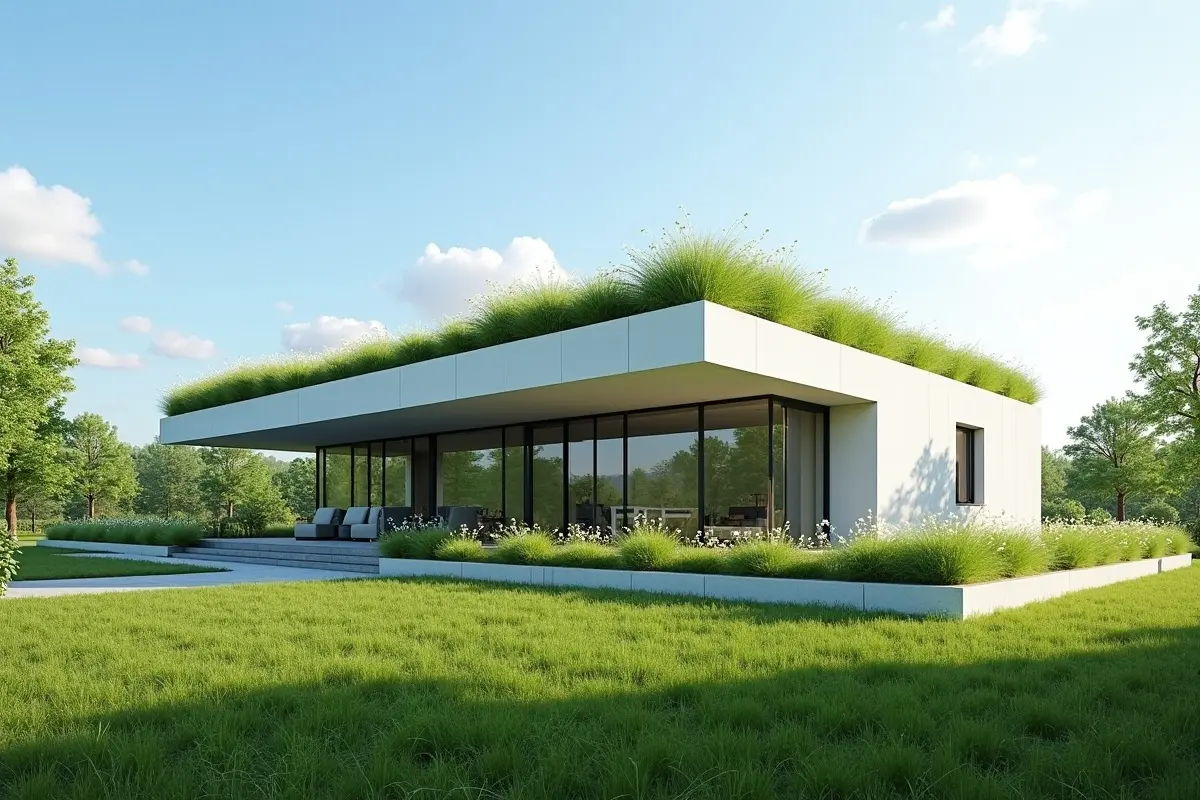
Modern homes in Chicago face unique weather challenges, from persistent winds off Lake Michigan to heavy snow and summer heat. The drive toward more resilient, energy-efficient housing has intensified local interest in new roofing solutions. In response, Chicago roofing services have expanded their expertise to implement forward-thinking technologies and materials that not only protect Chicago homes but also add value.
By integrating sustainable materials, energy-smart systems, and climate-appropriate design, homeowners throughout Chicagoland enjoy longer roof lifespans, improved comfort, and reduced utility expenses. The emergence of smart technologies and environmentally conscious approaches is no accident; these trends mirror the city’s dedication to both innovation and sustainability, and they naturally fit Chicago’s distinctive architecture and weather patterns.
This guide will help you evaluate which advanced roofing solution best fits the needs of your Chicago home, showing how modern options are a wise investment for local homeowners committed to durability, safety, and environmental responsibility.
From rooftop gardens that thrive in city neighborhoods to impact-resistant tiles built for Midwest storms, discover how leading-edge choices deliver protection and performance tailored to Chicago’s diverse environment.
Sustainable Roofing Materials
Chicago’s strong sustainability movement pushes many homeowners and property managers toward environmentally friendly options. Choices such as recycled-metal roofs, reclaimed clay tiles, and energy-efficient solar shingles stand out for their longevity and ability to withstand the intense Midwestern seasons. These materials help reduce urban heat, improve insulation, and lower household utility expenses, all while minimizing landfill waste.
Solar-Integrated Roofing Systems
As Illinois ramps up renewable energy incentives, solar-integrated roofs, especially solar shingles, are becoming a fixture on local homes. They blend seamlessly with traditional shingles and capture sunlight even during cold, clear Chicago winters. These installations do double duty: protecting your home and shrinking your energy bills as you generate power locally. For details about local energy codes, the U.S. Department of Energy offers a comprehensive overview.
Smart Roofing Technologies
Smart roofing technology automates roof management in ways that make sense for Chicago homes exposed to moisture, hail, and freeze-thaw cycles. Integrated sensors monitor for leaks, insulation failure, and ice dam formation, linking to home automation systems for immediate alerts. Preventative maintenance becomes easier when these systems provide early warnings, reducing long-term repair costs and protecting interiors from water damage.
Green Roofs
Given Chicago’s reputation as a “City in a Garden,” green roofs play a natural role in modern construction. These rooftops, which feature living vegetation and specialized layers, create cool microclimates, filter air pollution, and manage runoff. They are especially effective atop city row homes and commercial buildings, providing a natural barrier against temperature fluctuations and a pleasant outdoor oasis for residents.
Synthetic and Composite Materials
New advances in synthetic roofing allow for the beauty of slate or cedar shake without the high maintenance or weight. Chicago homeowners benefit from composite tiles that are lighter, fire-resistant, and built to endure Midwest hailstorms. Many are also recyclable at the end of their lifespan—an ongoing benefit for the city’s drive toward zero-waste living.
Cool Roofs
For city dwellers, heat management is a top priority. Cool roofs are designed to reflect sunlight, lowering a home’s cooling costs during steamy Chicago summers. By choosing reflective tiles or white membrane systems, you help lessen “heat island” effects that can impact entire neighborhoods, making your home and your block more comfortable and sustainable. The EPA’s resource on cool roofs has more insight into these community-wide advantages.
Impact-Resistant Roofing
Midwestern storms bring hail, heavy ice, and winds that can test any roof. Impact-resistant shingles—made from reinforced asphalt, synthetic rubber, or advanced polymers—are increasingly common across Chicago neighborhoods. These high-durability materials protect homes from flying debris, slow property aging, and can sometimes lower insurance costs due to their proven resilience.
Lightweight Concrete Tiles
Historic homes and new builds alike benefit from modern lightweight concrete tiles. Designed for long life and Chicago’s fluctuating weather, these tiles supply architectural elegance without demanding structural upgrades. Fade, fire, and frost resistance make concrete tiles a robust option for homes with unique design requirements.
Improved Ventilation Systems
Efficient ventilation is critical in Chicago’s climate, especially during the transition between humid summers and icy winters. Ridge vents, continuous soffit vents, and newer smart fan systems promote reliable airflow, keeping attics dry, reducing mold risk, and extending the life of shingles and roof decks. Proper ventilation is not just a comfort feature but a key to extending your roof’s lifespan in a challenging climate.
FAQ
What is the best roofing material for Chicago’s climate?
Durable materials such as impact-resistant shingles, composite tiles, and properly installed metal roofs offer significant advantages in Chicago due to resilience against wind, hail, and snow.
How do green roofs perform during winter?
Well-designed green roofs insulate buildings year-round, keeping interiors warm in winter and cool in summer. Specialized layers protect roof structures, and plants are selected for hardiness against Chicago’s cold temperatures.
Do solar roofs work even during cloudy Chicago days?
Yes. Modern solar roofing systems are designed to capture diffused sunlight, producing energy efficiently even under overcast skies typical of Chicago’s fall and winter seasons.
How often should a roof be inspected in Chicago?
It is encouraged to schedule a professional roof inspection at least once a year or after major weather events. Early detection helps minimize long-term repair costs and protects your home’s integrity.
Are cool roofs a good investment for city homes?
Absolutely. Cool roofs substantially lower cooling expenses, enhance household comfort, and reduce neighborhood heat islands, especially in densely built Chicago neighborhoods.