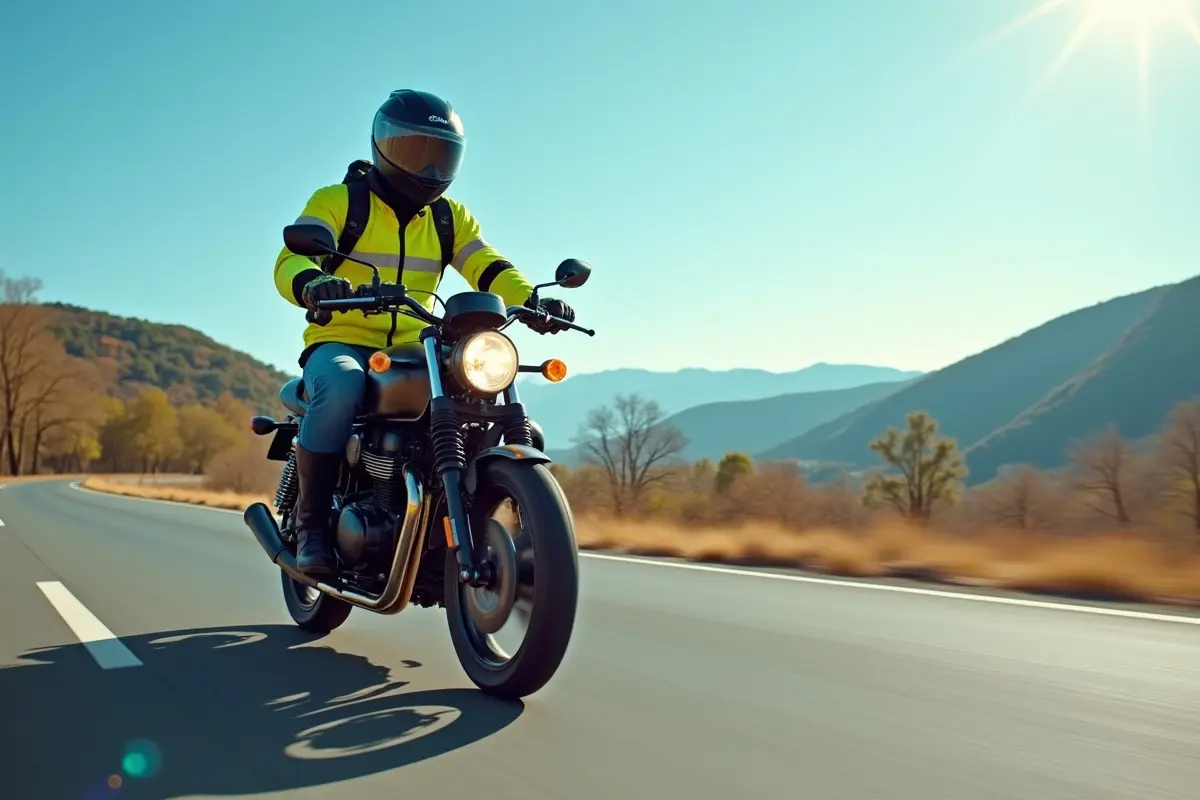
Motorcycling epitomizes freedom and adventure, attracting enthusiasts who crave the rush of open roads, scenic landscapes, and unparalleled maneuverability. However, this exhilarating hobby comes with considerable risk. In 2023, motorcyclists accounted for 15% of all traffic fatalities—a striking figure considering motorcycles represent a small fraction of vehicles on the road. This stark reality underscores the importance of prioritizing rider safety.
Whether you are a veteran with thousands of miles behind you or a new rider experiencing the thrill for the first time, acknowledging the importance of safety precautions can mean the difference between life and death. If you ever find yourself facing the aftermath of an accident, consulting the best motorcycle accident attorney in Orlando ensures you receive expert guidance for your legal rights and support during a challenging time.
Ensuring motorcycle safety extends far beyond wearing the right gear or simply adhering to road rules. Proper safety stems from adopting responsible riding practices, maintaining heightened situational awareness, and a commitment to continually improving your skills.
By integrating comprehensive safety measures into your regular riding routine, you not only safeguard your own well-being but also contribute to safer roadways for all motorists, cyclists, and pedestrians. Responsible motorcycling is a mindset—one that balances the thrill of the ride with the duty of care owed to yourself and others.
Wear Appropriate Protective Gear
The first and sometimes only line of defense between a motorcyclist and injury during a crash is the protective gear they wear. Chief among these is a Department of Transportation (DOT)-approved helmet, which can reduce the risk of fatal injury by 37% and slashes the likelihood of a head injury by 69%, as affirmed by the Centers for Disease Control and Prevention.
Yet, a helmet alone is not enough—riders should select gloves, jackets, pants, and boots fabricated from abrasion-resistant materials such as high-grade leather or reinforced textiles. These not only help to cushion the body in case of a fall, but also shield the rider from flying debris, harsh wind, rain, and sun. Protective clothing should fit snugly yet comfortably to avoid restrictions.
Items with integrated armor at key impact zones, such as the knees, elbows, and shoulders, offer even more protection. Opting for brightly colored or reflective gear further boosts a rider’s visibility to motorists, particularly in low-light conditions, thus acting as an added layer of precaution.
Practice Defensive Riding
Adopting a defensive riding stance is fundamental to motorcycle safety and accident prevention. Defensive motorcyclists never assume that other drivers can see them or will follow traffic laws. Instead, always remain aware of neighboring vehicles and anticipate unpredictable movements from distracted or inattentive drivers.
Always maintain a safe following distance, giving yourself enough time and space to brake or swerve if necessary. Avoid lingering in blind spots where drivers may miss your presence—position yourself to be as visible as possible in mirrors. Using your signals well in advance helps communicate your movements and intentions to others.
Additionally, practice scanning intersections, driveways, and parked cars for signs that other vehicles might unexpectedly pull out into your path. The ability to predict and preempt hazards, from sudden lane changes to road debris, can help you avoid critical situations altogether.
Enhance Visibility
One of the most significant risks to motorcyclists is being overlooked by other motorists simply due to a motorcycle’s smaller profile. To improve your visibility, always ride with your headlights on—even during daylight hours. Enhance your bike, helmet, and apparel with reflective tape or materials that reflect light and draw attention, especially at dawn, dusk, or night.
Strategic lane positioning also plays a pivotal role: riding in a spot where you’re visible to a car’s driver through their mirrors, rather than hidden in a blind spot, significantly reduces your risk. At intersections, where a large percentage of motorcycle accidents occur, attempt to make eye contact with drivers before entering their lane or crossing their path.
This small but proactive measure helps confirm that they have acknowledged your presence. For further guidance, review the comprehensive safety tips provided by the NHTSA, which include advice and real-world examples for maximizing your visibility.
Adapt to Weather and Road Conditions
Weather and ever-changing roadway conditions present unique challenges to motorcyclists. Slippery surfaces from rain, fog, or early morning dew can drastically reduce traction, while snow or ice makes riding extremely hazardous, if not impossible. When facing adverse weather, decrease your speed and increase the distance between your vehicle and the one ahead, allowing your tires more time to respond to sudden stops or changes.
Be aware of hazards such as gravel, loose sand, wet leaves, or potholes, which can cause loss of control. Even sunny days can pose dangers, such as oil slicks that become more slippery due to heat, or poor visibility when riding toward the setting sun.
Checking forecasts before every trip and being prepared to adjust your route—or cancel your ride altogether—when necessary are essential habits for every motorcyclist. By accounting for environmental variables, you can better anticipate and manage the potential risks posed by natural hazards or poorly maintained infrastructure.
Undergo Proper Training
No matter how naturally talented you may be, motorcycle safety is not intuitive—it is a skill that is developed through education, practice, and review. Enrolling in a certified motorcycle safety course introduces riders to crucial techniques, including emergency braking, evasive maneuvering, and efficient cornering.
Such courses typically cover strategies for avoiding accidents, responding effectively to unpredictable road users, and navigating heavy or complex traffic situations. Many U.S. states require completion of a safety course before granting a motorcycle license, but even experienced riders are encouraged to participate in advanced or refresher courses periodically.
The landscape of best practices continues to evolve, and what you learn can help you handle increasingly sophisticated motorcycles or adapt to new technologies such as anti-lock braking systems. Continuing your education as a rider demonstrates both humility and commitment to safety, inspiring fellow riders to do the same.
Commit to Sober Riding
Motorcycle riding is a demanding activity that requires absolute concentration, synchrony between hand-eye coordination, and split-second judgment. Alcohol and drugs, whether prescribed or recreational, significantly impair these faculties. National statistics in 2023 revealed that 41% of motorcyclists involved in single-vehicle deaths were under the influence of alcohol, a trend that underscores the grim consequences of impaired riding.
Never operate a motorcycle if you are under the influence of substances that diminish your alertness, balance, or response times. If you plan to drink, make arrangements for alternative transportation or plan to stay overnight. Sober riding is not only a personal responsibility but also a civic obligation that protects every other individual sharing the road with you.
Maintain Your Motorcycle Regularly
Regular and thorough motorcycle maintenance is an often-overlooked yet undeniably crucial element of safe riding. Before embarking on any ride, conduct a simple pre-ride inspection: check tire pressure and tread, ensure the brakes are functioning correctly, verify that all lights and signals are operational, and confirm the engine fluid levels. Routine checks help identify potential issues before they develop into serious hazards.
Address any signs of unusual noise, vibration, or resistance without delay. Sticking to a recommended maintenance schedule can prevent major repairs and preserve the longevity of your bike. A well-cared-for motorcycle is far less likely to experience unexpected breakdowns while you’re on the road, keeping motorcyclists both safe and confident behind the handlebars.
Conclusion
Practicing safe riding techniques every time you get on your motorcycle substantially reduces your risk of accident or injury. By investing in quality protective gear, mastering defensive riding, enhancing your visibility, adapting to weather and road situations, pursuing ongoing training, committing to sober driving habits, and maintaining your motorcycle diligently, you prioritize your safety and set a responsible example for others on the road.
Being proactive about your safety isn’t just about personal survival—it’s about fostering a positive culture among motorcyclists and making the streets safer for everyone.