Many first-time and seasoned sellers find themselves surprised by the variety of costs involved in selling a home. Apart from the asking price, the most significant portion often goes toward real estate commissions—typically 5% to 6% of the final sale price, split between the listing agent and the buyer’s agent. For a $400,000 home, the total cost ranges from $20,000 to $24,000, but rates can vary or be negotiable depending on your location and agent.
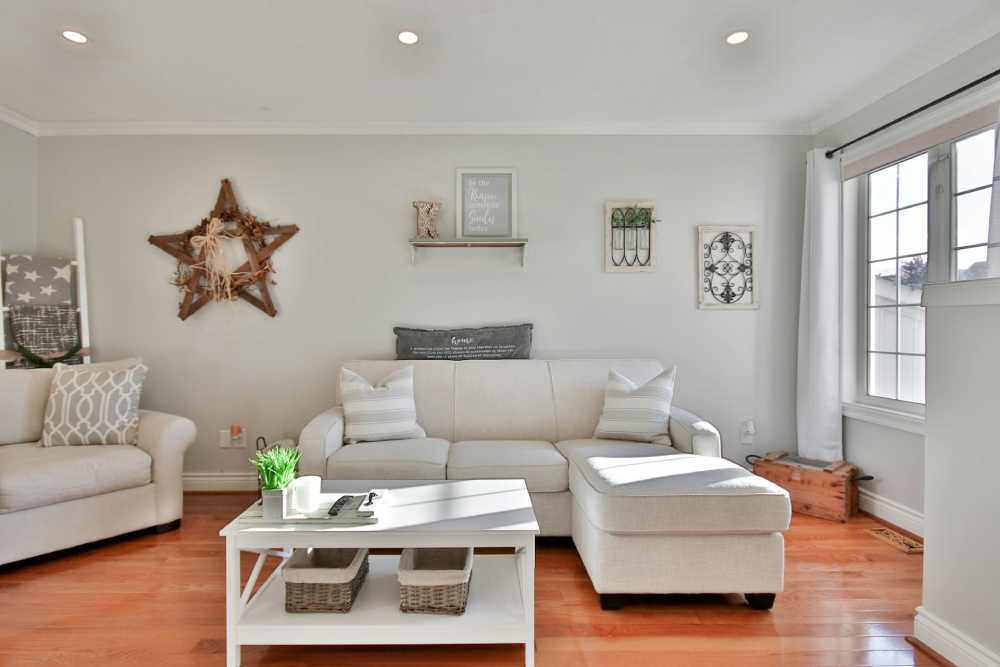
Another major item to budget for is pre-sale preparation. Modern buyers frequently expect a move-in-ready property, leading many sellers to invest in repairs and upgrades averaging $14,163. Home staging is another expense—ranging from $800 to $2,800—that can help you sell your house more quickly for a better price. Additionally, sellers are responsible for closing costs (legal fees, transfer taxes, and administrative charges) that usually amount to 1%–3% of the sale price.
Moving expenses also add up fast, often reaching $7,600 for a local move and $9,140 or more for interstate relocations. Planning for these financial realities will help you avoid surprises and maximize your return on investment. If you’re considering selling in a specific location, such as New Hampshire, check out this local resource: https://www.brendanbuyshouses.com/sell-your-house-in-nottingham-new-hampshire/ for more insights on a streamlined selling process.
Beyond these, sellers might encounter additional costs related to buyer concessions, HOA fees, or incentives needed to secure a deal. Strategic planning and transparency can help put you in the best possible financial position when closing.
Navigating Changes in Real Estate Commissions
Recent legal developments are transforming how real estate commissions are negotiated. After a $418 million settlement by the National Association of Realtors (NAR) in response to class-action lawsuits, the traditional practice of preset commission offers has been eliminated.
As of July 2024, sellers and agents are now free to discuss and agree on commission terms directly, creating opportunities for more competitive rates and greater flexibility. For homeowners exploring alternatives to traditional listings or seeking straightforward transactions, resources like https://www.brendanbuyshouses.com/ can offer clarity and options in navigating these evolving commission structures.
Yet, the effect on actual commission rates has been modest so far. According to The New York Times, buyer’s agent fees in many markets remained stable or increased, especially for homes priced under $1 million. This persistence of old pricing models is partly due to limited awareness. Both sellers and agents are still adjusting to new expectations, so understanding this evolving landscape is crucial to getting the best value when selling a home.
Enhancing Your Home’s Appeal
To command top dollar and stand out in a crowded market, focus on upgrades that homebuyers value when you are selling a home. According to the National Association of Home Builders, sought-after features include dedicated laundry rooms, outdoor living spaces, energy-efficient upgrades, exterior lighting, generous storage, and appealing front porches or back decks. Minor improvements—such as fresh paint, new landscaping, or an updated kitchen—can also yield strong returns and create a welcoming first impression.
Less is often more; decluttering and neutral décor make it easier for prospective buyers to envision themselves in the space. Don’t overlook curb appeal, as well-tended gardens, clean walkways, and inviting entryways tend to be difference makers.
Common Mistakes to Avoid
Costly Upgrades and Over-improving
One of the most common missteps is pouring money into the wrong projects—such as expensive additions—when simple enhancements, like fresh paint or improved landscaping, yield better returns.
Choosing the Wrong Agent
Another pitfall is neglecting due diligence during the agent selection process. Skipping reviews, sales history, or interviews can result in subpar outcomes. Take your time and compare multiple agents to ensure you have a true advocate.
Misplaced Marketing Focus
Many sellers overstate the value of open floor plans in listings, even though homes with natural materials, such as white oak flooring or walnut cabinets, can sell for up to 3.5% more, according to Zillow research. Align your marketing focus with features that have been proven to resonate with today’s buyers.
Disclosure Errors
Lastly, remember that failing to disclose known issues with your property is not just a mistake, but a legal risk. Accurate and honest disclosures protect all parties involved and reduce the likelihood of complications after the sale.
The Importance of Disclosures
Being upfront about your home’s condition is not only a best practice—it’s often the law. Sellers must openly disclose problems such as roof leaks, structural defects, pest infestations, or water damage. Attempting to hide major issues not only jeopardizes your transaction but could also prompt legal action later on.
An experienced real estate agent can guide you through the disclosure process. Proper transparency fosters trust with buyers and enhances the overall sales experience.
Choosing the Right Time to Sell
Seasonality plays a significant role in the real estate industry. Listing your home in mid-May through early June, when buyer activity typically peaks, can increase your sale price by an average of 1.6%. Weather and local trends also play a role, so align your timing with both national data and unique local patterns in your area to achieve optimal results.
Working with a Real Estate Agent
A great real estate agent doesn’t just handle paperwork—they provide crucial insight on pricing, marketing, negotiation, and legal requirements. Look for someone with a strong record in your local market, and don’t hesitate to ask for references and examples of recent successful sales.
Conclusion
The home-selling journey involves much more than just posting a listing and hoping for the best. By preparing for all anticipated costs, staying informed on evolving commission practices, strategically upgrading your property, and relying on skilled professional support, you’ll be positioned for a smooth and lucrative home sale.