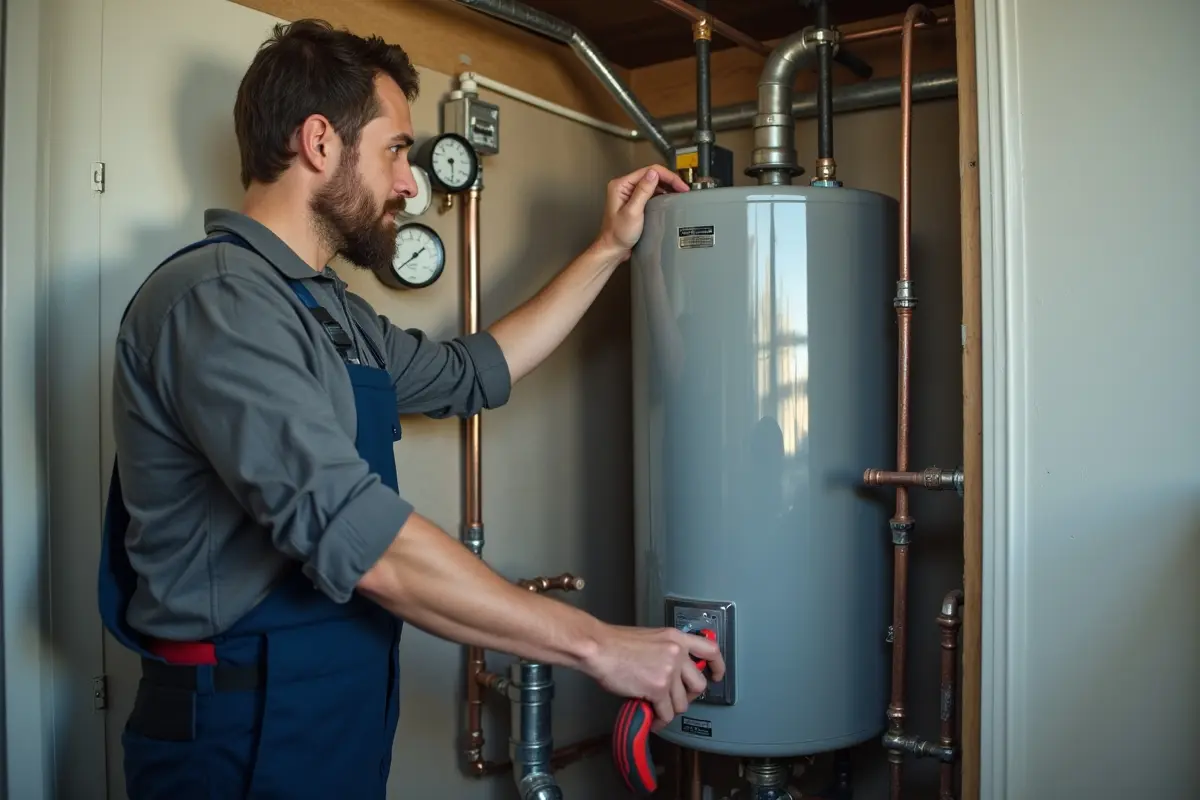
Maintaining your water heater involves more than keeping the hot water running smoothly. Routine care is vital for safety and can help homeowners avoid unexpected breakdowns and expensive damage. Being proactive about water heater maintenance also means reducing energy costs and realizing greater value from your appliance. If you live in Middle Tennessee or nearby, you may want to schedule a water heater tune up in Columbia, TN, to ensure your unit is in top condition.
While a water heater might not always be top of mind, neglecting maintenance can quickly lead to major headaches. Faulty units frequently cause water leaks and even dangerous situations, such as pressure build-ups or gas leaks. Regular checks and simple maintenance tasks help spot small issues before they grow, sparing you from the hassle and costs of home repairs. Homeowners who practice regular upkeep not only enjoy peace of mind but also protect their biggest investment: their home.
Understanding the Importance of Water Heater Maintenance
Most water heaters are hidden from sight, quietly bustling away until something goes wrong. Yet when overlooked, these appliances can cause severe issues, including water damage, mold growth, and high utility bills. Over time, sediments such as minerals accumulate at the bottom of the tank. This sediment buildup acts as a barrier, causing the unit to work harder, overheat, or even break down. Regular servicing removes unwanted buildup, maintains efficiency, and can prevent extreme outcomes such as a burst tank or unsafe pressure levels.
Inspections are especially crucial as your water heater ages. Worn components or hidden leaks may go unnoticed without annual maintenance, leading to costly repairs or replacements. Checking your water heater on schedule helps you catch problems early and avoid hours of inconvenience and possible property loss.
If you’re unsure about water heater maintenance for your area or want to learn more about how water heaters work, large resource sites such as Energy.gov offer detailed homeowner guides and tips.
Common Issues Prevented by Regular Maintenance
- Leaks and Water Damage: Periodic inspections help identify leaks early, reducing the risk of water damage and mold. Even a slow leak can contribute to costly problems over time.
- Corrosion: The anode rod in the tank attracts corrosive elements, protecting the unit’s steel walls. However, this rod eventually dissolves and must be replaced promptly to keep the tank free of corrosion and extend its lifespan.
- Pressure Problems: Pressure relief valves are a vital safety feature, and routine testing ensures they function properly. Malfunction can lead to dangerous overpressure and, in rare cases, even a tank explosion.
Essential Maintenance Tasks
- Flushing the Tank: Once a year, drain and flush your water heater tank to remove accumulated sediment. This task improves efficiency and can prevent lasting internal damage.
- Inspecting the Anode Rod: Every three to five years, the anode rod should be checked and replaced if needed. This helps prevent rust in the tank interior, ensuring steady, reliable operation.
- Testing the Pressure Relief Valve: Pull the valve’s test lever periodically to check that it opens and releases water. If it fails, the valve should be replaced promptly to avoid unsafe conditions.
- Checking for Leaks and Corrosion: Monthly visual inspections around the tank and connections can catch drips, rust, or pooling water, helping you take action before a small drip turns into expensive flood damage.
Professional vs. DIY Maintenance
Many basic maintenance steps, such as tank flushing and visual inspections, are manageable for handy homeowners who follow proper instructions. However, some aspects of water heater maintenance call for the expertise of a licensed plumber. Electrical connections, gas lines, and detailed diagnostics involve a higher risk and should not be tackled by untrained individuals. Hiring a professional ensures the job is done properly, especially when it comes to advanced issues or code compliance, saving you stress and promoting household safety.
Benefits of Preventive Maintenance
- Extended Lifespan: Simple maintenance can add years to your water heater’s usable life, delaying costly replacements.
- Energy Efficiency: By preventing sediment buildup and corrosion, your unit heats water faster and uses less energy, reducing both utility bills and environmental impacts.
- Safety: Inspections and timely repairs prevent hazardous scenarios such as overheating, gas leaks, or pressure-caused tank explosions, keeping your home secure.
When to Consider Replacement
Water heaters have a limited useful life, even when well cared for. Typically, if your appliance is older than ten years, frequently breaks down, or shows significant rust and wear, replacement may be the best option. Modern models offer improved efficiency and advanced features, making them a wise investment for households looking to lower utility costs and enjoy more reliable hot water. If you notice rust-colored water, strange noises, or rapidly rising energy bills, these could be signs that it’s time to upgrade your water heater.
Conclusion
Staying proactive about water heater maintenance is a simple habit that can pay for itself many times over. Regular inspections, timely small repairs, and understanding when to call in a professional can help you enjoy dependable hot water and peace of mind. Ultimately, these steps safeguard your home from unpredictable emergencies, reduce energy use, and extend the life of one of your home’s most essential appliances.