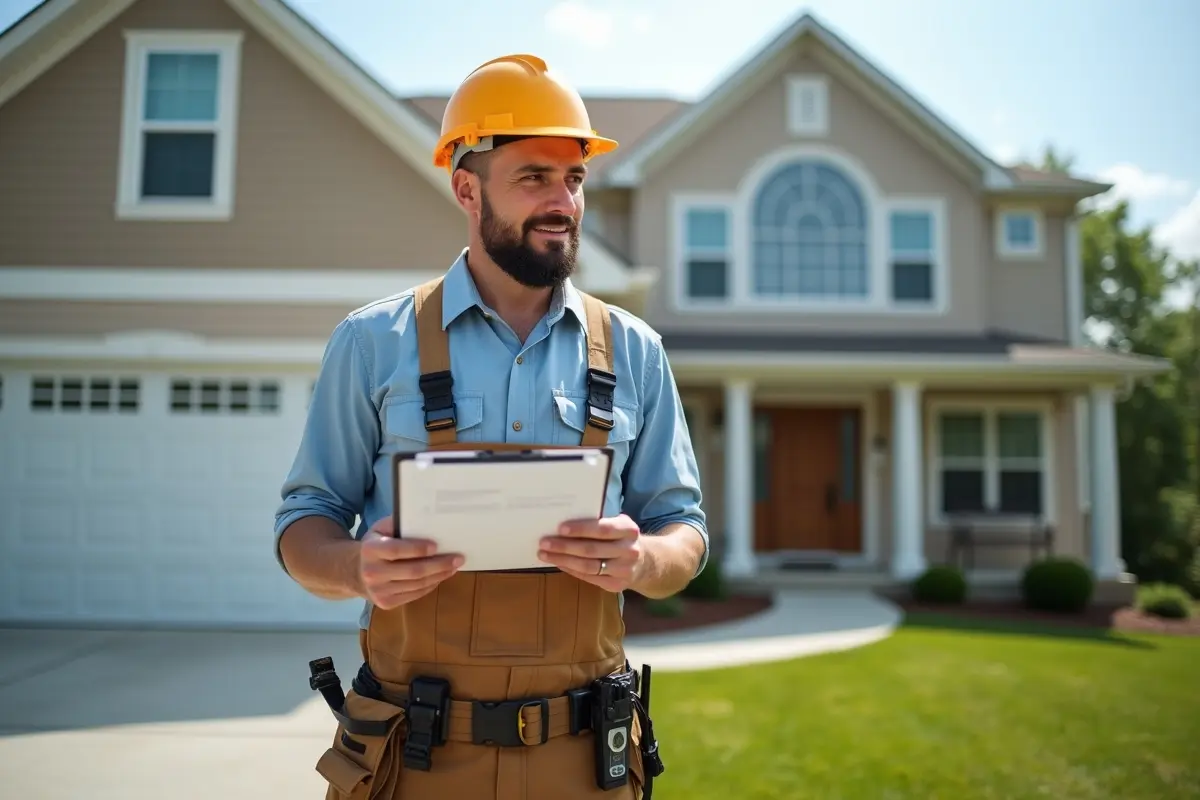
Buying a home can be both exciting and overwhelming, but understanding the role of home inspection helps bring clarity to the process. For many homebuyers, the inspection is a safeguard—an opportunity to spot potential problems before signing on the dotted line. Knowing exactly what happens during this crucial stage allows you to approach it with confidence and make decisions that best protect your interests.
Home inspections are not just a formality—it’s an in-depth evaluation that can affect negotiations and long-term satisfaction with your new property. Whether you’re a first-time buyer or an experienced real estate investor, the insights from a professional inspection are invaluable. Being prepared and knowing what to expect ensures you make informed choices and are not caught off guard by unexpected findings.
The Purpose of a Home Inspection
The main objective of a home inspection is to provide buyers with an honest picture of the property’s condition. Conducted by certified professionals, the inspection illuminates unseen or unknown problems that could require costly repairs down the road. As noted by NerdWallet, this step equips buyers with the knowledge needed to negotiate more effectively and make well-informed purchase decisions.
What Inspectors Evaluate
Home inspectors conduct a systematic review of critical areas in the house. Their evaluation focuses on the most significant components, including:
- Structural Integrity: Inspectors check foundations, walls, ceilings, and roof structure for cracks, water damage, or settling that could threaten stability.
- Systems: The property’s plumbing, heating, cooling, and electrical systems are tested to confirm safe and efficient operation. This is vital to prevent potential hazards or costly malfunctions.
- Safety Features: A close look at smoke detectors, carbon monoxide alarms, handrails, and other protective installations ensures the home complies with basic safety codes.
- Exterior Elements: Siding, gutters, windows, doors, and general drainage are inspected for water intrusion, rot, or weather damage.
It’s important to remember that inspectors primarily examine areas that are visible and easily accessible. Specialized elements such as pools, septic systems, or wells usually require a separate evaluation and are not typically included in a standard inspection.
Duration and Attendance
On average, a thorough home inspection lasts 2 to 3 hours, though the time can vary depending on the property’s size and condition. While attendance isn’t compulsory, buyers strongly benefit from being present. Observing the inspector’s process allows you to ask questions, seek clarifications, and better understand the nuances of the property’s issues. According to guidance from the American Society of Home Inspectors, being present helps demystify the process and empowers buyers to make decisions based on firsthand information.
Understanding the Inspection Report
After the inspection, you receive a detailed written report outlining all major findings. Most reports contain:
- Descriptions of structural or system issues found during the inspection.
- Photographic evidence that points out problem areas.
- Specific recommendations for repairs, further evaluations, or system updates.
This document is not a pass-or-fail verdict. Rather, it’s designed to provide transparency and a roadmap for future maintenance or negotiations. As NerdWallet highlights, the goal isn’t perfection but awareness—helping you anticipate potential costs or concerns.
Post-Inspection Steps
Once you’ve reviewed the inspection report, several paths forward are available:
- Prioritize Issues: Discern which items are urgent or pose health risks, and which are cosmetic or could be addressed over time.
- Consult Professionals: Obtain estimates for significant repairs to gauge the true cost of addressing major findings.
- Negotiate: Use the report to renegotiate, asking the seller to make repairs, offer credits, or adjust the sale price accordingly.
Maintaining open communication and focusing on major concerns enables most buyers and sellers to reach mutually beneficial solutions during negotiations.
Common Misconceptions
Many buyers enter home inspections with mistaken expectations. Some common myths include:
- Inspectors Can Predict Future Issues: Inspections only reveal the home’s state at a given time; predicting future failures is outside the inspector’s scope.
- All Issues Must Be Fixed by the Seller: Not every repair uncovered during the inspection falls under the seller’s responsibility. Generally, negotiations and market norms determine the outcome.
- New Homes Don’t Need Inspections: Even recently constructed homes can have overlooked issues or building code violations, underscoring the value of an inspection for all property types.
Final Thoughts
A professional home inspection is a vital checkpoint in the home-buying process, delivering clarity on the property’s true state and informing your investment. Armed with expectations and an understanding of the inspection process, you can approach negotiations and closing with increased confidence and peace of mind.