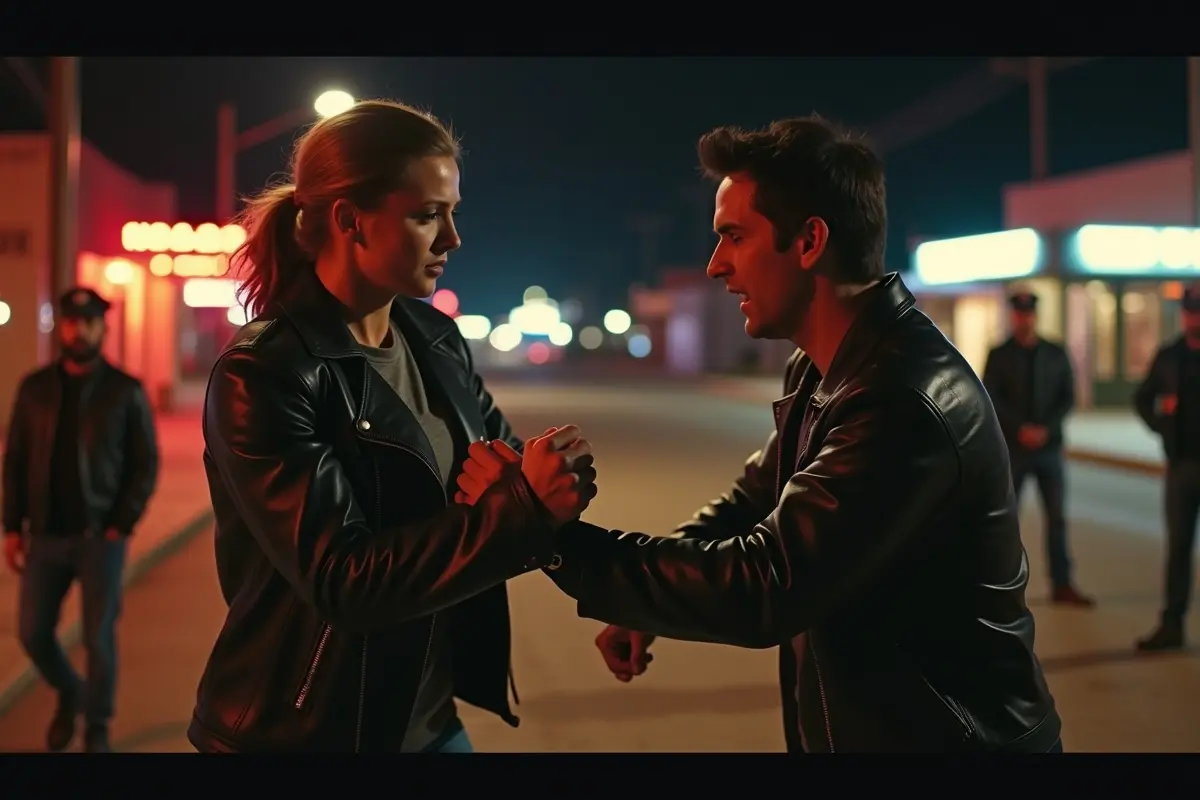
A fight can escalate in seconds. A heated argument turns into a shove, someone swings, and suddenly you’re dealing with police, witnesses, and the possibility of criminal charges. Many people assume that if a fight was “mutual,” the law will treat it as a wash. In Nevada, that assumption is risky. Mutual combat does not automatically prevent criminal liability, and one or both parties can still be arrested and charged depending on what happened and what the State believes it can prove.
What makes fight cases especially complicated is that the legal system doesn’t judge the event by “fairness” or pride. It evaluates legal elements, evidence, and reasonableness: Did someone create a reasonable fear of immediate harm? Did someone use unlawful force? Or did anyone escalate with a weapon? Did injuries occur? And did one party continue after the other tried to withdraw?
This guest post explains how Nevada approaches fight-related allegations under assault and battery law, what factors raise a case from a misdemeanor to a felony, and why early defense strategy and evidence preservation can make a meaningful difference.
Mutual Fights Still Lead to Arrests and Charges
Even when both parties were involved, officers responding to a scene must make quick decisions based on probable cause. That often means relying on:
- On-scene statements (which can be emotional or inconsistent)
- Visible injuries
- Who remained at the scene and who left
- Witness accounts from bystanders
- Any available video footage from phones or security cameras
In practice, the presence of injury, weapons, or continued aggression increases the chances of criminal charges. Public fights can be treated more seriously because they involve perceived risk to others and can trigger additional scrutiny.
The key point is this: a fight is rarely viewed as “private business” once law enforcement is involved. Once a report is written, the case can proceed even if both parties later claim they want to move on.
Assault vs. Battery in Nevada: The Difference That Shapes the Case
People often use “assault” as a general term for any violence. Nevada law distinguishes assault and battery, and that distinction matters.
Assault: No Contact Required
Assault generally involves an unlawful attempt to use physical force or intentionally placing another person in reasonable fear of immediate bodily harm. That means physical contact is not required. If a person’s actions reasonably make someone believe they are about to be harmed, prosecutors may argue assault occurred.
Example: Raising a fist and stepping in aggressively may be treated as assault if the other person reasonably fears an imminent strike, even if contact never happens.
Battery: Unlawful Use of Force
Battery generally involves the actual use of force—hitting, pushing, grabbing, striking, or other unlawful physical contact. In most fight scenarios, battery becomes the core allegation because physical contact occurs quickly and injuries may be visible.
Some cases involve both: threatening conduct that creates fear (assault) followed by physical contact (battery). Understanding which accusation is being pursued helps shape defenses, negotiations, and evidentiary challenges.
What Prosecutors Focus On After a Fight
After an arrest, prosecutors typically reconstruct the event through police reports, injury documentation, witness statements, and video evidence. Their focus is often on three themes:
1) Escalation and the “Turning Point”
Many cases come down to who escalated and when. Even if a conflict began verbally, prosecutors may argue that someone crossed a line when they advanced, cornered the other person, or continued force after the threat was over.
2) Intent Inferred From Conduct
Intent is rarely proven by admission. Instead, it is inferred from actions and context, such as:
- Threatening gestures
- Aggressive pursuit
- Continuing to strike after someone falls or backs away
- Statements made before or after the incident
- The level of force used relative to the threat
Even “heat of the moment” conduct can be framed as intentional if the evidence supports that interpretation.
3) Evidence That Locks in a Narrative
Video footage can be decisive. So can independent witnesses who are not aligned with either party. In contrast, when evidence is limited, credibility becomes everything, and the case can hinge on who appears consistent and believable.
What Escalates a Fight Into a Felony-Level Exposure?
Not all fights are treated equally. Two common factors elevate a case fast: weapons and serious injury.
Weapons or Objects Used as Weapons
Introducing a weapon changes how the State frames risk. Firearms and knives are obvious examples, but “weapons” can also include everyday objects used to cause harm or intimidate: bottles, tools, heavy items, and other objects capable of significant injury.
Even if an object isn’t traditionally a weapon, using it to strike or threaten can transform a misdemeanor-level dispute into a felony-level allegation.
Injury Severity and “Excessive Force”
Injury severity matters because it suggests the level of force used. A minor scuffle is not viewed the same as an incident involving broken bones, hospitalization, or head trauma. Prosecutors also look at proportionality: whether the force used was reasonable or excessive for the situation.
A major legal problem arises when force continues after the other party tries to withdraw. If one person attempts to stop, steps away, or is no longer a threat and the other continues to strike, prosecutors may treat that continued force as escalation rather than defense.
Quick Practical Takeaway: Why Early Defense Strategy Matters
Fight cases often turn on evidence that disappears quickly—security footage gets overwritten, witnesses leave town, and phone recordings get deleted. If you want a deeper breakdown of Nevada fight-related charges and how defense attorneys evaluate assault vs. battery exposure, you can review the resource hub at The Defense Firm Criminal Law.
That kind of early clarity matters because the prosecution’s version of events is often built first—and once it hardens into a narrative, it can take serious work to correct.
Who Threw the First Punch? It Matters, But It’s Not the Only Question
People often believe the first punch determines guilt. In reality, the law often evaluates the entire sequence of events:
- Who initiated physical contact
- Whether either party attempted to disengage
- Whether force escalated beyond what was reasonable
- Whether one party pursued the other
- Whether the conflict ended and then restarted
Someone who did not “start it” can still face charges if prosecutors believe they escalated the conflict or used disproportionate force. That is why fight cases require careful timeline reconstruction, not simplistic labels.
Self-Defense in Nevada: Powerful, But Evidence-Dependent
Self-defense is commonly raised in fight cases, but it must be supported by facts. Generally, self-defense arguments depend on whether:
- The person reasonably believed they faced imminent harm, and
- The force used was reasonable and proportionate under the circumstances
Self-defense tends to be strongest when supported by objective evidence such as video, neutral witnesses, consistent statements, and injury patterns consistent with defensive action. It becomes harder when evidence suggests retaliation, continued aggression after the threat ended, or the introduction of a weapon that escalated the danger.
Because evidence disappears quickly—security footage can be overwritten and witnesses can become unreachable—early legal strategy often focuses on preserving proof and clarifying the timeline before the prosecution’s version becomes fixed.
Conclusion: One Fight Can Create Long-Term Consequences
A mutual fight in Nevada can still lead to assault or battery charges, and the legal consequences can be serious. Prosecutors focus on evidence, injuries, escalation, weapons, and whether any self-defense claim is supported by facts. What feels like a brief incident can become a lasting problem if the case isn’t handled strategically.
If you want a detailed legal discussion of Nevada fight-related assault and battery consequences, visit The Defense Firm Criminal Law.