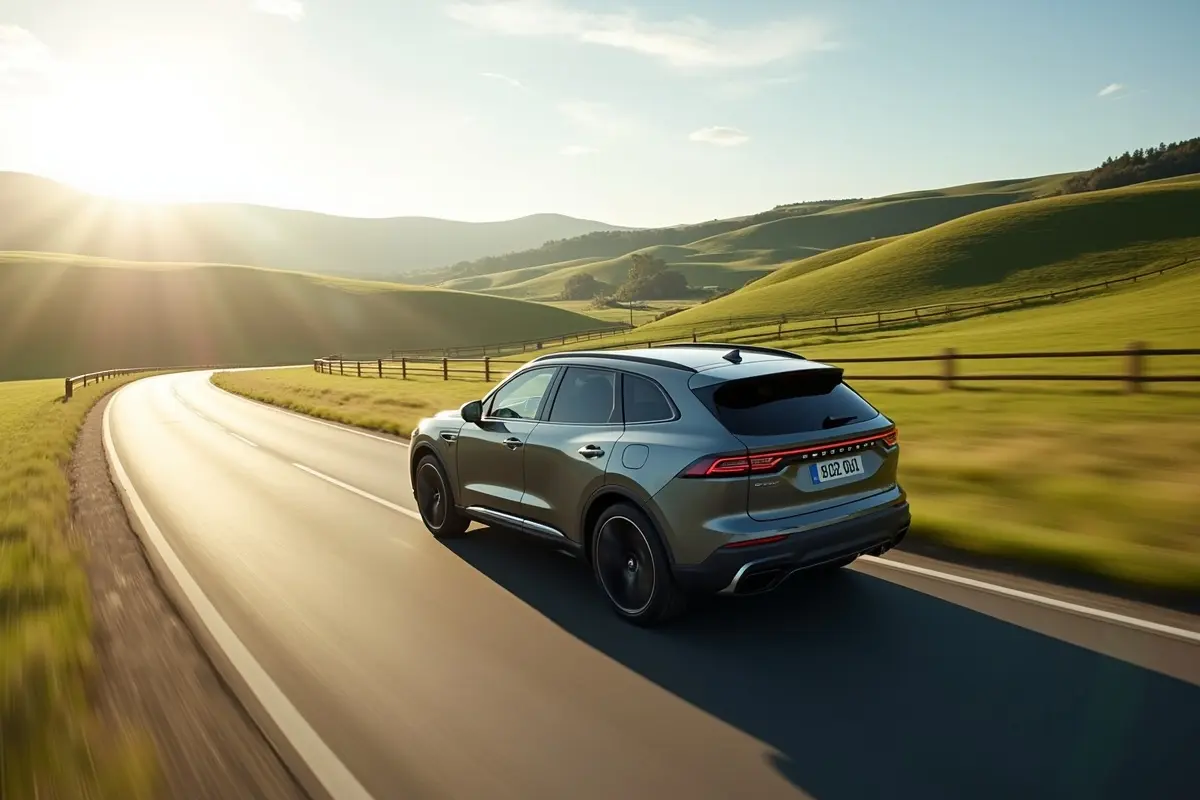
With fuel prices remaining high and environmental concerns on the rise, finding practical ways to boost your vehicle’s fuel efficiency is crucial for both your wallet and the planet. Whether you drive daily or only occasionally, practicing good habits and regular upkeep can help you maximize every gallon. Learn more about how simple changes can make a significant difference in your fuel economy and overall driving experience.
By combining proper vehicle maintenance with smart driving strategies, you not only lower your fuel costs but also reduce emissions and increase your vehicle’s lifespan. Taking small, mindful steps plays an important role in promoting a greener environment for everyone. From monitoring tire pressure to planning more efficient routes, even incremental improvements can add up to major savings over time.
Understanding exactly how your habits contribute to fuel consumption can empower you to make more informed choices on the road. Adopting a proactive approach with your vehicle and utilizing available technology can positively impact both your monthly budget and the environment.
Maintain Your Vehicle Regularly
The foundation of optimal fuel efficiency lies in keeping your car or truck well-maintained. Critical tasks such as timely oil changes can boost your miles per gallon, particularly when you use the oil recommended by your vehicle’s manufacturer. A fresh-air filter ensures your engine receives proper airflow, which is vital for both performance and fuel economy. Additionally, regularly inspecting spark plugs and replacing worn ones helps your engine run smoothly and avoid unnecessary fuel drain.
Staying on top of these routine checks can noticeably increase your vehicle’s efficiency while reducing harmful emissions. Neglecting basic maintenance not only hurts your fuel economy but can also lead to costly repairs down the road.
Adopt Smooth Driving Habits
Your on-road behavior directly and immediately affects how much fuel your vehicle consumes. Rapid acceleration, frequent hard braking, and speeding all cause your engine to work harder, which burns more fuel. Drivers who keep a steady pace, use cruise control during highway trips, and observe speed limits enjoy significantly better fuel mileage. For example, a sudden surge in speed can waste gas and cause wear and tear on your vehicle’s components.
Calmer, more deliberate driving not only increases efficiency but also creates a safer environment for yourself and those around you. Avoiding traffic bottlenecks whenever possible by adjusting your departure time or taking less congested routes can also help minimize stop-and-go driving, which is less efficient than steady cruising.
Monitor Tire Pressure and Reduce Excess Weight
One of the easiest ways to enhance fuel efficiency is to ensure your tires are always inflated to the correct pressure. Underinflated tires increase rolling resistance, causing your engine to use more fuel to keep your vehicle moving. Checking the pressure at least once a month and topping up as needed can have a noticeable effect on mileage.
Similarly, carrying unnecessary items in your car or trunk weighs your vehicle down, forcing the engine to work harder and use more fuel. Remove any unneeded cargo, especially bulky or heavy items, to help your vehicle run more efficiently.
Limit Idling and Optimize Air Conditioning Use
Idling for extended periods can waste a surprising amount of fuel. A mid-sized car can use up to a half gallon of gas per hour while idling, so it’s often better to turn off the engine if you anticipate waiting for more than a couple of minutes. In addition, how you use your air conditioning system matters. Running the AC continuously can significantly decrease your mileage, especially during stop-and-go traffic or in city driving. Try using the vehicle’s ventilation system or opening the windows during mild weather to reduce AC usage.
Plan Efficient Routes
Carefully planned trips not only save you time but also help you use less fuel. Navigation apps equipped with real-time traffic and road condition updates can help you avoid congestion, minimize idle time, and find the most direct or fuel-friendly path to your destination. Combining errands and grouping your trips also means you’ll drive less overall, reducing both fuel consumption and wear on your vehicle. Short trips often use more fuel per mile because engines are less efficient until fully warmed up, so consolidating travel can make a significant impact over time.
Consider Carpooling and Alternative Transportation
Sharing rides with coworkers, friends, or family members is an effective way to cut fuel costs and lower traffic congestion. Similarly, occasional use of public transportation, biking, or walking for short trips can substantially reduce your reliance on personal vehicles. These options not only decrease your fuel use but also contribute to reduced air pollution and improved urban air quality.
Utilize Technology for Fuel Efficiency
Modern advances make it easier than ever to monitor and adjust your driving for better fuel economy. Smartphone apps can provide real-time data on your driving habits and recommend personalized strategies to improve efficiency. In addition, in-car telematics systems analyze braking, acceleration, and speed patterns to help you optimize vehicle performance. Many vehicles now come with dashboard fuel consumption readouts, allowing you to monitor your mpg and adjust your driving habits accordingly.
Stay Informed and Educated
Learning about fuel efficiency does not stop at your owner’s manual. Many organizations host eco-driving seminars and workshops where you can learn hands-on techniques to improve your fuel mileage. Keeping up with the latest news in automotive technology and efficiency strategies through reputable sources, such as Edmunds Fuel Economy Guide, ensures you can take advantage of new developments and tested best practices.
Conclusion
Applying these practical strategies to your daily routine leads to measurable improvements in your vehicle’s fuel efficiency, meaningful savings at the pump, and protection of the environment for future generations.