Sealing your pavers is an effective way to preserve the beauty, integrity, and longevity of outdoor spaces. Many homeowners wonder how much paver sealing will cost and what advantages it brings. This guide explores the essential aspects of paver sealing cost, including what factors influence pricing and the key benefits sealing adds to your property.
Beyond initial aesthetics, proper paver sealing can save on future repairs, resist environmental damage, and keep your outdoor surfaces looking pristine. For those considering this investment, understanding both the costs and lasting value is vital to making the right choice for your home.
Understanding Paver Sealing Costs
Paver sealing isn’t a one-size-fits-all project. On average, you can expect to pay between $1.50 and $3.50 per square foot for professional service. This range often covers both cleaning and minor surface preparation, joint sand replacement, and the sealant application itself.
For example, sealing a 500-square-foot patio or driveway will usually cost between $750 and $1,750. Costs may vary regionally and may include additional services or upgrades, depending on the contractor. This process ensures your pavers are protected and look their best, contributing to a solid return on investment.
In addition to the basic square footage and material costs, additional considerations can further impact the project’s final price. The complexity of the job, for example, often plays a large role; spaces with intricate patterns, tight curves, or integrated landscaping features may require extra handwork and meticulous masking, which can lead to higher labor costs.
Similarly, accessibility to the area can influence job costs; locations that are difficult for equipment to reach may require more time and effort from the professional crew.
Factors Influencing Paver Sealing Costs
The final price you’ll pay for sealing pavers depends on several specific factors:
- Area Size: Larger projects may see a reduced per-square-foot rate, but still incur higher total costs.
- Preparation Level: Surfaces with deep staining, moss, or required repairs may require extra labor, increasing expenses.
- Type of Sealer: Premium water-based products can be more costly, whereas solvent-based sealers are often less expensive but may offer different levels of shine or performance.
- Labor Rates: Costs are also impacted by location, contractor expertise, and any guarantees or warranties included in your service package.
- Site Accessibility: The ease with which contractors can access your paver area may increase or decrease job complexity and total cost.
- Additional Services: You might need supplementary treatments, such as weed or moss removal, which can add incremental costs but help ensure a more durable finished result.
By understanding and accounting for these elements, homeowners can better estimate their project budget and compare service quotes effectively.
Benefits of Sealing Pavers
Homeowners choose to seal their pavers for a range of reasons that go beyond simple appearance. Sealing provides a protective layer that offers several important benefits:
- Enhanced Appearance: Sealers deepen the pavers’ natural color, creating a cleaner, more vibrant look for patios, driveways, and walkways.
- Increased Durability: Regular sealing reduces the risk of cracking and surface wear, supporting the long-term durability of your hardscape features.
- Stain and Contaminant Resistance: Treated pavers are less likely to absorb spills, oils, or organic debris, making surfaces easier to clean and maintain.
- Weather and UV Protection: Sealing shields pavers from fading and degradation due to sun exposure, rain, and freeze-thaw cycles, minimizing weather-related repairs.
- Preservation of Joint Sand: By keeping joint sand in place, sealers help prevent weed growth and ant infestations, enhancing structural stability across the entire paved area.
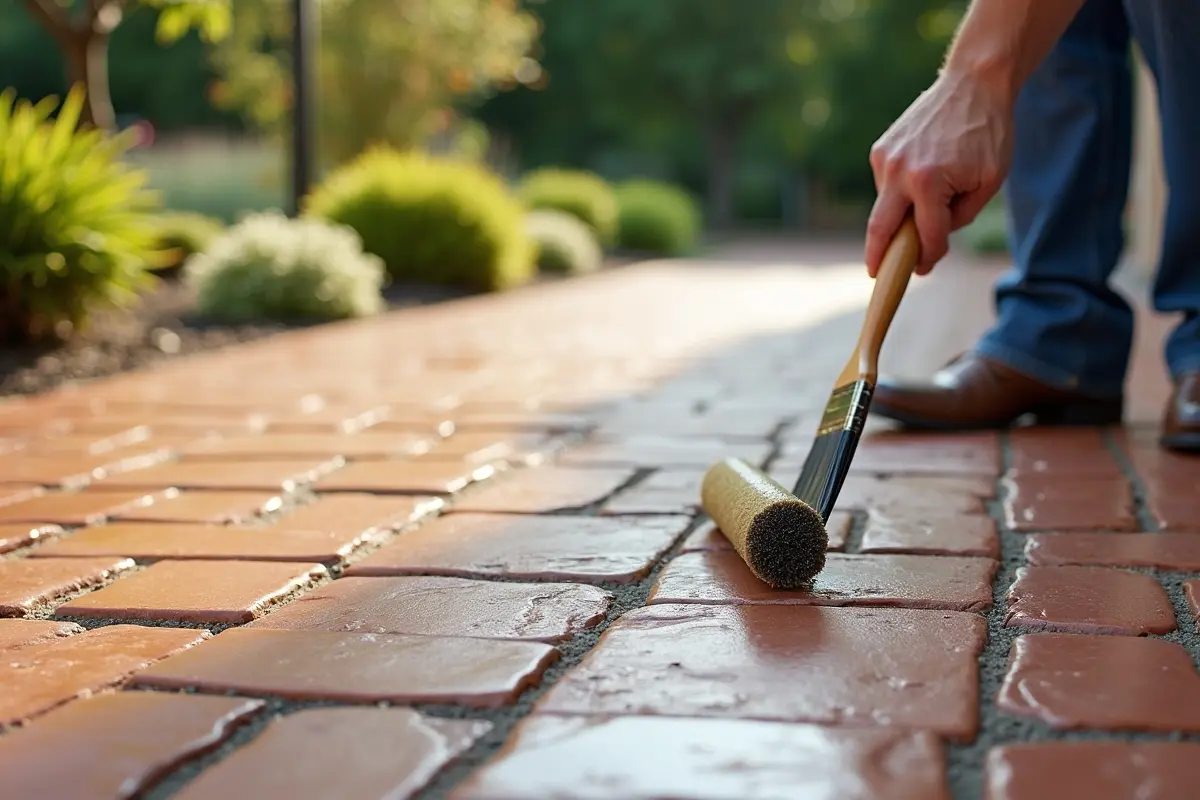
Another compelling reason to seal is to revive older installations. If your pavers have begun to dull with age or have lost their vibrancy due to exposure, sealing them can rejuvenate their colors and provide a “wet look” finish favored by many homeowners. This freshens the overall curb appeal and may even increase your property’s resale value.
DIY vs. Professional Paver Sealing
Choosing between a do-it-yourself approach and hiring professionals is an important decision for many property owners. Taking on paver sealing yourself might save some upfront money, but the results often depend on your experience level and the tools you have available.
Professional sealing services guarantee uniform coverage, detailed surface prep, and application of commercial-grade products that extend service life. Many contractors also provide warranties or maintenance plans for lasting peace of mind.
DIY paver sealing is possible for motivated homeowners, especially for smaller areas or for those with some prior experience in outdoor maintenance. However, it’s critical to understand the nuances of surface preparation; neglecting to properly clean or repair pavers before sealing can reduce the effectiveness of your efforts. Additionally, improper application can lead to streaking, uneven sheen, or trapped stains.
The investment in time, supplies, and the learning curve may not be worthwhile for all property owners, particularly if a high-end, long-lasting finish is desired. Ultimately, weigh the cost savings against the value of professional expertise and the peace of mind it provides.
Maintenance Tips for Sealed Pavers
To sustain the fresh appearance and protection of sealed pavers, consistent care is key:
- Routine Cleaning: Sweep regularly and rinse the surface with a garden hose or pressure washer to remove dirt and debris before it can stain or degrade joints.
- Immediate Spill Cleanup: Address oil, food, or chemical spills promptly to prevent penetration and staining.
- Periodic Resealing: Depending on exposure and level of use, most experts recommend resealing every 3 to 5 years to maintain optimal protection against moisture and UV rays.
- Inspect Joints and Edges: Regularly check for weeds or eroding sand in joints and perform touch-ups or repairs as needed to keep your paver system intact and stable.
- Avoid De-icing Salts: In colder climates, avoid using harsh chemical de-icers, as they can break down sealant and potentially damage the pavers over time.
Following these basic maintenance routines helps you make the most of your investment, ensuring vibrant and resilient hardscaping year after year.
Final Thoughts
Paver sealing is both a functional and cosmetic upgrade that safeguards your outdoor living spaces against damage and degradation. By understanding the main cost drivers and the compelling benefits of sealing, homeowners can confidently choose the right maintenance solution for their needs. Investing in routine sealing and proactive care offers lasting value and keeps your patio, deck, or driveway looking beautiful for years to come.