Children lose interest more quickly than we as adults would like to imagine. Being somewhere and instructed to stand and stare through a glass window or behind a roped-off barrier is an invitation to distraction that few can decline. And for many parents, that sinking sensation of a well-thought-out day trip rapidly going awry is all too familiar.
What Participation Does to the Brain
There is a reason why practical learning has been so important in early childhood education for many years now. When a child physically interacts, feeds, makes a choice, or pretends to be someone, the brain memorizes that activity differently than when a child is just observing. The remembrance feeling is more profound and emotional connection stronger.
Interactions with animals are a powerful tool in this kind of learning. When a child interacts with animals like feeding a goat, touching a reptile, or helping a zookeeper to prepare food for a bird of prey, they are not just playing, they are learning. Empathy is generated at a much faster rate by direct contact with another being than by listening to a spoken word. Furthermore, such empathy among kids tends to stay. Parents who look up real animal experience booking near me help their kids grow into adults with a larger sense of the environment.
56% of Millennial and Gen Z travelers now prioritize unique experiences over traditional sightseeing when choosing a day trip or holiday destination (Arival). This number implies that parents are making conscious decisions about what will have an actual influence on their families.
The Problem With Passive Observation
Classic tourism is based on observing. You get there, you look around, and you leave. Adults may find this engaging because they can enrich what they’re seeing with background information, such as history, or cultural context. But that doesn’t work for kids.
It’s not that children lack curiosity or interest. It’s just that we often underestimate how they perceive the world and process information. They need to play and be actively engaged in order to learn. If there’s nothing for them to do where you’re taking them, their attention will quickly dwindle, and the emotional aspects of the day will soon be forgotten. You’ll end up with sore feet, everyone in a bad mood, and photos where kids look like they’re hostages.
It’s not that they tire easily, but that they’re bored. And what’s the point of spending a few hours somewhere they clearly didn’t want to go? The only memory will be of their nagging, your nagging, and how bored they were. The solution is not giving up or shortening the trip, but the kind of trip you decide to organize.
From Exhibits to Immersive Environments
The best zoos and family attractions have moved well past the glass barrier model. What is replacing it is the keeper experience, letting a family step into a working role rather than watching from a distance.
Becoming part of the story changes the dynamic entirely. A child who spends an hour helping care for animals isn’t a visitor. They’re a participant. That framing matters because it shifts the emotional weight of the day. There’s a sense of contribution, of responsibility, that a standard walk-through simply can’t produce.
If you’re planning a weekend out and want something that actually delivers on that level, you’ll find structured sessions that go well beyond standing in front of a pen, and you can often see exactly what the experience involves before you book.
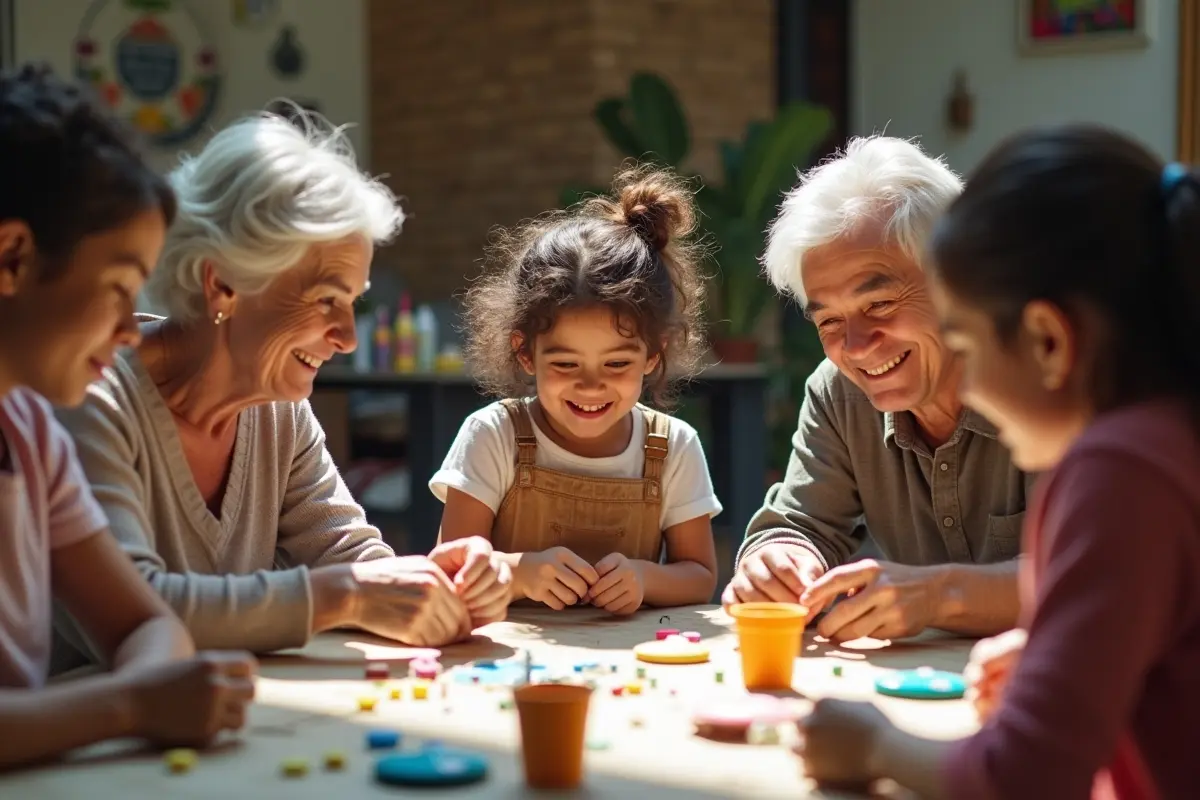
The other thing worth noting is multi-generational appeal. Hands-on experiences at zoos and wildlife attractions tend to work across a wide age range in a way that museums and traditional landmarks often don’t. Grandparents and toddlers can share the same moment without one group being bored or overwhelmed.
Why Parents Are Rethinking What “Value” Means
A day out with the family can be quite expensive. Between travel, tickets, meals, and parking, the costs can quickly add up. For many parents, the real question is whether these costs are justifiable based on the memories the family will create.
Simply paying an entrance fee to walk around and look at animals probably won’t create lasting memories. However, if your kids get to touch something, hold something, learn something, and come home with a story to share, they will.
Such activities aren’t about the leisure of spending time somewhere, so much as the investment of building a memory from the experience. And gamification can often help here. Scavenger hunts, feeding sessions, “keeper challenges,” interactive checkpoints: these are all ways of turning a walk into something to do that has momentum.
Making it Count
The time when you could only observe without interacting is not only old-fashioned, but it doesn’t even make sense when you have kids. Because getting involved is what creates those memorable evenings that are discussed over dinner for days to come. The ones that help shape a child’s feelings about animals, or nature, or the universe.