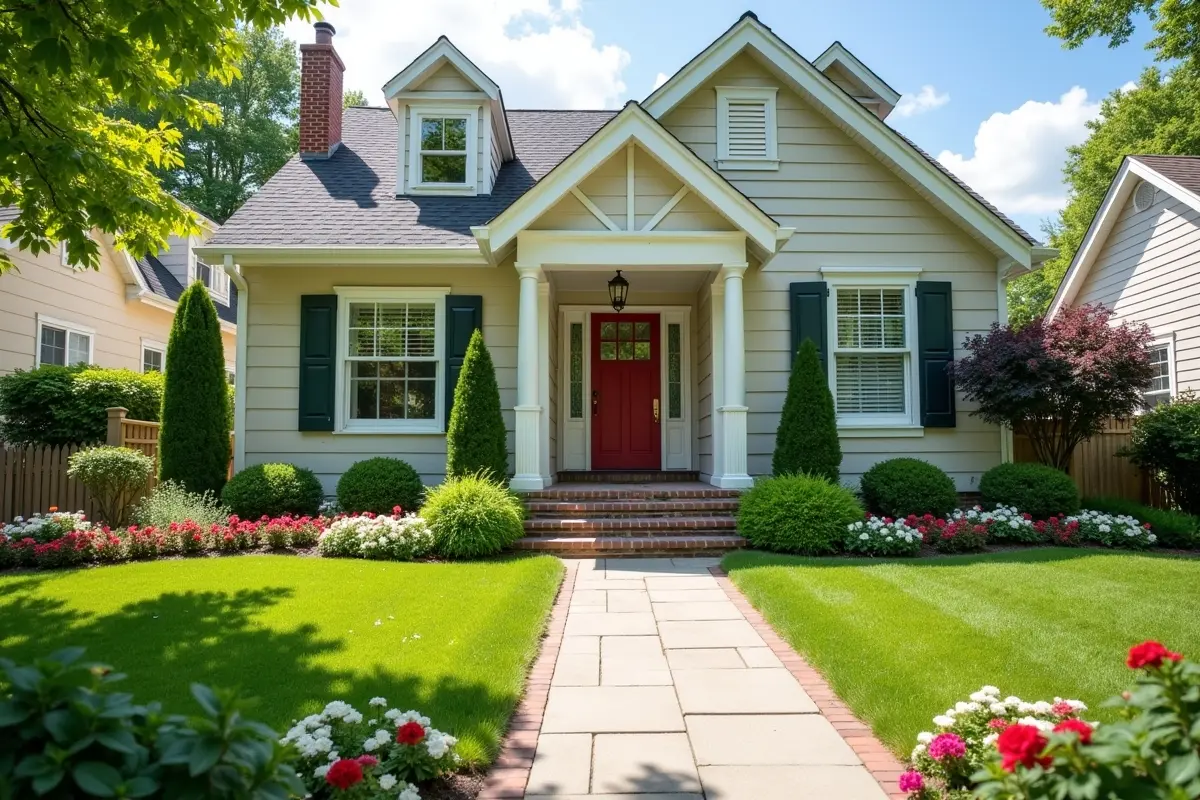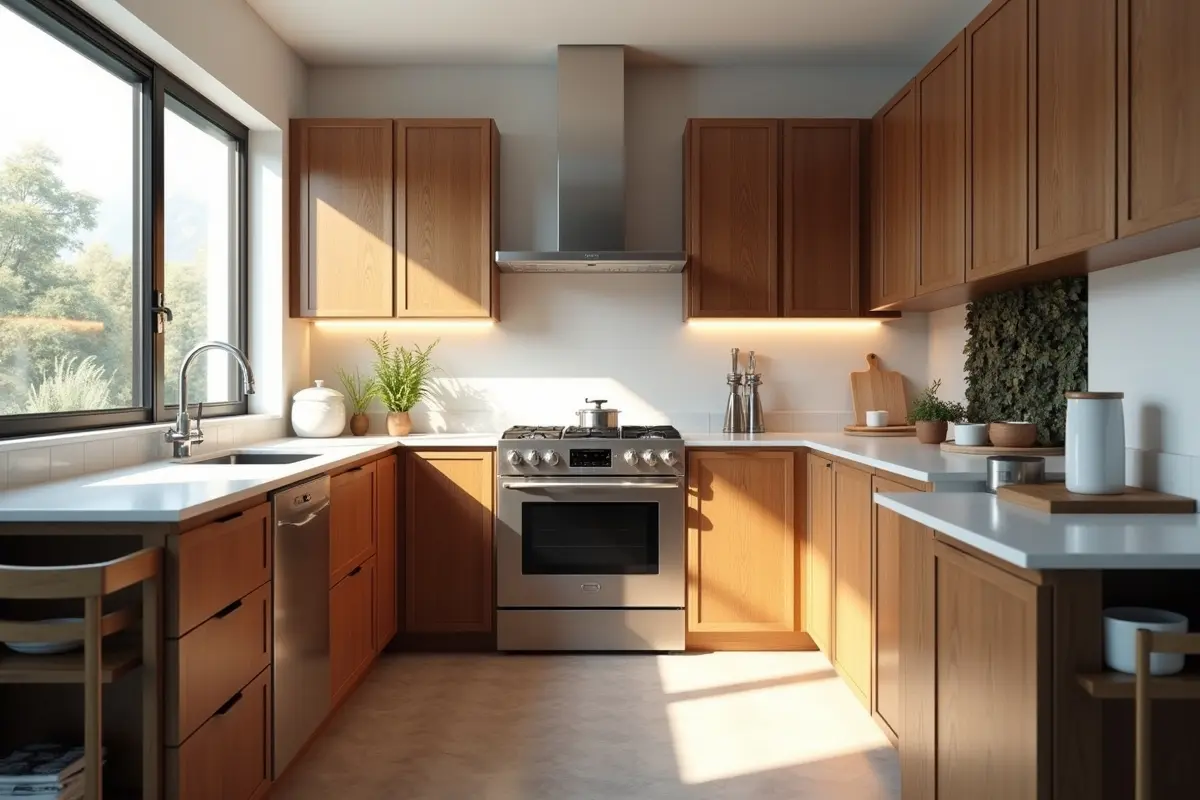
Most landlords lose money in the gaps – between tenancies, between maintenance calls, between a good tenant and a bad one. The difference usually isn’t the property itself. It’s preparation. Getting a rental unit market-ready isn’t about slapping on a coat of paint and posting a few phone photos. It’s about treating the asset professionally from day one.
Start with a serious physical audit
Prioritize function over form. Walk through with a clipboard, before you do anything pretty. Check every window lock. Test the exterior lighting. Insulate exposed electrical wires in the unit. Confirm the water heater temp is set to a safe level. Efficiency can be beautiful, even if it’s not Pinterest-worthy.
Look at the HVAC system – if it hasn’t been serviced in over a year, get it done now. An emergency repair during a tenancy costs more than a service call, and it costs even more in tenant goodwill. Deferred maintenance is where landlords quietly bleed money. A minor roof issue becomes a ceiling. A slow drain becomes a plumbing job. Fix the list before you list the property, not after a tenant calls at 11 p.m.
Clean and update with a specific goal
An in-depth clean cannot be skipped. It is something the potential new lessees will notice right away and moreover, it tells them how to respect the property. Wash everything thoroughly. Dust and sanitize beyond the surfaces and don’t forget to clean corners, baseboards, grout lines, and sliding door tracks.
When it comes to upgrades, focus on areas that will give you the most return, rather than a full-scale renovation. Swap old light fixtures for modern LED ones. Change tired-looking cabinet handles with new brushed nickel ones. If you can invest a little more, a smart thermostat is a great upgrade, costs about $150, and can justify a higher rent.
Finally, don’t underestimate the power of a fresh coat of paint. You want to give the illusion that everything is brand new and clean. A neutral off-white makes the whole apartment look brighter and photos will turn out better. Potential tenants will have an easier time picturing themselves living there.
Make your listing work as hard as the property
Nearly 80% of tenants are finding their next rental online. So pictures truly paint a thousand words before the viewing ever happens. Professional photography is not a “nice to have”. It’s a must. Units with bad photos take longer to rent, see fewer applications, and rent for less money.
Be specific with your description. “Renovated kitchen with stainless steel appliances and new hardware” is far stronger than “good kitchen”. Highlight the updates that were made. Renters are scrolling through a feed and vague descriptions get passed over.
Screen tenants before you ever take an application
Amateur landlords often make very costly mistakes right at the beginning of the process – by allowing their tenant selection to be reactive and pressured by a vacancy. Instead, you need to first write your tenant screening criteria. What’s the minimum credit score you’ll consider? How much income must an applicant be able to prove? What do you expect of their previous rental history? You should have these determined in advance, then apply them uniformly to each applicant you consider.
That’s not just because it’s good risk management, though that’s reason enough. It’s also a legal obligation. Fair housing laws prohibit discrimination based on protected characteristics, meaning you cannot treat an applicant differently based on their race, religion, etc. Having a documented, consistent process protects you and ensures no applicant can reasonably claim they were treated differently than others.
Run credit checks and employment verification on every application you seriously consider. A month of vacancy is cheaper than a year with a non-paying tenant.
Decide who’s actually running this operation
Preparation is one side of the equation. The other is ongoing operations. Those people who decided to manage everything by themselves often feel like they did not realize it would be so time-consuming. Planning repairs, gathering rents, renewing leases or taking care of any communication with the tenants can be quite overwhelming, especially if we are talking about more than one unit.
If you already feel the strain of time, or possess a demanding property, partnering with a property management company often produces better returns than shouldering the entire management burden yourself. You’re not externalizing the property, but you’re professionalizing the management of it.
Whether you decide to manage everything yourself or hire someone to help you, put together a welcome kit for tenants before they move in. Make sure they find appliance warranties in there, know how to set up their utility accounts, get instructions on entering the building, and see a list of emergency phone numbers. This creates less start-of-the-lease frictions and makes responsibilities clearer on both sides.
Get the paperwork right before you need it
Your lease agreement should be specific, not generic. Include clauses for maintenance request procedures, guest policies, and conditions for security deposit deductions. Know the difference between normal wear and tear and actual damage – because your tenant will ask, and your lease should answer.
Collect your security deposit according to local regulations. Store it where it’s supposed to be stored. Return it on time with proper documentation. Most landlord-tenant disputes come from sloppy deposit handling, not bad tenants.
A rental property that’s been properly prepared doesn’t just rent faster. It attracts tenants who recognize that they’re dealing with someone who takes the property seriously – and those tenants tend to stay longer, pay on time, and cause fewer problems. The prep work pays for itself before the lease is even signed.