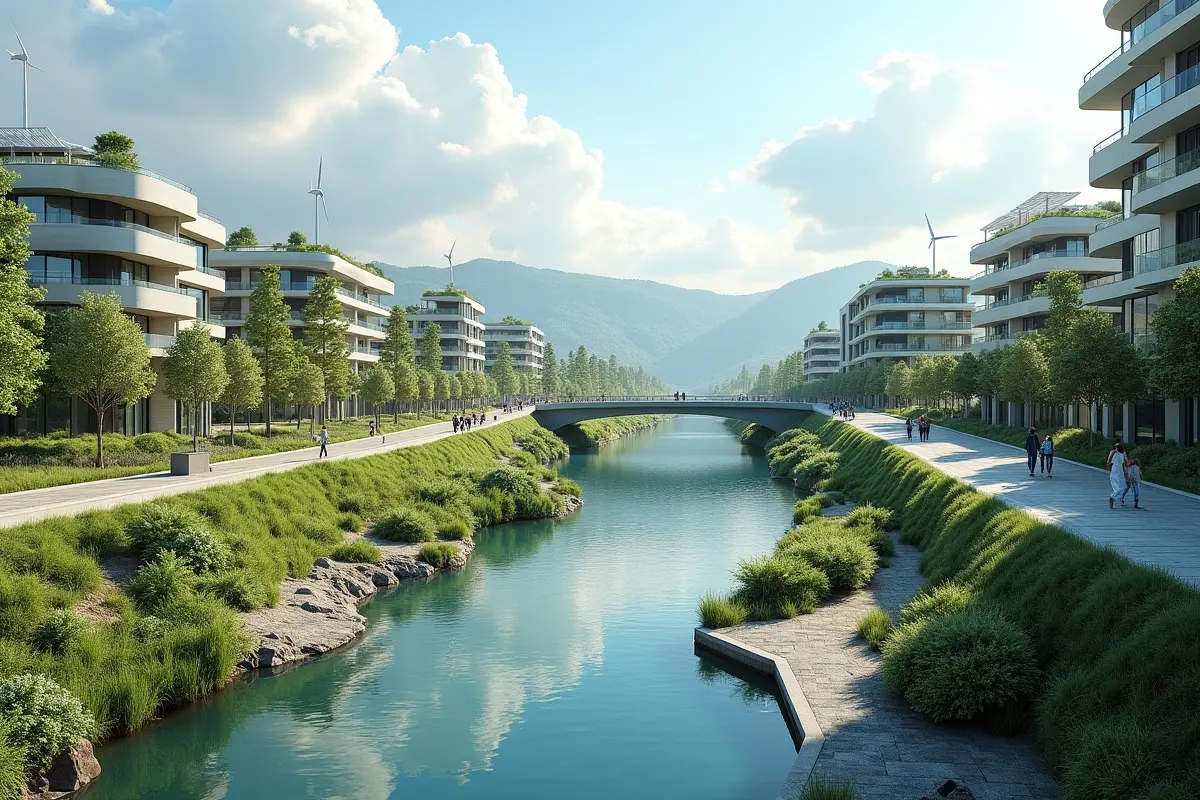
As climate change and rapid urbanization reshape our environments, planning and building resilient infrastructure is critical for the future of sustainable communities. Forward-thinking cities are seeking strategic input from industrial engineering consulting firms to not only reinforce their infrastructure but also ensure that growth aligns with ecological stewardship.
Communities that focus on resilience can better withstand environmental challenges. Sustainable design principles support the ecological balance on which future generations will depend, making adaptability and long-term planning more vital than ever.
As leaders consider new projects and retrofitting existing systems, balancing durability, cost, and environmental safety is key. Innovative technologies and materials, coupled with local engagement, make infrastructure more responsive and future-proof. Resources such as the EPA’s guidance on sustainable infrastructure provide further insights into these ever-evolving best practices in the field.
Understanding Resilient Infrastructure
Resilient infrastructure involves building systems that adapt to a changing climate, which is crucial for reducing disruptions from extreme events and supporting communities during adversity. Key features include redundancy, like decentralized energy and water systems, which ensure vital functions during disasters. As climate threats grow, robust risk assessments and scenario modeling help identify vulnerabilities early, enhancing resilience and stability.
Sustainability in Infrastructure Design
Sustainable infrastructure focuses on long-term impacts of materials, energy, and design choices. According to Stanford Woods Institute, combining sustainability and resilience enhances post-disaster recovery while reducing a project’s carbon footprint. It involves investing in solutions that meet immediate needs without harming future resources or the environment.
A key element is resource circularity: designing systems that reuse and recycle resources rather than waste them. Examples include reclaimed materials and stormwater management through permeable pavements or green roofs. Adding renewable energy and energy-efficient systems helps keep infrastructure cost-effective and environmentally friendly.
Sustainable infrastructure is often assessed using metrics such as greenhouse gas reductions, water conservation, and ecological impacts. Tools like LEED and Envision offer benchmarks and certifications, promoting ongoing improvement in planning and implementation.
Innovative Materials and Technologies
Advances in materials science, like Oldcastle’s Duralite® enclosures, offer lightweight, durable fire protection. AI and IoT shift maintenance from reactive to predictive, enabling real-time monitoring that boosts durability and efficiency while lowering costs. Examples from cities show sensors and AI analyzing traffic and water issues.
Modular construction with prefabricated components facilitates quick assembly, reuse, and upgrades, reducing waste. Remote sensing and digital twins support predictive maintenance and asset health tracking, improving resilience and sustainability.
Community Engagement and Collaboration
Lasting and effective infrastructure projects must reflect the values and needs of the people who will use them. By incorporating community feedback and interdisciplinary collaboration, cities and counties can ensure their infrastructure delivers tangible social benefits.
Programs like the Resilient Infrastructure for Sustainable Communities (RISC) initiative, which fosters public-private partnerships around the Great Lakes, illustrate the strength of locally tailored solutions. Stakeholder involvement helps build trust and creates infrastructure that’s embraced and protected by the community itself.
Community workshops, visioning exercises, and participatory planning sessions are valuable tools for gathering input and building consensus. Local knowledge can reveal site-specific challenges, historical issues, and unique opportunities that outside planners or consultants may overlook.
Additionally, strong public-private partnerships bring together the expertise of industry, academic researchers, and governmental agencies, maximizing resources and fostering a sense of shared responsibility in infrastructure success.
Case Studies of Successful Implementation
Leading cities and organizations have gained from innovative infrastructure projects. For instance, Evergy, a US energy provider, used over 275 automation solutions with Microsoft Power Platform, saving over 120,000 hours annually—showing a scalable model. Investing in digital tech and modern materials helps communities cut long-term costs and boost system reliability.
Rotterdam’s urban water plazas manage heavy rainfall, serving as recreational spaces and storm reservoirs, blending environmental and social benefits. Singapore’s ABC Waters program reconnects neighborhoods with natural waterways, promoting biodiversity and improving stormwater management.
Challenges and Solutions
Despite the evident benefits, significant barriers to realization remain. High upfront costs, complex regulatory environments, and limited technical expertise often slow implementation. Creative solutions include tapping into federal and private sector funding, streamlining approval processes, and upskilling local workers. Crucially, framing resilience and sustainability as long-term investments for public safety, health, and economic growth can help drive political and community support.
To overcome obstacles, it is also helpful to adopt a phased approach. Initial pilot projects can demonstrate feasibility and cost-effectiveness, building momentum for broader investment. Clear communication and stakeholder education increase public support, while continual monitoring and performance feedback enable adaptive management over time. As communities and technology continue to evolve, so must the strategies and partnerships that support resilient, sustainable infrastructure.
Future Directions
The need for resilient and sustainable infrastructure will only grow. Prioritizing emerging technologies, fostering collaboration across sectors, and centering projects around people’s needs will shape the infrastructure of the future. Investment in research and adaptive strategies will ensure that infrastructure remains robust in the face of rising sea levels, severe weather, and population growth.
Looking forward, holistic infrastructure solutions that incorporate climate modeling, data analytics, and nature-based engineering will become increasingly central. Anticipating upcoming trends, such as the adoption of carbon-neutral building standards, the expansion of smart city networks, and the application of bio-inspired design principles, is essential for leaders in both the public and private sectors.
Future-proof infrastructure is not just about resilience against risks, but about creating flexible systems that can seize emerging opportunities and support thriving, equitable communities in a changing world.
Conclusion
Communities worldwide are facing new and evolving risks. By integrating resilience into design and leveraging the latest technology through partnerships with engineering experts, cities can meet today’s challenges and build a sustainable foundation for tomorrow. The right approach to infrastructure planning will help ensure safe, adaptable, and vibrant communities for generations to come.