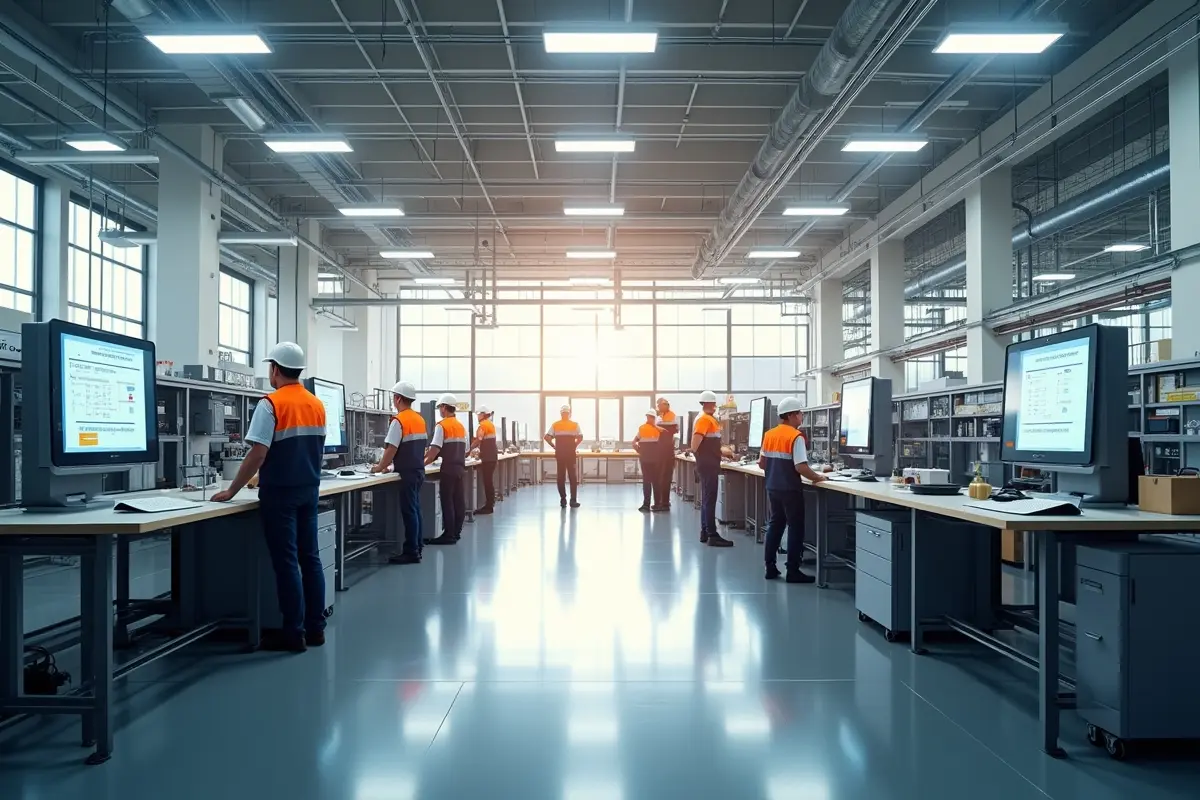
Launching a new manufacturing facility is a significant investment, and efficiency must be a top priority to ensure long-term profitability and competitiveness. Comprehensive planning before and during the build, from process design to adopting the right technologies, will determine whether your facility achieves operational excellence or faces costly delays and inefficiencies. To succeed in today’s fast-paced industrial landscape, every detail counts, from the right approach to manufacturing facility construction to the daily optimization of processes, equipment, and personnel.
Implementing proven strategies helps set the foundation for sustainable growth, adaptability, and efficiency in manufacturing operations. Focusing on core operational areas enables manufacturers to prevent waste, reduce operating costs, and foster innovation right from the outset. This article explores critical tactics that organizations can use to position their new manufacturing facilities for immediate and lasting success.
Implement Lean Manufacturing Principles
Lean manufacturing focuses on reducing waste, simplifying workflows, and improving agility. By streamlining production, eliminating redundant steps, and clarifying job roles, organizations can enhance the value delivered to customers. Lean principles also encourage standardized processes and cross-training, which enables staff to step into different roles as needed and respond quickly to changes in demand or production requirements.
Examples of lean strategies include visual management systems, value stream mapping, and ongoing efforts to identify areas for improvement. Embracing lean methodology not only drives efficiency but also develops a culture of continuous improvement across all levels of the facility.
Invest in High-Quality Equipment
High-quality machinery forms the backbone of efficient manufacturing operations. Modern, reliable equipment minimizes the risk of unexpected breakdowns and costly repairs, ensuring consistent product output and reducing downtime. While the upfront investment in durable equipment may be higher, the long-term payoff through smoother production cycles and lower maintenance costs is substantial.
Selecting tools that provide precision, flexibility, and scalability allows manufacturers to maintain high standards and adapt as business needs change. Routine preventive maintenance schedules and investing in leading brands contribute to overall equipment effectiveness and operational stability.
Design an Optimized Facility Layout
The physical layout of a facility greatly influences material movement, workflow, and production speed. Designing an effective layout means minimizing the distance materials and personnel travel between steps, logically positioning equipment, and reducing bottlenecks. This proactive design approach results in smooth, linear workflows that prevent unnecessary delays and optimize space utilization.
Considering factors such as proximity to material supply, storage areas, and shipping destinations can dramatically improve overall productivity. Even small layout adjustments can make a significant difference in efficiency and cost reduction.
Establish a Culture of Continuous Improvement
Sustainable efficiency requires more than initial planning; it depends on fostering a work environment where employees are empowered to suggest and implement process improvements. Formal systems for gathering frontline feedback, conducting regular process reviews, and recognizing employee contributions drive ongoing positive change.
Encouraging team members at all levels to participate in identifying inefficiencies or safety concerns leads to a proactive approach to problem-solving. Incorporating continuous improvement cycles, such as the Plan-Do-Check-Act (PDCA) methodology, builds a foundation for long-term operational excellence.
Prioritize Employee Training and Development
A well-trained workforce is essential for achieving and maintaining efficiency. Comprehensive onboarding, regular skills development, and standardized work instructions equip employees to perform at peak levels and adapt to new technologies or processes as they emerge. Training programs should also focus on cultivating leadership and teamwork skills to ensure operations run smoothly, even amid personnel changes or growth.
Enhanced employee competence directly improves productivity, reduces error rates, and decreases turnover. Investing in professional development not only benefits the individual but also strengthens the entire organization’s ability to meet evolving challenges.
Leverage Advanced Technologies
Cutting-edge technologies, such as industrial AI, automation, and real-time data analytics, are game-changers for modern manufacturing. Integrating these tools enables predictive maintenance, streamlined workflow monitoring, and performance optimization. Real-time dashboards give managers and frontline workers the insights they need to quickly identify issues and make informed decisions.
Using technology for tasks like inventory management and quality assurance not only reduces labor hours but also enhances accuracy and reliability. Forward-thinking manufacturers that actively embrace digital transformation are more resilient and better positioned to scale as markets evolve.
Focus on Energy Efficiency and Sustainability
Energy management is a critical factor for both cost control and environmental stewardship. Employing energy-efficient equipment, optimizing power usage, and conducting regular assessments of utility consumption all contribute to operational efficiency and lower overhead costs. Incorporating renewable energy sources, such as solar or wind, also helps future-proof facilities against regulatory changes and market pressures.
Adopting sustainable manufacturing practices, including waste reduction and responsible material sourcing, demonstrates a commitment to corporate social responsibility and long-term business viability.
Ensure Safety and Regulatory Compliance
Safety is non-negotiable in manufacturing and is integral to productivity. Establishing rigorous health and safety protocols protects employees and minimizes the risk of accidents that can disrupt operations. Routine safety training, regular equipment inspections, and strict adherence to local and international regulations maintain continuity and workforce confidence.
A dedicated focus on environmental, health, and safety compliance also strengthens the reputation, reduces liability, and supports better employee retention. Cutting corners on safety can lead to costly consequences, both financially and reputationally.
Final Thoughts
Adopting these core strategies prepares manufacturers to capitalize on efficiency from the earliest stages of operation. By building a strong foundation in process design, technology integration, and workforce engagement, new manufacturing facilities can achieve higher productivity, adaptability, and profitability in an increasingly competitive market.