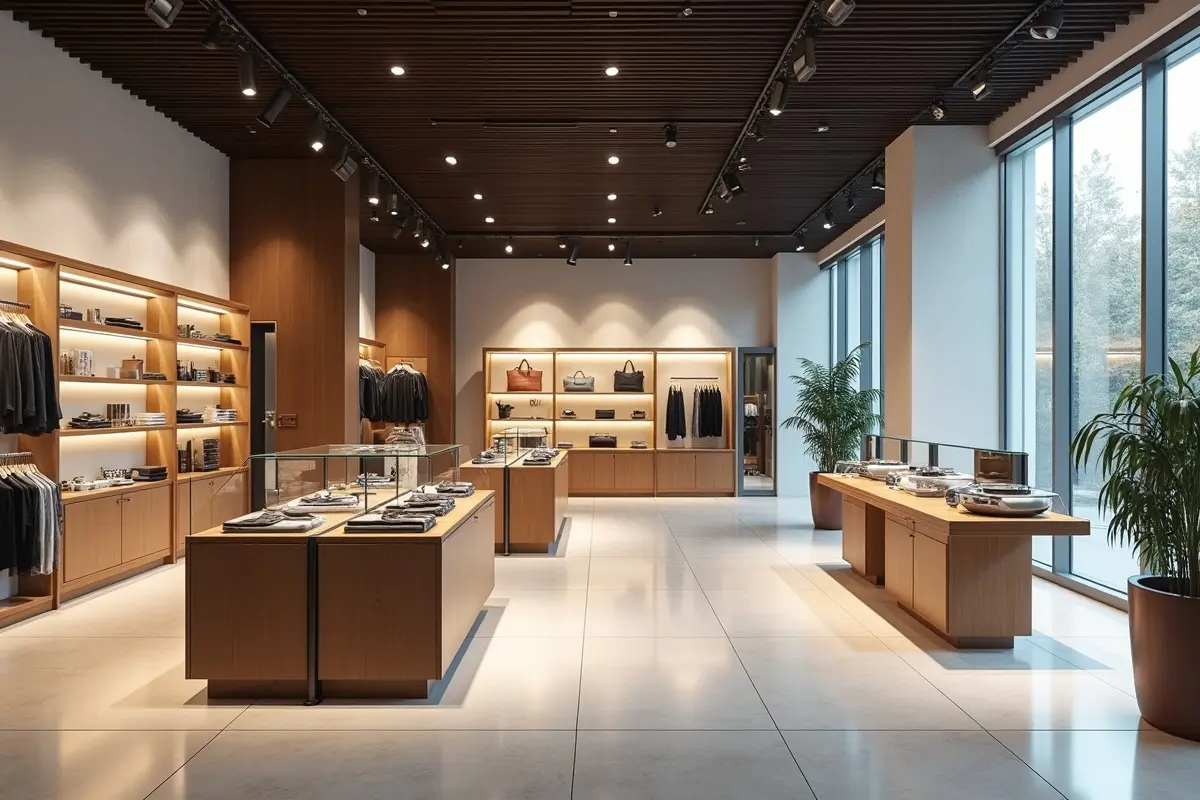
Visual merchandising is often thought of as the creative side of retail. It is the lighting, layout, color, signage, product placement, and storytelling that encourage people to stop, look, and buy. However, behind every eye-catching window display or in-store promotional feature is something more practical: the materials used to bring the idea to life.
The right display materials can make the difference between a campaign that looks polished and professional and one that feels rushed or forgettable. For retailers, brands, event teams, and designers, material choice should be one of the first decisions in the visual merchandising process.
Materials Shape First Impressions
Customers make quick judgements when they walk past a store, enter a showroom, or approach a promotional stand. Display materials influence how those judgements are formed. A crisp fabric graphic, smooth vinyl print, premium banner, or well-finished wall covering can immediately make a brand feel more trustworthy and appealing.
Poor-quality materials, on the other hand, can have the opposite effect. Wrinkled finishes, faded colors, weak structure, or cheap-looking surfaces can distract from the message and reduce the impact of the display. Even the best design will struggle if the material cannot support it properly.
Color and Print Quality Matter
Visual merchandising relies heavily on color. Whether a campaign is bold and energetic or soft and luxurious, the chosen materials need to reproduce colors clearly and consistently. This is especially important for brands with strict guidelines, seasonal campaigns, or multiple retail locations.
High-quality printable materials help ensure graphics look sharp, colors stay vibrant, and details remain clear. This can be particularly valuable for window displays, point-of-sale graphics, exhibition stands, and promotional backdrops, where visibility and clarity are essential.
Working with experienced suppliers such as Soyang Europe can help businesses access display materials that are designed for professional print, retail environments, events, interiors, and wider brand applications.
Durability Supports Better Campaigns
Retail displays often need to withstand more than people realize. They may be exposed to sunlight, repeated handling, changes in temperature, busy footfall, or the demands of installation and removal. If the materials are not durable enough, displays can quickly start to look tired.
Choosing the right substrates, textiles, vinyls, banners, or wallcoverings from the beginning helps protect the quality of the campaign throughout its lifespan. This is particularly important for longer-term displays, pop-ups, trade shows, and multi-site rollouts, where consistency and reliability are key.
Flexibility Allows More Creative Freedom
The best visual merchandising ideas often require materials that can adapt. Designers may need lightweight fabrics for hanging displays, self-adhesive materials for walls and windows, blockout media for double-sided graphics, or durable floor graphics for high-impact messaging.
When businesses understand what different display materials can do, they can create more ambitious and effective campaigns. Material choice should not limit creativity. It should support it.
Sustainability Is Becoming More Important
Modern customers are increasingly aware of environmental impact, and brands are under more pressure to make responsible choices. This has made sustainable display materials a growing priority in visual merchandising.
Recyclable, PVC-free, reusable, or longer-lasting materials can help businesses reduce waste while still delivering strong visual results. For brands that want their values to show through every customer touchpoint, this matters.
Better Materials Create Better Experiences
Visual merchandising is not just about making products look good. It is about creating an experience that attracts attention, communicates value, and encourages action. The materials used in a display play a major role in achieving that.
By starting with the right display materials, businesses can create retail environments that look sharper, last longer, reflect their brand more effectively, and leave a stronger impression on customers.