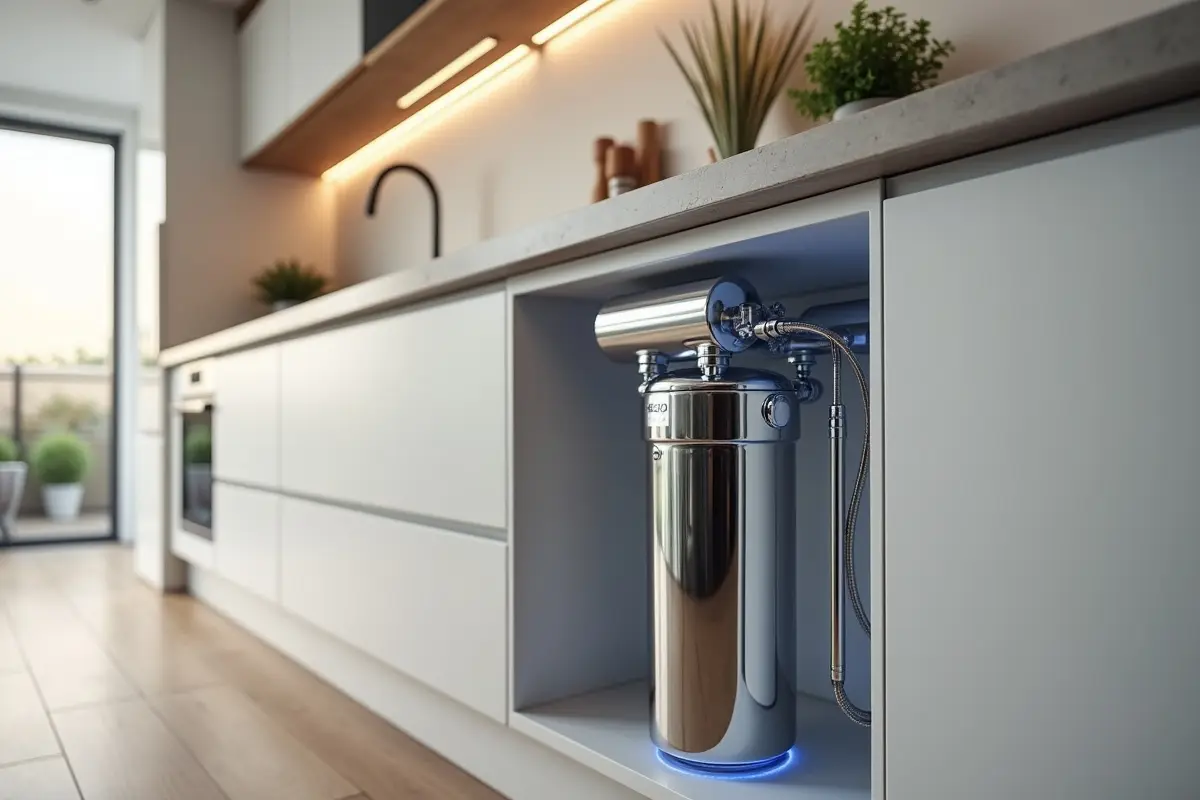
Hard water is a common household issue, creating problems for plumbing, appliances, and even personal care. In recent years, advancements in water softener technology have brought effective and user-friendly solutions to the market. As we step into 2026, understanding which water softener systems lead the pack is essential for any homeowner looking to protect their investment and improve their quality of life. This comprehensive guide examines the best water softener systems for this year, offering key insights to help you make the right choice for your home.
Many water softeners now include smart features, better salt efficiency, and eco-friendly alternatives. These innovations address not only hard water issues but also environmental concerns and ease of maintenance. With so many options on the market, choosing the ideal solution for your needs can feel overwhelming. By exploring top-rated products and offering practical consideration tips, you’ll be better equipped to find the perfect match for your household’s requirements.
Examining the differences between salt-based, salt-free, and electronic descalers can further inform your decision. Understanding how each type works and what kind of maintenance or installation you can reasonably handle are also important factors. From improved water taste and appliance longevity to decreased scale buildup, having the right water softener brings a host of benefits to your daily life.
Households across the United States face some degree of water hardness, making these systems a crucial investment for many. Learning the details of each water softener type, and recognizing which features or capacities are important for your home will ensure your water remains high-quality for years to come. For additional information, you can also consult in-depth resources like the U.S. Geological Survey’s section on water hardness.
Understanding Hard Water
Hard water contains significant amounts of dissolved minerals, mainly calcium and magnesium. Over time, these minerals cause scale buildup inside pipes and on fixtures, reducing the lifespan and efficiency of household appliances such as water heaters, dishwashers, and washing machines. Hard water’s effects are not limited to plumbing systems; it can also leave spots on dishes and glassware, make detergents less effective, and cause dry skin or hair.
According to the U.S. Geological Survey, an estimated 85 percent of American homes have water classified as hard to very hard, making water softening solutions widely necessary. Regular exposure to hard water accelerates appliance wear and can result in higher utility bills because equipment needs to work harder to operate efficiently.
Types of Water Softeners
Multiple water softener technologies are available in 2026, each offering distinct benefits and operational methods:
- Salt-Based Ion Exchange Softeners: This traditional method swaps calcium and magnesium ions for sodium ions, effectively removing the minerals responsible for hardness. These systems are reliable and popular for larger households needing maximum softening.
- Salt-Free Water Conditioners: Rather than removing minerals, these units change the chemical structure of minerals to prevent them from sticking to pipes and surfaces. They are a great option for those aiming to reduce salt usage and environmental footprint.
- Dual-Tank Softeners: Featuring two resin tanks, these systems can function continuously, making them perfect for large families or homes with high-water demand.
- Magnetic or Electronic Descalers: These compact devices use electromagnetic fields to alter mineral characteristics, helping reduce scale formation without chemicals or salt. While not true softeners, they minimize scaling and maintenance needs.
Top Water Softener Systems of 2026
With a crowded marketplace, a handful of systems set themselves apart due to performance, innovation, and user satisfaction. Here are top picks for 2026:
- SpringWell SS Salt-Based Softener: Praised for its robust design and efficient operation, this model boasts customizable grain capacities and a Bluetooth-enabled control head. These features allow for easy monitoring and setting adjustments, making it a leading choice for families concerned about water quality and system convenience.
- SoftPro Elite Water Softener: Known for its advanced controls and exceptional salt efficiency, the SoftPro Elite handles various hardness levels with ease. Its high-flow rate and intuitive user panel ensure smooth operation for homes of any size, placing it among the highest-rated systems this year.
- SpringWell FutureSoft Salt-Free Softener: This system avoids the use of salt entirely, relying on a template-assisted crystallization process to stop scale without removing beneficial minerals. It requires minimal upkeep and is favored by eco-conscious households looking for effective and green water softening solutions.
- Fleck 5600SXT Water Softener: Well-regarded in the industry, this unit offers proven performance with long-term reliability. Its digital display and programmable head make maintenance straightforward, and its flexible capacity options suit both medium and large households.
- On The Go Portable Water Softener: Tailored for travelers, small apartments, or RVs, this compact solution delivers soft water wherever you need it. Quick to regenerate and needing no electrical hookup, it’s ideal for compact living spaces and frequent movers.
Factors to Consider When Choosing a Water Softener
- Water Hardness Level: Testing your water for hardness (measured in grains per gallon) is vital, as this will inform the size and type of system you require. Most local water utilities can provide a hardness report, or you can use a home test kit.
- Household Size and Water Usage: The more people in your home and the higher the water usage, the greater the system’s required capacity and flow rate.
- Maintenance Requirements: Some systems are largely maintenance-free, while others require regular attention, such as adding salt, cleaning tanks, or replacing filters. Consider your willingness and ability to perform these duties.
- Budget: Costs vary significantly depending on the system type and features. Evaluate the total cost of ownership, including purchase, installation, and ongoing maintenance.
- Environmental Impact: Particularly if you live in an area with brine discharge restrictions, a salt-free conditioner is the better option for sustainability and compliance.
Installation and Maintenance Tips
- Professional Installation: Even with DIY kits available, hiring a licensed professional ensures correct setup and compliance with local plumbing codes, reducing the risk of costly mistakes down the road.
- Regular Maintenance: Most salt-based systems benefit from monthly salt level checks, annual tank cleaning, and periodic filter replacement as advised by the manufacturer. Routine maintenance extends the life of your system and ensures optimal water quality.
- Continuous Performance Monitoring: Water quality can sometimes fluctuate due to changes in municipal supply or well conditions. Test water softness every few months, particularly if you notice issues like increased scale, slippery water, or soap inefficiency.
Conclusion
Installing a water softener system can bring immediate and lasting benefits, including appliance protection, enhanced water taste, reduced scaling, and improved skin and hair feel. By understanding the different systems available in 2026 and carefully matching them to your household’s needs, you can make an informed investment that will pay off for years.
For further guidance on water quality and home improvement, reputable sources like Angel Water’s Choice for Best Water Softener System in 2026 offer additional insights. Prioritize your home’s water quality this year and enjoy the lasting advantages a reliable water softener can provide.