The modern workplace has changed dramatically over the last decade. Businesses are no longer tied to rigid office structures, long leases, and fixed working patterns. Instead, growing companies are prioritizing flexibility, collaboration, and scalability when deciding how and where their teams work.
For startups and expanding brands, traditional office spaces can often feel restrictive. Large upfront costs, maintenance responsibilities, and limited flexibility can slow growth rather than support it. As industries become more competitive and digitally connected, businesses need work environments that can adapt quickly to changing demands.
The following article explores how this shift has encouraged companies to explore smarter workspace solutions that align with modern working habits while supporting productivity and long-term development.
Flexibility Has Become a Business Essential
One of the biggest drivers behind modern work environments is flexibility. Businesses today often operate with hybrid teams, remote employees, freelancers, and international clients. A workspace now needs to support a more dynamic style of working instead of forcing everyone into the same structure.
Flexible workspaces allow businesses to scale their operations without committing to lengthy contracts or unnecessary overheads. Whether a company is hiring rapidly, downsizing temporarily, or expanding into new markets, adaptable office solutions provide room for change without disruption.
This is especially valuable for growing businesses that need professional environments while maintaining financial efficiency. Companies can access premium facilities, meeting rooms, and networking opportunities without the burden of managing an entire office independently.
Collaboration and Community Matter More Than Ever
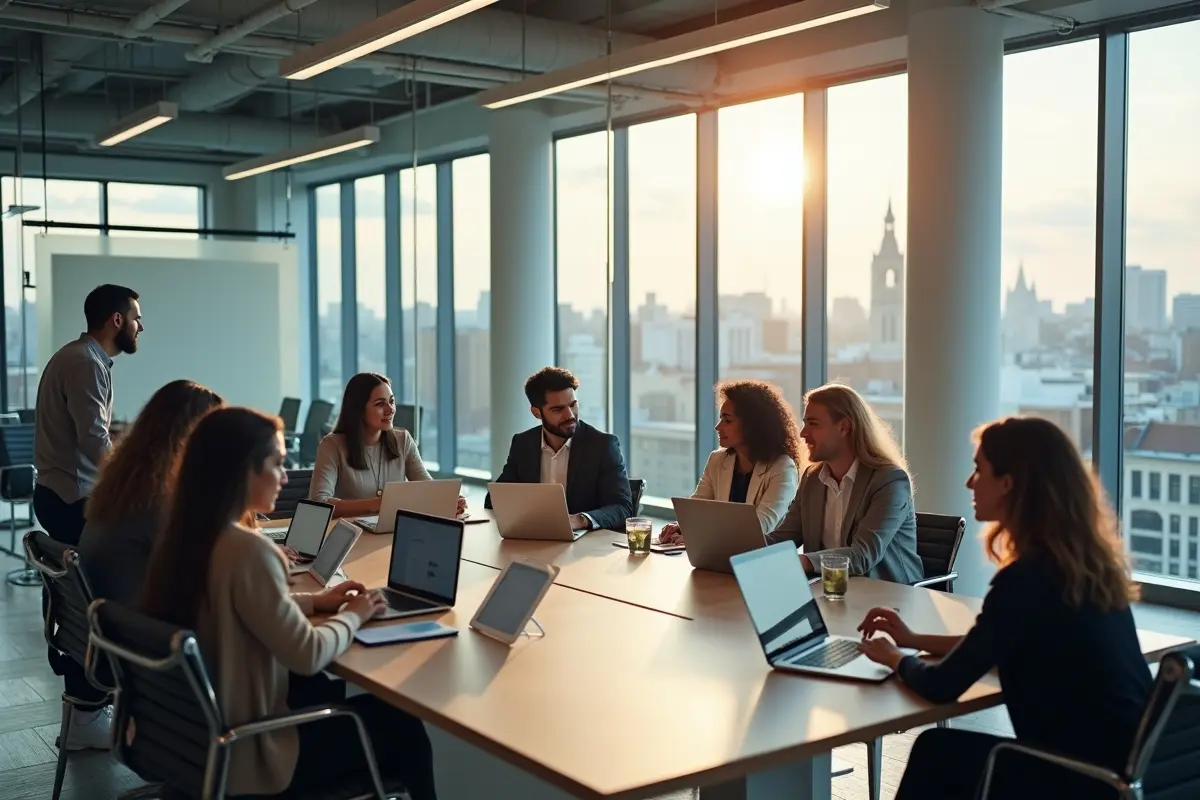
Modern work environments are designed to encourage collaboration. Open layouts, shared communal spaces, and networking opportunities help businesses connect with like-minded professionals and potential partners.
For startups and smaller companies, this sense of community can be incredibly valuable. Working alongside ambitious entrepreneurs and established businesses creates opportunities for learning, partnerships, and growth that may not happen in isolated office settings.
Creative collaboration has become a major part of innovation. Businesses thrive when teams can exchange ideas easily, brainstorm naturally, and build stronger professional relationships. Modern workspaces are built around these interactions, helping companies create more engaged and connected teams.
Technology Is Reshaping the Workplace
Technology has also played a major role in transforming work environments. Cloud-based systems, video conferencing tools, and digital collaboration platforms mean employees can work effectively from almost anywhere.
As a result, businesses now expect offices to support seamless connectivity and modern infrastructure. High-speed internet, smart meeting spaces, and integrated digital tools are no longer considered luxuries. They are essential features that help teams remain productive and connected throughout the working day.
Modern workspaces are designed with these expectations in mind. Businesses can move into fully equipped environments that support efficient workflows from day one, saving time and reducing operational stress.
Employee Wellbeing Is Influencing Workspace Design
Growing companies are increasingly recognizing the importance of employee wellbeing. A positive working environment can directly impact productivity, creativity, and staff retention.
Modern offices often include features such as natural lighting, breakout areas, wellness facilities, and comfortable communal spaces that help create healthier working conditions. Employees are more likely to feel motivated and engaged when they work in spaces that prioritize comfort and balance.
This focus on wellbeing also supports company culture. Businesses want workplaces that reflect their values, encourage collaboration, and help attract talented professionals in competitive industries.
The Future of Workspaces for Expanding Businesses
As businesses continue to evolve, modern work environments will remain a major part of long-term growth strategies. Flexibility, technology, collaboration, and wellbeing are no longer optional extras. They are central to how successful companies operate.
For brands looking to establish themselves in thriving business hubs, choosing the right workspace can make a significant difference. Solutions such as ADGM coworking office space provide growing businesses with the flexibility and professional environment needed to support sustainable expansion.
The rise of modern work environments reflects a wider shift in how companies approach growth and innovation. Businesses that embrace adaptable and forward-thinking workspaces are often better positioned to respond to change, attract talent, and build stronger foundations for the future.