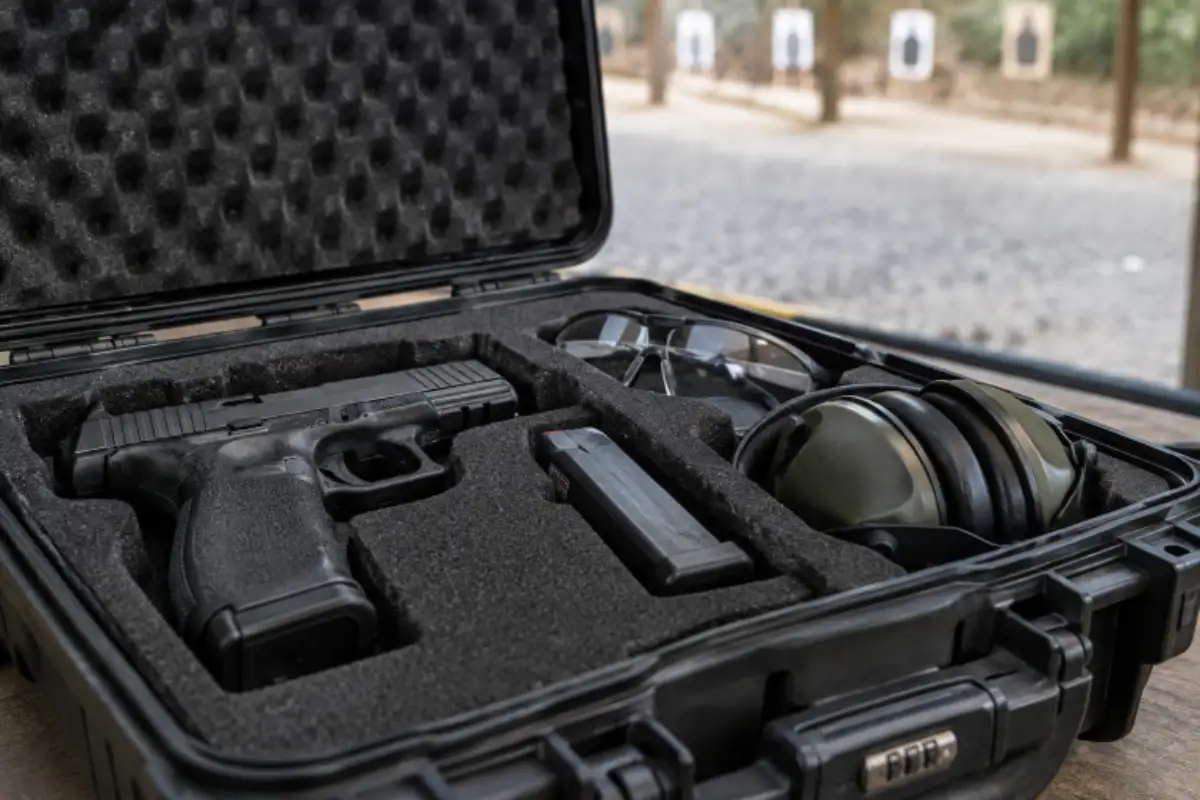
Choosing a firearm is a serious decision that should begin with safety, lawful ownership, and a realistic understanding of ongoing responsibilities. In North Carolina, a thoughtful approach can help prospective owners avoid impulse decisions and focus on fit, training, storage, and the rules that apply to their situation.
People comparing guns should look beyond appearance, popularity, or a single feature. The best option for one person’s target practice, hunting plans, or home may not be appropriate for another person, especially when experience level, physical comfort, household circumstances, and secure storage needs differ.
North Carolina’s mix of rural land, growing cities, wooded hunting areas, and busy travel corridors means that ownership decisions often involve more than one setting. Consider where the firearm will be stored, whether it will ever be transported, and who may be present in the home or vehicle.
It is also wise to separate learning from buying. Reading reliable materials, handling unloaded examples under supervision, and asking a qualified instructor about safe operation can provide a clearer starting point than making a quick choice based solely on online opinions.
Before committing to regular practice, identify a supervised range environment where rules, safety expectations, and instruction are taken seriously. Regular exposure to structured safety practices helps new owners build habits that remain important long after an initial purchase.
Start With the Intended Purpose
Begin by defining the lawful purpose the firearm is expected to serve. Common reasons include target practice, hunting, organized shooting sports, home protection, or lawful carry. That purpose affects the size, weight, capacity, sighting system, storage approach, and training needed. A firearm that feels suitable for a controlled range session may not meet the needs of a hunting trip or be practical for another intended use.
Be specific about how often it will be used and under what conditions. Someone interested in occasional target practice may value manageable recoil and simple controls, while a hunter may need to consider local game regulations, field conditions, and safe transportation. Clear expectations make comparison more useful and reduce the temptation to treat one design as ideal for every role.
Compare Common Firearm Types
Understanding broad categories can help a buyer ask better questions without turning the process into a brand comparison.
- Handguns are generally compact, but safe, consistent handling requires practice with grip, sight alignment, recoil management, and trigger discipline.
- Rifles are typically supported against the shoulder and may offer a longer sight radius, but they require adequate storage space and careful transport planning.
- Shotguns are used in several shooting sports and hunting contexts. Fit, loading method, recoil, and ammunition selection deserve close attention.
- Rimfire firearms often produce less recoil than many centerfire options and can be useful for foundational practice, depending on the specific design and intended activity.
Check Fit, Weight, and Controls
A firearm should fit the user’s hands, reach, strength, vision, and stance. Excessive weight can make handling and transport more difficult, while a very lightweight design may feel less manageable during firing. Whenever possible, examine an unloaded firearm under the supervision of a knowledgeable person before deciding.
A Quick Fit Check
- Can the user reach the relevant controls without changing the grip to an unsafe position?
- Can the user maintain a stable, comfortable hold?
- Can the user see the sights clearly from a natural shooting position?
- Can the user follow the owner’s manual for loading, unloading, and storage?
Budget Beyond the Purchase Price
Responsible ownership includes costs that continue after the initial transaction. A practical budget should account for instruction, secure storage, eye and ear protection, practice ammunition, cleaning supplies, range fees, and routine service. Some owners may also encounter applicable transfer, permit, or administrative costs. Setting aside money for safety equipment and training before buying helps ensure that the firearm is not brought home without a complete ownership plan.
Plan Training Before Regular Use
Reading the owner’s manual is essential, but it is not a substitute for supervised instruction. An introductory class can cover fundamental safety rules, safe loading and unloading practices, stance, sight use, trigger discipline, range etiquette, and appropriate responses to a malfunction. Refresher training is valuable after a long break from practice or when a person switches to an unfamiliar type of firearm.
Create a Safe Storage Plan
Safe storage should prevent access by children, visitors, unauthorized users, and anyone who should not handle the firearm. Depending on the household and intended use, options may include a locked case, lock box, full-size safe, or an appropriate locking device. Control over keys, combinations, and backup access methods matters as much as the storage container itself.
- Treat every firearm as if it is loaded.
- Keep the muzzle pointed in a safe direction.
- Keep a finger outside the trigger guard until ready to fire.
- Know the target and what is beyond it.
- Secure firearms when they are not in use.
Use Compatible Ammunition and Maintain the Firearm
Ammunition must match the manufacturer’s markings and specifications for the firearm. Do not identify ammunition by appearance alone. Inspect ammunition and equipment for obvious damage, corrosion, or unusual wear, and follow the owner’s manual for cleaning and lubrication. Repairs, modifications, or problems that are unclear should be handled by a qualified gunsmith or other appropriate professional rather than guessed at.
Review Current North Carolina Laws and Transfer Rules
Firearm rules can include federal, state, and local requirements governing possession, purchase, transfer, transport, storage, and carry. Requirements may differ for residents, visitors, private transfers, dealer transactions, and interstate travel. People considering concealed carry should review North Carolina’s current concealed handgun reciprocity information rather than relying on an old map or social media post.
Interstate travel requires additional care because the laws of every state on the route may matter. The Bureau of Alcohol, Tobacco, Firearms and Explosives provides answers on firearm transfers and transportation to help people identify questions to research before crossing state lines. Legal information is not a substitute for advice from a qualified attorney when a person has a specific legal concern.
Common Questions From New Owners
What should a first-time buyer consider first?
Start with intended use, fit, safe handling, training, secure storage, compatible ammunition, and total cost of ownership. A purchase should follow a safety plan, not replace one.
Is the smallest firearm always the easiest to use?
No. A compact design may be easier to carry, but it can be harder to grip and control. Comfort, controllability, and supervised practice matter more than size alone.
What should happen if a firearm malfunctions?
Keep the muzzle in a safe direction, keep fingers away from the trigger, follow the manufacturer’s instructions, and seek qualified help when the issue is uncertain.
Final Checklist
- The intended purpose is clear.
- The firearm fits the user and can be operated safely.
- Training is scheduled or completed.
- Secure storage is ready before the firearm enters the home.
- Compatible ammunition has been identified.
- The full ownership budget is affordable.
- Current laws have been checked through reliable sources.
- A maintenance and practice plan is in place.
A careful decision is rarely based on appearance or impulse. For North Carolina owners, the strongest choice balances purpose, fit, instruction, storage, maintenance, cost, and ongoing legal responsibility.